🕌 Grand Mosque of Ngaoundéré
Cameroon
About This Sacred Site
The Grand Mosque of Ngaoundéré, founded in the 1830s, is the spiritual and cultural hub of Islam in this key city in Cameroon’s Adamawa Region. The mosque features traditional Sahelian architectural motifs combined with local design elements, serving as a central place of worship and community gathering. Its minaret and prayer halls cater to a diverse Muslim population and symbolize the historical spread of Islam in central Cameroon.
History & Origins
Established in the 1830s amidst the spread of Islam in the Adamawa Region, the Grand Mosque of Ngaoundere became central to the region’s Islamic identity. Ngaoundere’s strategic location as a trade and administrative center facilitated the mosque’s role in religious education and community leadership. Throughout its history, the mosque has witnessed periods of renovation and expansion to meet the needs of a growing Muslim population. It remains a vital institution for religious rites, Islamic learning, and cultural preservation in the region, reflecting the enduring legacy of Islam’s introduction and development in Cameroon’s central plateau.
Spiritual Significance
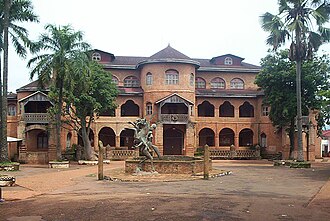
Located adjacent to the Lamido’s Palace, the mosque has been a spiritual hub for Fulani Muslims since the 1830s, coinciding with the establishment of the Lamidat of Ngaoundéré. The mosque hosts weekly Jumu'ah prayers that reinforce the Fulani’s adherence to Sunni Islam under the Maliki school, with sermons often delivered in Fulfulde, connecting religious practice to ethnic identity. The site is central to the celebration of Tabaski (Eid al-Adha), where communal prayers are followed by ritual animal sacrifice, reflecting the Prophet Ibrahim’s story as narrated in the Quran. Pilgrims from northern Cameroon and neighboring countries visit the mosque during Ramadan for Iftar gatherings that include recitations from the Quranic chapters Al-Baqarah and Al-Kahf. The mosque’s proximity to the traditional ruler’s palace symbolizes the blend of Islamic faith with indigenous governance, reinforcing the Fulani’s role in spreading Islam in the Adamawa region.
Key Facts
- •Located adjacent to the Lamido's Palace, seat of the traditional Fulani ruler
- •Ngaoundéré has been a center of Fulani Islamic culture since the 1800s
- •The city's name means 'navel mountain' in the Mbum language
- •The annual Fantasia celebration features elaborate horseback parades and prayers
- •Serves the large Muslim community of Cameroon's Adamawa Region
Location
Coordinates: 7.3167, 13.5833
Frequently Asked Questions
What religion is Grand Mosque of Ngaoundéré associated with?▾
Grand Mosque of Ngaoundéré is a Islam holy site located in Cameroon. It was established c. 1830s and is ranked #892 in our global directory of sacred sites.
When was Grand Mosque of Ngaoundéré established?▾
Grand Mosque of Ngaoundéré dates back to c. 1830s. Located adjacent to the Lamido's Palace, seat of the traditional Fulani ruler
How many people visit Grand Mosque of Ngaoundéré each year?▾
Grand Mosque of Ngaoundéré receives approximately 100,000+ visitors per year. Ngaoundéré has been a center of Fulani Islamic culture since the 1800s
What is Grand Mosque of Ngaoundéré known for?▾
The principal mosque of Ngaoundéré, capital of the Adamawa Region and a center of Fulani Islamic culture. Visitors come seeking pilgrimage, blessings, peace, guidance. The city's name means 'navel mountain' in the Mbum language
Related Holy Sites
Sacred places connected by country, religion, and purpose