
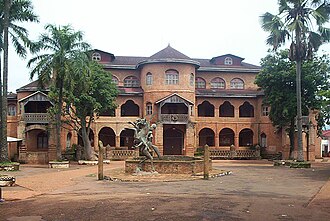
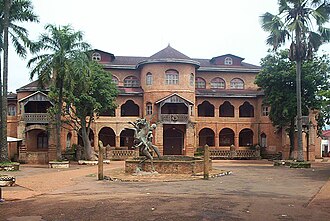
👑 Foumban Royal Palace
Cameroon
About This Sacred Site
The Foumban Royal Palace, established circa 1394 in Cameroon, serves as the enduring seat of the Bamoun Sultanate. This historic palace is a symbol of the Bamoun people's rich cultural heritage and political history. It was notably expanded and transformed by Sultan Njoya in the early 20th century, who introduced an innovative script and modern governance practices. The palace complex houses a museum preserving royal artifacts, traditional regalia, and Bamoun art, making it a vital cultural and spiritual center reflecting centuries of Bamoun sovereignty and artistic achievement.
History & Origins
Constructed around 1394, the Foumban Royal Palace in Cameroon was established by the Bamoun dynasty under Sultan Njoya's ancestors. Sultan Njoya, who ruled in the late 19th and early 20th centuries, significantly expanded the palace and invented the Bamoun alphabet circa 1896 to unify his people linguistically and culturally. The palace underwent renovations during the 20th century to preserve its traditional Bamoun architectural style characterized by intricate wood carvings and adobe walls. It served as the political and cultural center for the Bamoun kingdom through colonial and post-colonial periods. Today, the palace houses a museum with over 3,000 artifacts including royal regalia, traditional weapons, and historical documents, illustrating centuries of Bamoun heritage.
Spiritual Significance
The Bamoun people hold the Nguon festival every two years within the palace grounds, a ritual established by Sultan Njoya to honor ancestors and renew allegiance to the sultanate. This multi-faith site integrates traditional Bamoun beliefs with Islam and Christianity, reflecting the religious syncretism introduced during Sultan Njoya's reign. The palace museum preserves sacred objects used in rituals invoking the spirits of past rulers and deities tied to Bamoun cosmology. Pilgrims and locals engage in ceremonial dances, prayers, and offerings at the palace courtyard, guided by the Sultan's spiritual advisors who interpret the Bamoun oral scriptures and customs. The site remains a center for spiritual education linked to the Bamoun alphabet and royal genealogies.
Key Facts
- •Sultan Njoya invented the Bamoun alphabet in the late 19th century
- •The palace museum contains over 3,000 artifacts
- •The Bamoun people celebrate the Nguon festival here biennially
- •Sultan Njoya built a grand mosque adjacent to the palace
- •The palace has been the seat of 19 successive Bamoun rulers
Location
Coordinates: 5.7264, 10.8986
Frequently Asked Questions
What religion is Foumban Royal Palace associated with?▾
Foumban Royal Palace is a Multi-faith holy site located in Cameroon. It was established c. 1394 and is ranked #834 in our global directory of sacred sites.
When was Foumban Royal Palace established?▾
Foumban Royal Palace dates back to c. 1394. Sultan Njoya invented the Bamoun alphabet in the late 19th century
How many people visit Foumban Royal Palace each year?▾
Foumban Royal Palace receives approximately 30,000 visitors per year. The palace museum contains over 3,000 artifacts
What is Foumban Royal Palace known for?▾
The palace of the Bamoun kingdom blending Islamic and traditional African spirituality. Visitors come seeking ancestral connection, guidance, protection. The Bamoun people celebrate the Nguon festival here biennially
Related Holy Sites
Sacred places connected by country, religion, and purpose
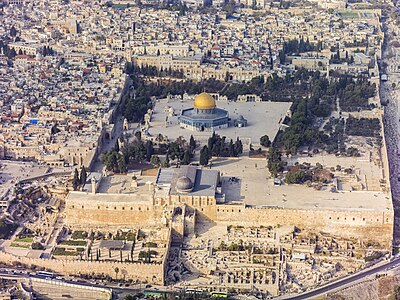
🕌Temple Mount / Al-Aqsa (Jerusalem)
Sacred to Judaism, Christianity, and Islam — the most contested holy site on Earth.
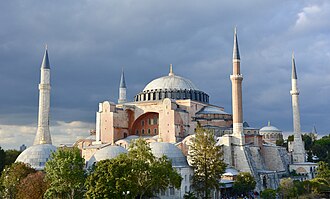
🏛️Hagia Sophia
A masterpiece that served as cathedral, mosque, and museum across centuries.
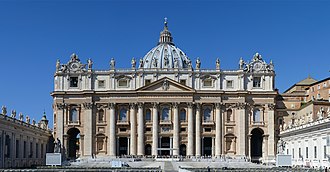
⛪Vatican City (St. Peter's Basilica)
The spiritual center of Roman Catholicism and home of the Pope.
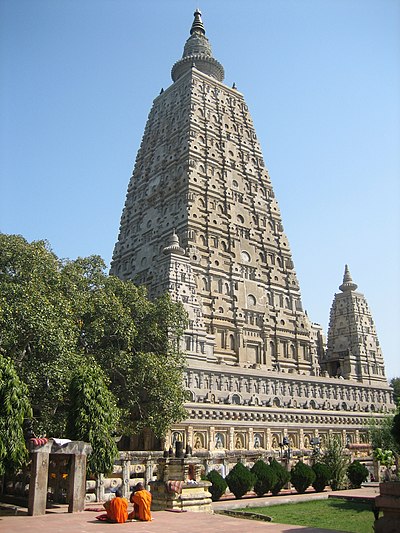
☸️Bodh Gaya (Mahabodhi Temple)
Where Siddhartha Gautama attained enlightenment and became the Buddha.

