⛰️ Goda Mountains Sacred Sites
Djibouti
About This Sacred Site
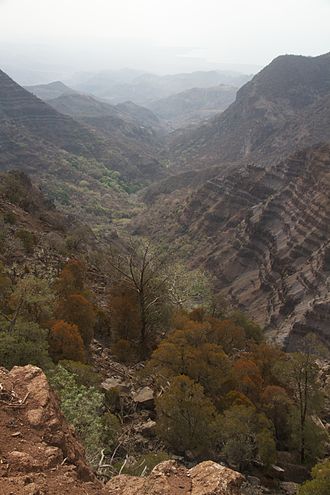
The Goda Mountains, including the Forêt du Day (Day Forest), represent Djibouti's most significant natural sacred landscape. Rising to 1,783 meters, these mountains harbor the country's only remnant of juniper forest, an ecosystem considered sacred by the Afar and Issa peoples. The forest is home to an endemic subspecies of francolin and other rare wildlife. Traditional beliefs associate the mountains with powerful spirits, and certain springs, groves, and rock formations serve as sites for traditional ceremonies. The mountains provide a cool, green refuge in one of the world's hottest countries.
History & Origins
The Goda Mountains in Djibouti, including the Forêt du Day, have been sacred to local Afar and other communities for thousands of years. These mountains reach up to 1,783 meters and are a biodiversity hotspot intertwined with cultural beliefs. Indigenous peoples consider the mountains a spiritual sanctuary, home to ancestral spirits and sites for rituals linked to fertility and protection. Historically, the Goda Mountains provided refuge during conflicts and droughts, reinforcing their sacred status. Conservation efforts in the 20th and 21st centuries have recognized both ecological and cultural values, leading to protected area designations that respect traditional custodianship while safeguarding unique flora and fauna.
Spiritual Significance
The Goda Mountains, encompassing Djibouti's highest peak Moussa Ali at 1,783 meters, hold profound spiritual significance for the Afar and Issa peoples who inhabit the region. The Forêt du Day, the country's sole remnant juniper forest within these mountains, is central to seasonal pilgrimage rituals where communities gather to perform libation ceremonies invoking protection and fertility. Traditional Afar oral histories describe the mountains as the dwelling place of ancestral spirits, with elders conducting prayers guided by sacred chants transmitted through generations. The annual Goda Festival coincides with the harvest cycle, featuring ritual dances and offerings to honor the mountain deities believed to safeguard the land and its people. Pilgrims often ascend to specific caves and shrines marked by ancient petroglyphs, believed to be sanctified by spiritual leaders who mediate between the human and spirit worlds. This site’s theological importance is rooted in indigenous cosmologies that integrate natural elements like the juniper trees and volcanic rocks as manifestations of divine presence.
Key Facts
- •Djibouti's highest point at 1,783 meters (Moussa Ali)
- •Contains the Forêt du Day, the country's only remnant juniper forest
- •Sacred to the Afar and Issa peoples
- •Home to the endemic Djibouti francolin bird species
- •Traditional ceremonies are held at specific springs and groves
Location
Coordinates: 11.7833, 42.6500
Frequently Asked Questions
What religion is Goda Mountains Sacred Sites associated with?▾
Goda Mountains Sacred Sites is a Indigenous holy site located in Djibouti. It was established Ancient and is ranked #1014 in our global directory of sacred sites.
When was Goda Mountains Sacred Sites established?▾
Goda Mountains Sacred Sites dates back to Ancient. Djibouti's highest point at 1,783 meters (Moussa Ali)
How many people visit Goda Mountains Sacred Sites each year?▾
Goda Mountains Sacred Sites receives approximately 5,000 visitors per year. Contains the Forêt du Day, the country's only remnant juniper forest
What is Goda Mountains Sacred Sites known for?▾
Sacred mountain forests in Djibouti harboring ancient spiritual traditions. Visitors come seeking healing, ancestral connection, meditation. Sacred to the Afar and Issa peoples
Related Holy Sites
Sacred places connected by country, religion, and purpose
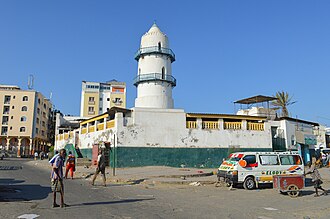
🕌Hamoudi Mosque Djibouti
The principal mosque of Djibouti City and a symbol of the nation's Islamic identity.
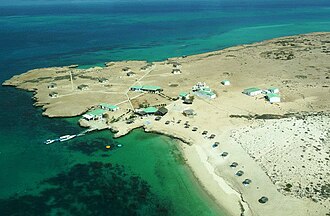
🏝️Moucha Island
A small coral island in the Gulf of Tadjoura with traditional spiritual associations.
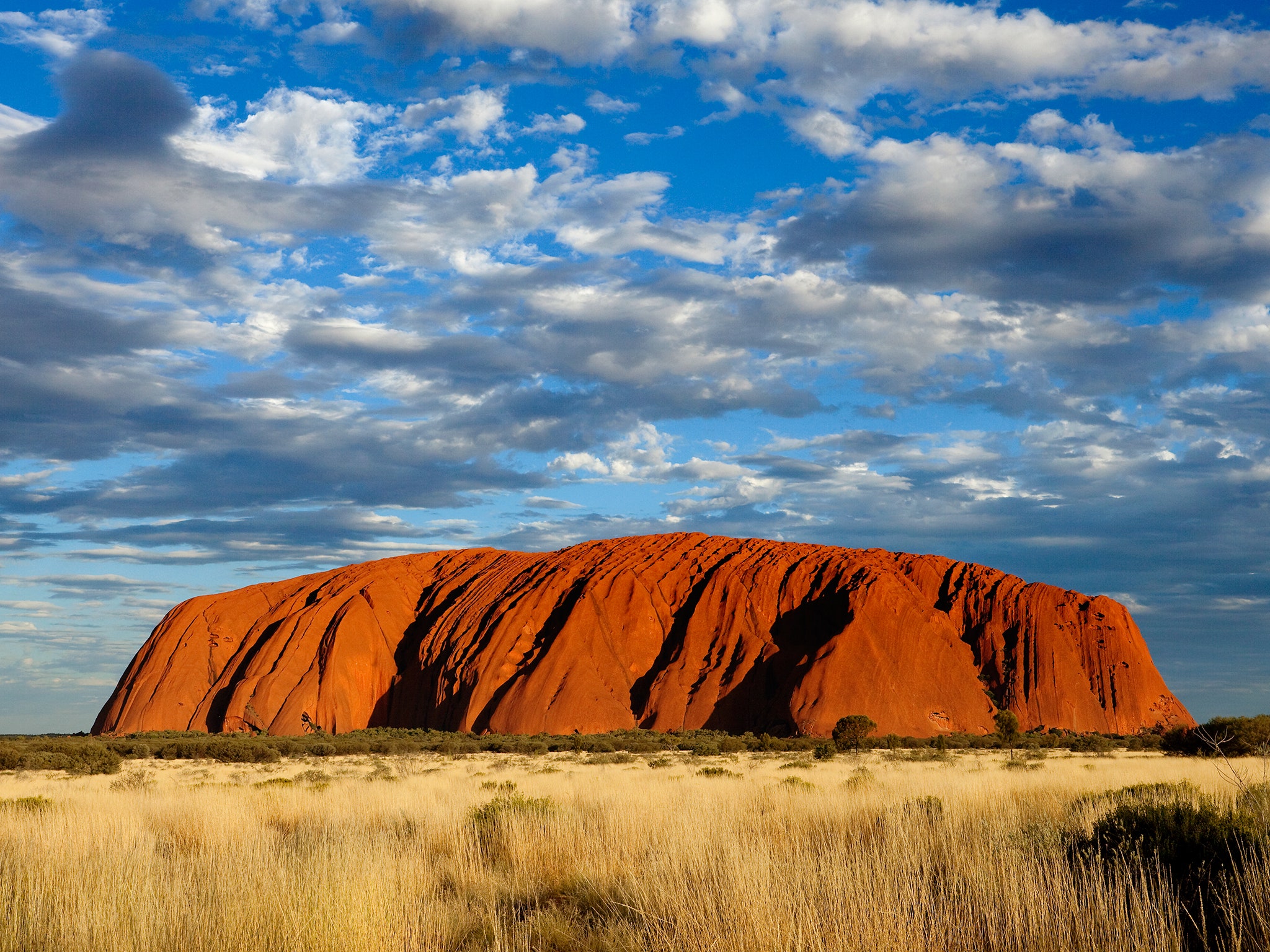
🪨Uluru (Ayers Rock)
A sacred monolith central to Aboriginal Australian creation stories.
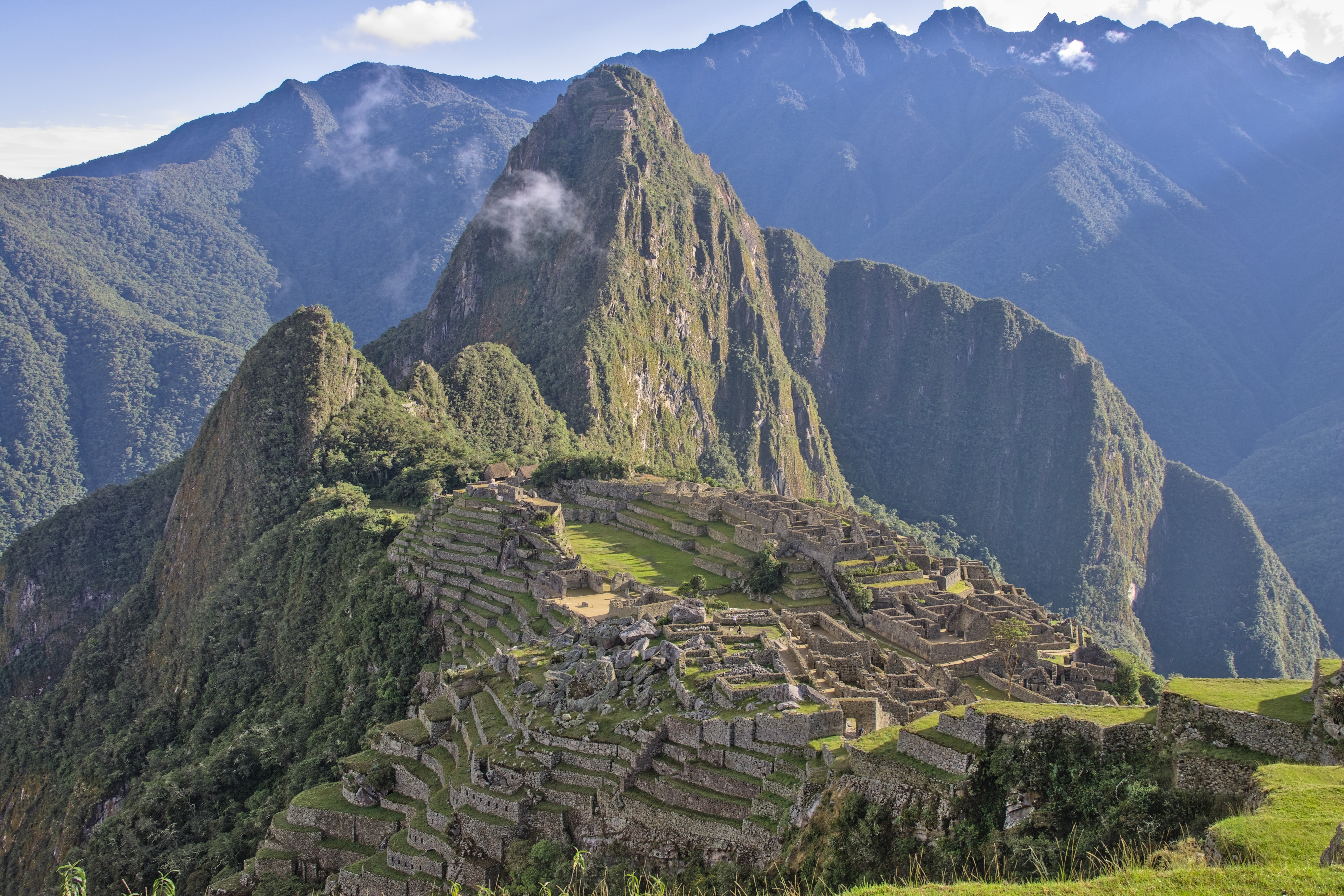
🏔️Machu Picchu
A sacred Inca citadel set high in the Andes, aligned with astronomical events.