🐘 Goa Gajah (Elephant Cave)
Indonesia
About This Sacred Site
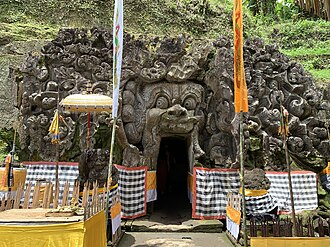
Goa Gajah, known as the Elephant Cave, is an archaeological site near Ubud dating to the 9th century that served as both a Hindu and Buddhist hermitage. The cave entrance features a fearsome carved face, through whose mouth visitors enter a T-shaped interior containing Hindu lingam-yoni symbols and a statue of the elephant-headed god Ganesha. Outside, bathing fountains featuring six female figures holding water spouts were only rediscovered in 1954. The site demonstrates the harmonious coexistence of Hindu and Buddhist traditions in ancient Bali.
History & Origins
Goa Gajah, also known as the Elephant Cave, dates back to the 9th century CE, constructed during the reign of the Warmadewa dynasty in Bali, Indonesia. The site was initially established as a hermitage used for meditation by Hindu and Buddhist monks, reflecting the syncretic religious atmosphere of the period. The cave's entrance is famously adorned with a fearsome carved demon face, believed to ward off evil spirits, carved in stone with intricate detail. Archaeological excavations revealed a lingam and yoni, symbolizing Shiva and Shakti, confirming its Hindu ritual use. Additionally, a statue inside the cave likely represents the Buddhist deity Ganesha, indicating the shared spiritual significance across faiths. Renovations in the 1950s helped preserve the structure, which is located near the Pakerisan River valley, an area known for its sacred springs. The site has been continuously revered and maintained by local Balinese communities, serving as a link to the island’s pre-Majapahit religious heritage.
Spiritual Significance
The site functions as a place of pilgrimage for both Hindu and Buddhist practitioners, emphasizing Bali's pluralistic religious culture. The demon face at the entrance symbolizes protection, integral to local beliefs about warding off negative energies during rituals. The presence of the lingam-yoni inside the cave connects worshippers to Shaivite traditions, with offerings often made during Odalan ceremonies, the temple anniversary occurring every 210 days according to the Pawukon calendar. The cave's location near holy springs supports ritual purification practices, where pilgrims bathe in the river to cleanse body and spirit. Local priests invoke mantras from Balinese Hindu scriptures, such as the Usana Bali, during temple ceremonies. The syncretism exemplified here illustrates the coexistence of Buddhist and Hindu iconography, reflecting the teachings of the Sang Hyang Widhi Wasa and the reverence for cosmic balance in Balinese spirituality.
Key Facts
- •Dating to the 9th century, it served as both a Hindu and Buddhist hermitage
- •The cave entrance features a fearsome carved demon face
- •Contains a lingam-yoni symbol and a statue of Ganesha inside the cave
- •The bathing fountains outside were only rediscovered in 1954
- •The name 'Elephant Cave' may refer to the nearby Petanu River, once called Lwa Gajah
Location
Coordinates: -8.5243, 115.2872
Frequently Asked Questions
What religion is Goa Gajah (Elephant Cave) associated with?▾
Goa Gajah (Elephant Cave) is a Multi-faith holy site located in Indonesia. It was established c. 9th century CE and is ranked #275 in our global directory of sacred sites.
When was Goa Gajah (Elephant Cave) established?▾
Goa Gajah (Elephant Cave) dates back to c. 9th century CE. Dating to the 9th century, it served as both a Hindu and Buddhist hermitage
How many people visit Goa Gajah (Elephant Cave) each year?▾
Goa Gajah (Elephant Cave) receives approximately 500,000+ visitors per year. The cave entrance features a fearsome carved demon face
What is Goa Gajah (Elephant Cave) known for?▾
An ancient cave temple near Ubud with a fearsome carved entrance and bathing pools. Visitors come seeking meditation, purification, spiritual enlightenment, healing. Contains a lingam-yoni symbol and a statue of Ganesha inside the cave
Related Holy Sites
Sacred places connected by country, religion, and purpose
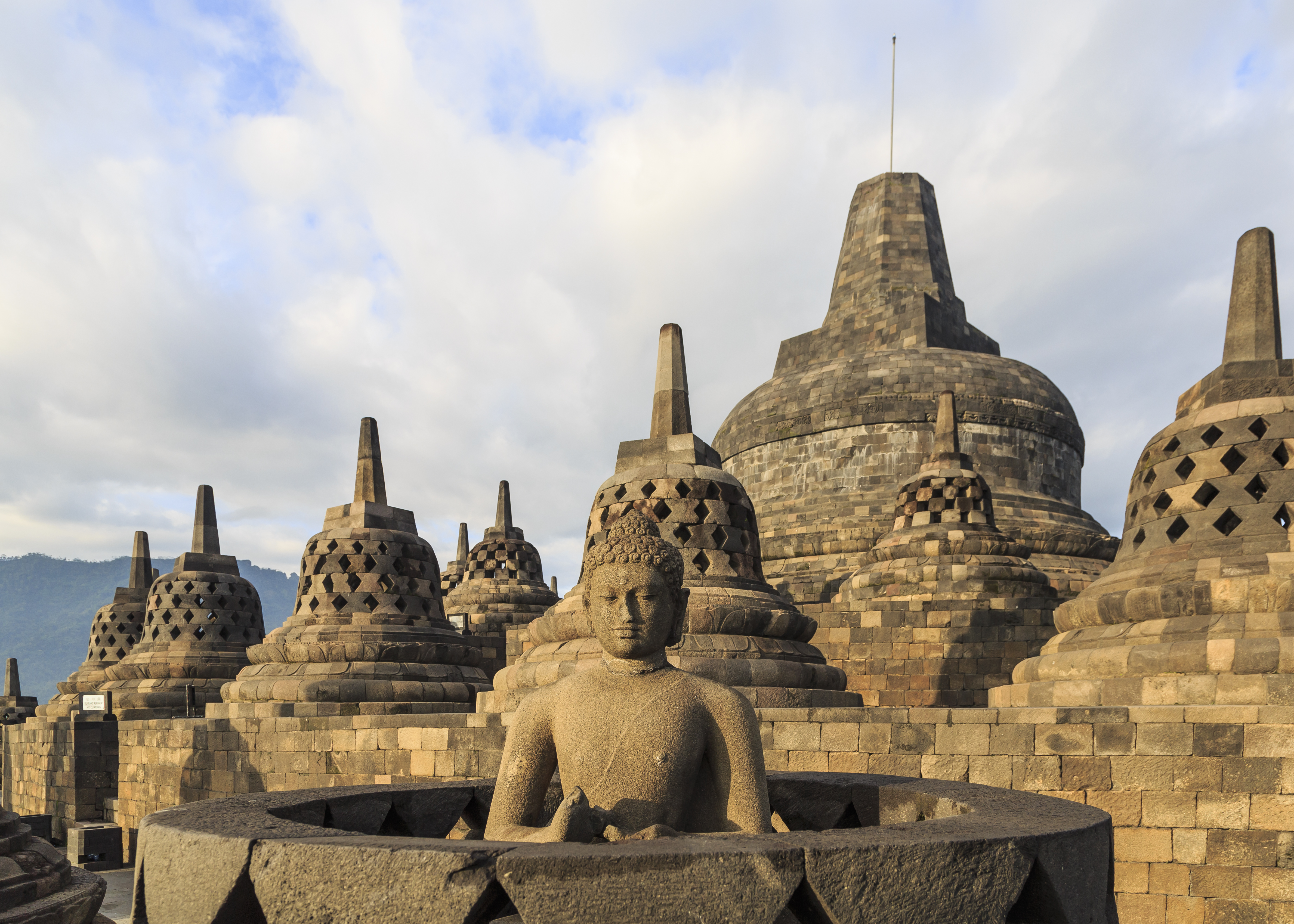
🪷Borobudur
The world's largest Buddhist temple, with 2,672 relief panels.
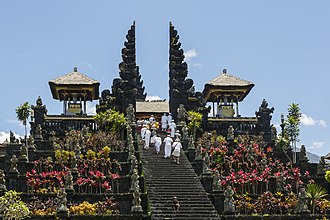
🏔️Pura Besakih (Mother Temple of Bali)
The holiest and largest Hindu temple complex in Bali, on the slopes of Mount Agung.
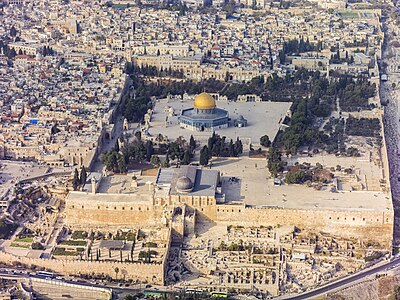
🕌Temple Mount / Al-Aqsa (Jerusalem)
Sacred to Judaism, Christianity, and Islam — the most contested holy site on Earth.
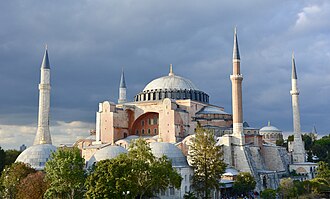
🏛️Hagia Sophia
A masterpiece that served as cathedral, mosque, and museum across centuries.