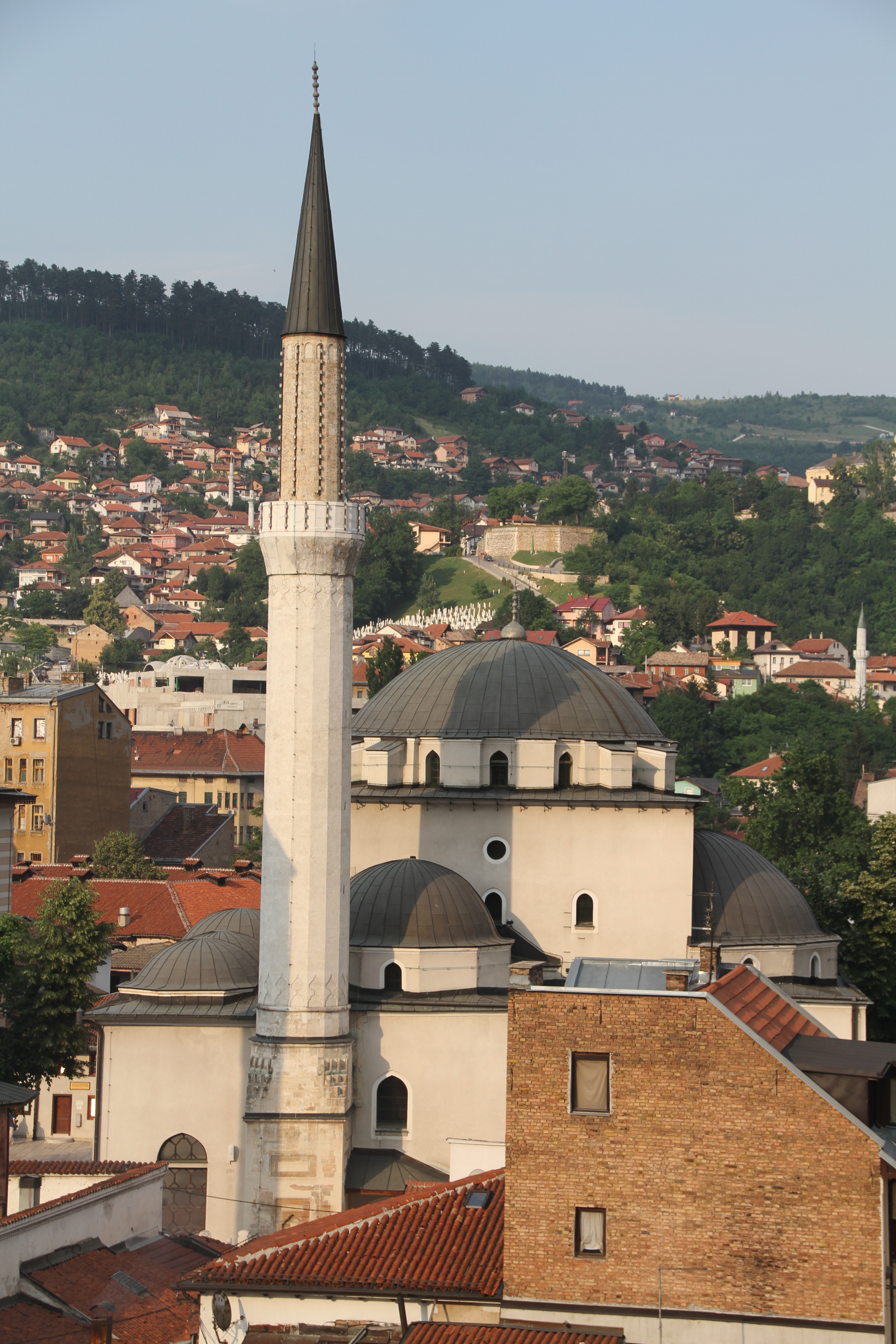
🕌 Gazi Husrev-beg Mosque Sarajevo
Bosnia and Herzegovina
About This Sacred Site
The Gazi Husrev-beg Mosque, completed in 1531, stands as the largest and most significant Ottoman-era mosque in Bosnia and Herzegovina. Commissioned by the Ottoman governor Gazi Husrev-beg and designed by architect Acem, it exemplifies classical Ottoman architecture with its prominent dome and slender minaret. Located in Sarajevo's historic core, the mosque remains a pivotal center for Islamic worship and cultural heritage, featuring intricate calligraphy, a spacious courtyard, and an adjoining madrasa that has educated generations in Islamic sciences.
Spiritual Significance
Established in 1531 by Gazi Husrev-beg, the Ottoman governor of Bosnia, this mosque is central to Sarajevo's Islamic worship and education. It follows the Hanafi school of Sunni Islam, hosting five daily prayers and the Jum'ah congregational prayer every Friday, attracting worshippers from across Bosnia and Herzegovina. The mosque's madrasa historically taught Islamic jurisprudence based on the Quran and Hadith, emphasizing the teachings of Imam Abu Hanifa. During Ramadan, the mosque organizes nightly Taraweeh prayers and communal Iftar meals, continuing centuries-old Ottoman traditions. It also serves as a gathering place for Eid al-Fitr and Eid al-Adha celebrations, where the khutbah (sermon) references classical Islamic texts and Bosnian Islamic scholarship. The mosque's role in the Mevlid ceremony commemorates the Prophet Muhammad's birth, reflecting the Sufi influences present in Bosnian Islam. Pilgrims often visit to perform dhikr, invoking the names of Allah in accordance with local Bosnian practices, linking the mosque’s spiritual life with its historic Ottoman architectural heritage.
Key Facts
- •Built in 1531 by the renowned Ottoman architect Acem Esir Ali
- •Named after Gazi Husrev-beg, the Ottoman governor of Bosnia
- •The first mosque in the world to receive electric lighting in 1898
- •Damaged during the 1992-1995 Siege of Sarajevo and subsequently restored
- •The clock tower (sahat-kula) beside it is the only public clock keeping lunar time
Location
Coordinates: 43.8598, 18.4313
Frequently Asked Questions
What religion is Gazi Husrev-beg Mosque Sarajevo associated with?▾
Gazi Husrev-beg Mosque Sarajevo is a Islam holy site located in Bosnia and Herzegovina. It was established 1531 and is ranked #518 in our global directory of sacred sites.
When was Gazi Husrev-beg Mosque Sarajevo established?▾
Gazi Husrev-beg Mosque Sarajevo dates back to 1531. Built in 1531 by the renowned Ottoman architect Acem Esir Ali
How many people visit Gazi Husrev-beg Mosque Sarajevo each year?▾
Gazi Husrev-beg Mosque Sarajevo receives approximately 500,000 visitors per year. Named after Gazi Husrev-beg, the Ottoman governor of Bosnia
What is Gazi Husrev-beg Mosque Sarajevo known for?▾
The principal mosque of Sarajevo and one of the finest examples of Ottoman architecture in the Balkans. Visitors come seeking pilgrimage, peace, spiritual enlightenment. The first mosque in the world to receive electric lighting in 1898
Related Holy Sites
Sacred places connected by country, religion, and purpose

🌉Mostar Old Bridge Area
The iconic Ottoman bridge and surrounding sacred sites symbolizing interfaith coexistence.
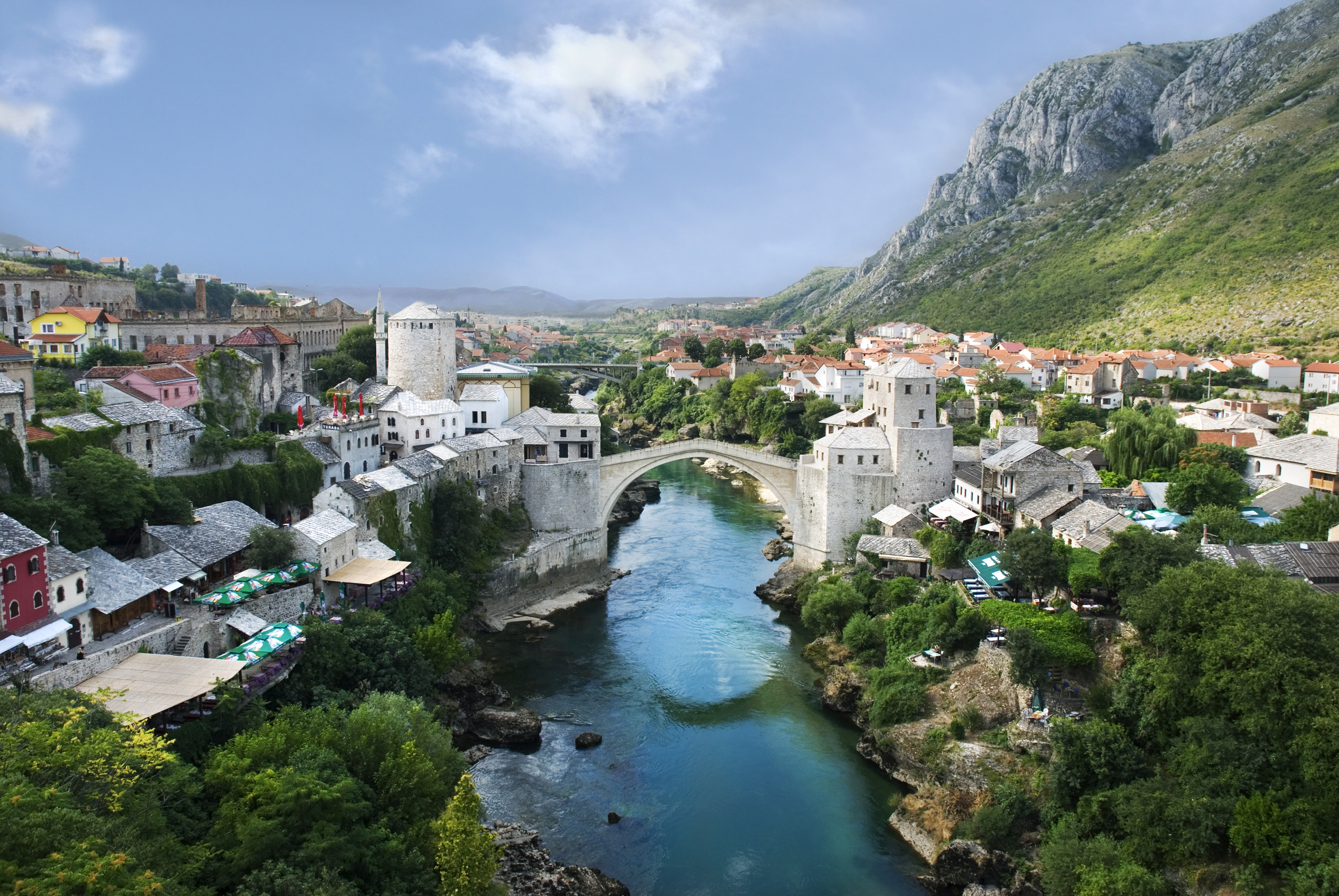
🌉Mostar Old Bridge Area
The iconic Stari Most bridge and surrounding historic area where mosques and churches stand side by side.