
🎨 Gabarnmung Rock Shelter
Australia
About This Sacred Site
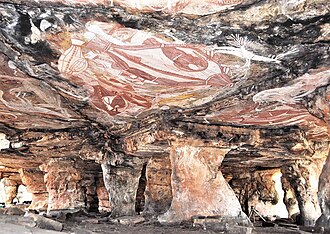
Gabarnmung is an extraordinary rock shelter in southwestern Arnhem Land, Northern Territory, containing some of the oldest and most significant rock art in Australia. The shelter's ceiling is adorned with vivid paintings spanning at least 28,000 years, though some evidence suggests human use stretching back 45,000 years. What makes Gabarnmung unique is that ancient people deliberately shaped the space by removing stone pillars, creating a cathedral-like chamber with a painted ceiling that archaeologist Ben Gunn described as the 'Sistine Chapel of rock art.' The paintings include dynamic human figures, animals, spirit beings, and scenes of daily life. Access is strictly controlled by the Jawoyn traditional owners, who are the custodians of this sacred knowledge.
History & Origins
Gabarnmung Rock Shelter, estimated to be 28,000 to possibly 45,000 years old, is located in the Arnhem Land region of Australia and is renowned for its extensive rock art and archaeological significance. The shelter was engineered by ancient Indigenous peoples who removed sandstone slabs to create a ventilated living space, demonstrating advanced understanding of their environment. Significant excavations led by archaeologists in the early 2000s revealed stone tools, ochre, and ancient charcoal, confirming continuous habitation dating back tens of thousands of years. The site has been described as the 'Sistine Chapel of rock art' due to its rich panels depicting ancestral beings, animals, and ceremonial motifs, some of which are unique to the region. Conservation efforts began in the 21st century to protect the fragile rock art from weathering, and the site remains under the custodianship of Indigenous communities who maintain its cultural narratives. Gabarnmung's layered history offers unparalleled insight into the development of human culture in Australia over millennia.
Spiritual Significance
Gabarnmung Rock Shelter is a sacred site deeply embedded in the spiritual life of the local Indigenous peoples, who view the rock art as visual manifestations of ancestral Dreaming stories dating back at least 28,000 years. The shelter is a location for rituals that honor the spirits of ancestors, with ceremonies traditionally conducted to invoke protection and guide young initiates in understanding their cultural heritage. The imagery on the rock walls serves as a spiritual map, connecting present-day custodians to the ancient creators and their laws, which govern social behavior and environmental stewardship. Pilgrimages to Gabarnmung often coincide with seasonal cycles, reinforcing the link between land, sky, and community wellbeing. Indigenous elders interpret the rock art as sacred scripture, passing down knowledge through oral traditions that emphasize respect for the land and continuity of life. The site is also a focal point for cultural revival programs, where spiritual leaders teach younger generations the importance of maintaining the ancestral connection through song, dance, and storytelling.
Key Facts
- •Contains rock art dating back at least 28,000 years, possibly 45,000
- •Described by archaeologists as a 'Sistine Chapel of rock art'
- •Ancient people engineered the space by removing stone pillars to enlarge the chamber
- •Access is strictly controlled by the Jawoyn traditional owners
- •The painted ceiling features vivid layers of art accumulated over millennia
Location
Coordinates: -13.8833, 132.8833
Frequently Asked Questions
What religion is Gabarnmung Rock Shelter associated with?▾
Gabarnmung Rock Shelter is a Indigenous holy site located in Australia. It was established c. 28,000+ years ago and is ranked #1021 in our global directory of sacred sites.
When was Gabarnmung Rock Shelter established?▾
Gabarnmung Rock Shelter dates back to c. 28,000+ years ago. Contains rock art dating back at least 28,000 years, possibly 45,000
How many people visit Gabarnmung Rock Shelter each year?▾
Gabarnmung Rock Shelter receives approximately 500 (strictly limited by traditional owners) visitors per year. Described by archaeologists as a 'Sistine Chapel of rock art'
What is Gabarnmung Rock Shelter known for?▾
A 'gallery of the ancients' in Arnhem Land with rock art dating back at least 28,000 years. Visitors come seeking ancestral connection, spiritual enlightenment, guidance, meditation. Ancient people engineered the space by removing stone pillars to enlarge the chamber
Related Holy Sites
Sacred places connected by country, religion, and purpose
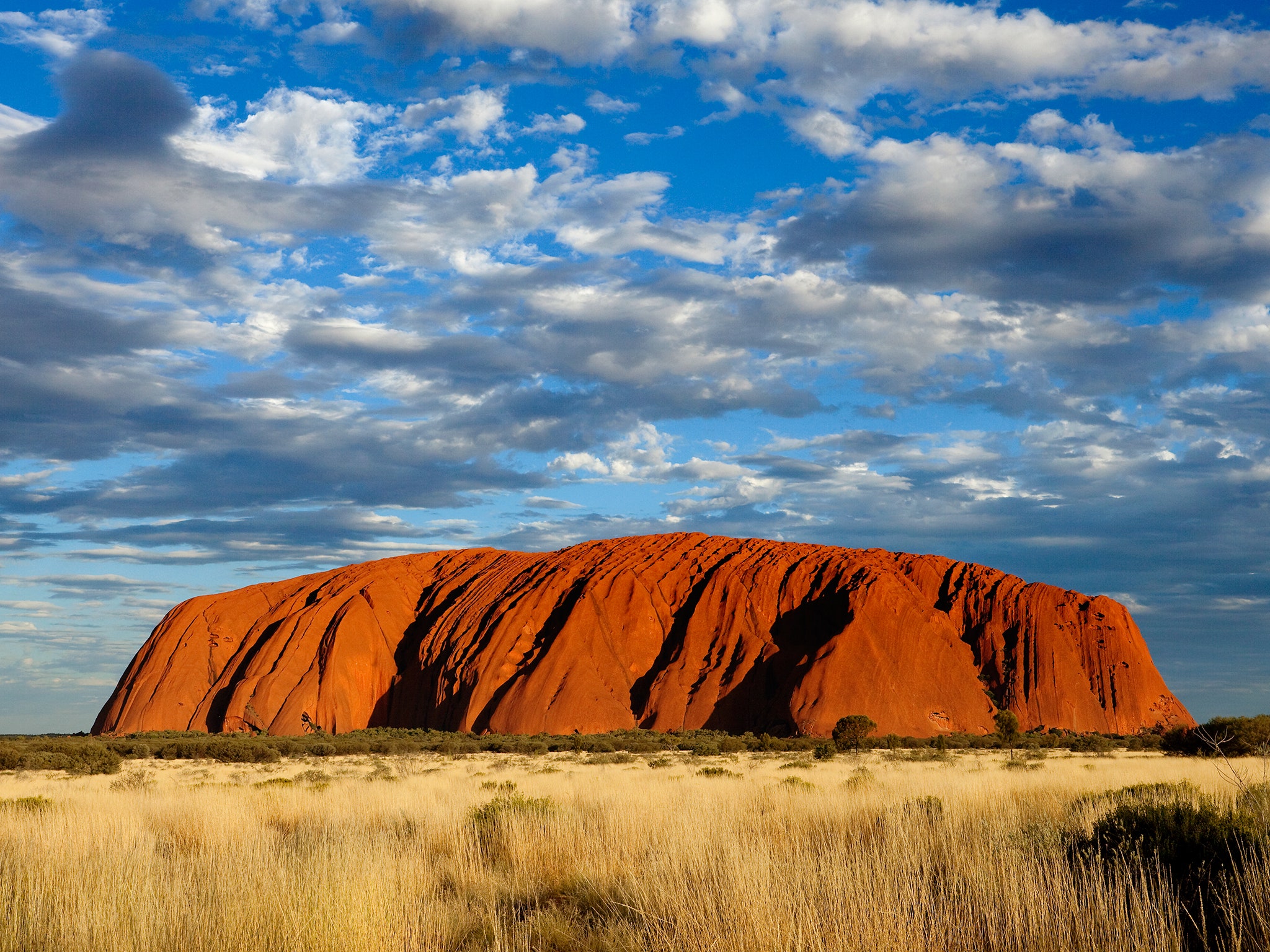
🪨Uluru (Ayers Rock)
A sacred monolith central to Aboriginal Australian creation stories.
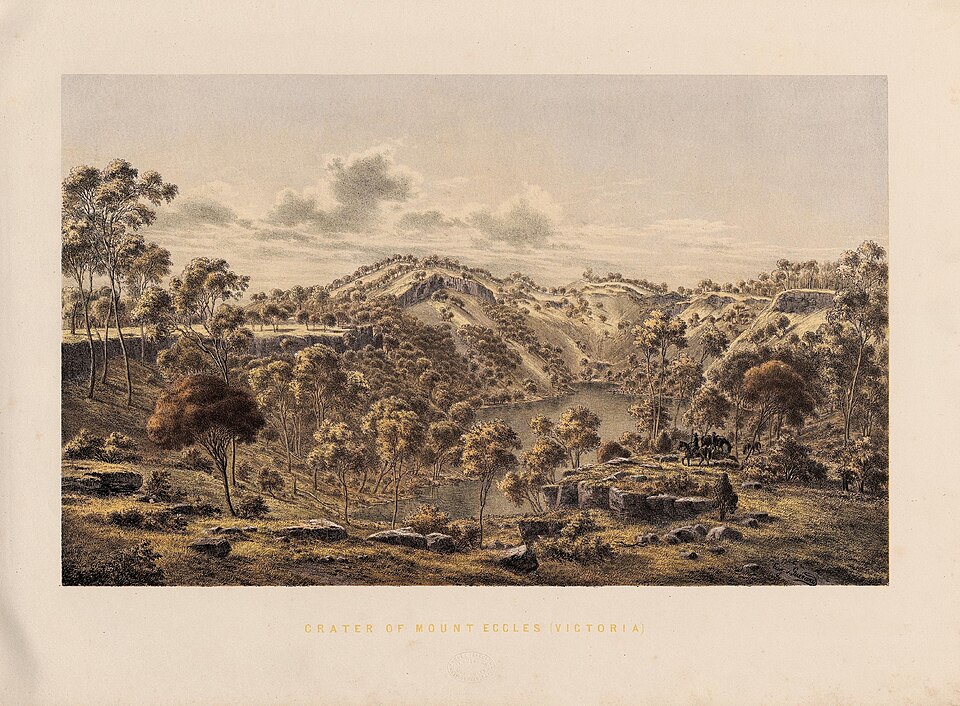
🌋Budj Bim Cultural Landscape
A 6,600-year-old Aboriginal aquaculture system, older than the Egyptian pyramids.
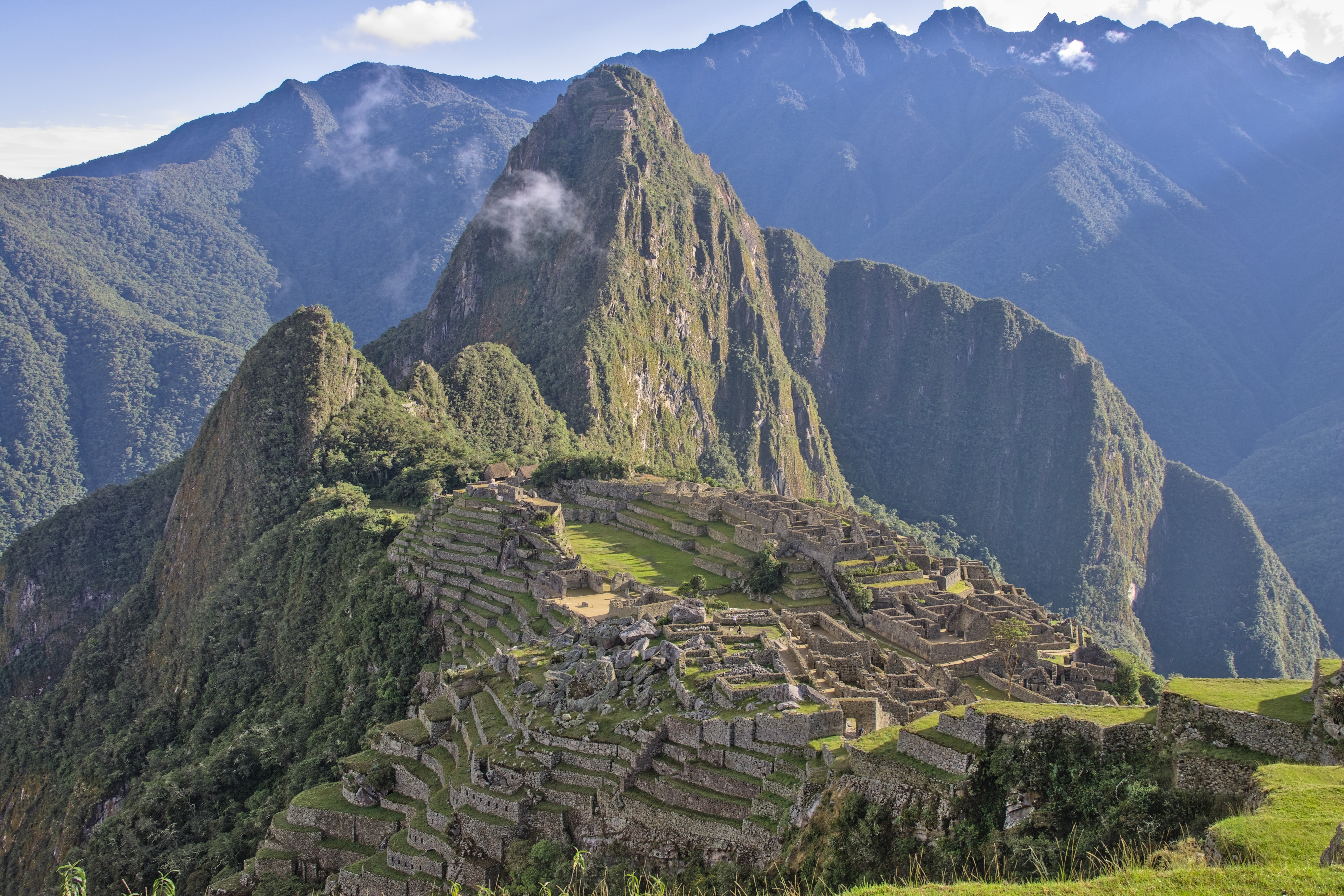
🏔️Machu Picchu
A sacred Inca citadel set high in the Andes, aligned with astronomical events.

⛪Vatican City (St. Peter's Basilica)
The spiritual center of Roman Catholicism and home of the Pope.
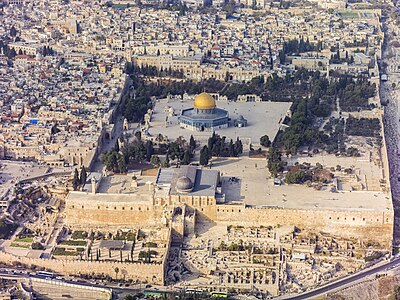
🕌Temple Mount / Al-Aqsa (Jerusalem)
Sacred to Judaism, Christianity, and Islam — the most contested holy site on Earth.

