

☸️ Fo Guang Shan (Kaohsiung)
Taiwan
About This Sacred Site
Fo Guang Shan, located near Kaohsiung, Taiwan, is one of the largest Buddhist monasteries in the world and the headquarters of the Fo Guang Shan Buddhist Order. Founded in 1967 by Venerable Master Hsing Yun, it promotes Humanistic Buddhism, emphasizing social engagement, education, and cultural activities. The sprawling complex includes grand temples, a university, a museum, and monastic residences, drawing millions of visitors annually. Its architecture combines traditional Chinese styles with modern elements, symbolizing the integration of Buddhist practice with contemporary life.
Spiritual Significance
Established in 1967 by Venerable Master Hsing Yun, Fo Guang Shan is a leading center of Humanistic Buddhism, emphasizing the application of Buddhist principles in daily life. The complex hosts the annual Buddha's Birthday Festival, attracting thousands who participate in bathing the Buddha statue, a ritual symbolizing purification and renewal. The 36-meter seated bronze Buddha housed in the Fo Guang Shan Buddha Museum is an iconic pilgrimage destination, representing Shakyamuni Buddha's enlightenment and compassion. The organization promotes the study and recitation of the Mahayana sutras, including the Avatamsaka Sutra, reflecting its doctrinal focus on interdependence and enlightenment. The monastery actively engages in educational and charitable activities, extending Buddhist teachings beyond ritual to social engagement, consistent with Master Hsing Yun's vision of integrating spirituality with modern life. Pilgrims often undertake meditation retreats and attend Dharma lectures led by resident monks, deepening their understanding of Buddhist philosophy.
Key Facts
- •Founded by Venerable Master Hsing Yun in 1967
- •The Fo Guang Shan Buddha Museum features a 36-meter seated bronze Buddha
- •One of the largest Buddhist organizations in the world with branches in over 50 countries
- •Practices Humanistic Buddhism, applying Buddhist principles to daily life
- •The complex includes libraries, museums, universities, and meditation halls
Location
Coordinates: 22.7519, 120.4453
Frequently Asked Questions
What religion is Fo Guang Shan (Kaohsiung) associated with?▾
Fo Guang Shan (Kaohsiung) is a Buddhism holy site located in Taiwan. It was established 1967 and is ranked #396 in our global directory of sacred sites.
When was Fo Guang Shan (Kaohsiung) established?▾
Fo Guang Shan (Kaohsiung) dates back to 1967. Founded by Venerable Master Hsing Yun in 1967
How many people visit Fo Guang Shan (Kaohsiung) each year?▾
Fo Guang Shan (Kaohsiung) receives approximately 5+ million visitors per year. The Fo Guang Shan Buddha Museum features a 36-meter seated bronze Buddha
What is Fo Guang Shan (Kaohsiung) known for?▾
The headquarters of one of the largest Buddhist organizations in the world, with a 36-meter seated Buddha. Visitors come seeking spiritual enlightenment, meditation, peace, guidance. One of the largest Buddhist organizations in the world with branches in over 50 countries
Related Holy Sites
Sacred places connected by country, religion, and purpose
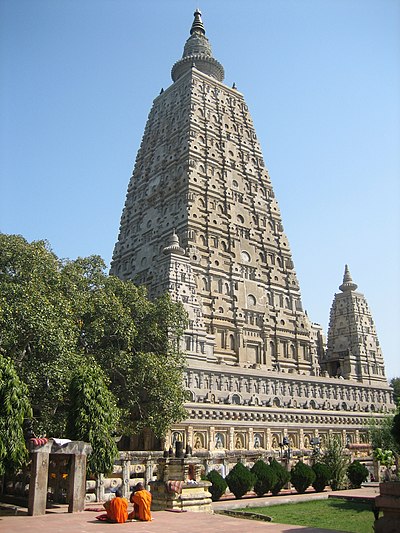
☸️Bodh Gaya (Mahabodhi Temple)
Where Siddhartha Gautama attained enlightenment and became the Buddha.
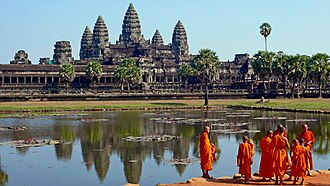
🛕Angkor Wat
The largest religious monument in the world, originally Hindu then Buddhist.
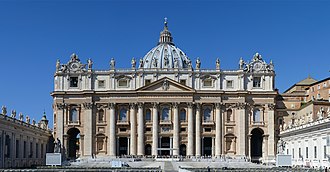
⛪Vatican City (St. Peter's Basilica)
The spiritual center of Roman Catholicism and home of the Pope.
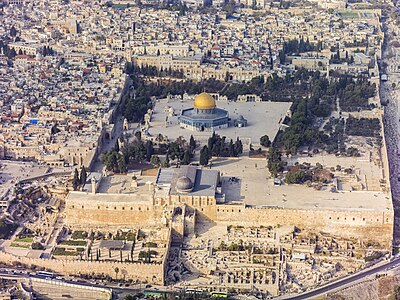
🕌Temple Mount / Al-Aqsa (Jerusalem)
Sacred to Judaism, Christianity, and Islam — the most contested holy site on Earth.

