🕌 Fatima Masumeh Shrine
Iran
About This Sacred Site
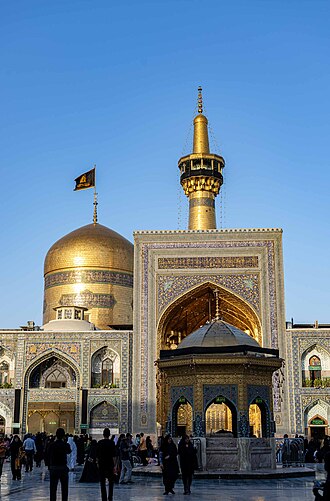
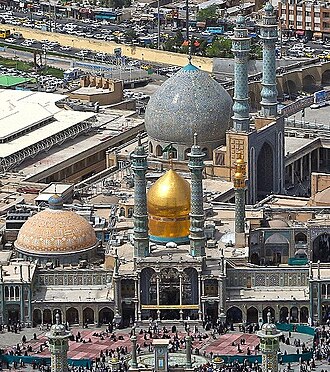
The Fatima Masumeh Shrine, situated in Qom, Iran, was established in 816 CE as the burial site of Fatimah bint Musa, sister of Imam Reza. The shrine complex features a golden dome gilded during the Qajar dynasty in the 19th century, which rises approximately 27 meters above the courtyard. The shrine's courtyard is surrounded by iwans adorned with intricate tile mosaics depicting floral and calligraphic motifs typical of Safavid and later Qajar architecture. Walls are embellished with Quranic inscriptions in Thuluth script, while the interior houses a silver-plated zarih (shrine enclosure) crafted in the 13th century. The mosque's minarets, added in the Safavid era, reach up to 35 meters and are decorated with blue and turquoise tiles. The complex includes multiple prayer halls and seminaries, reflecting Qom’s status as a theological hub.
History & Origins
Established in 816 CE following the burial of Fatimah Masumeh, the shrine quickly became a revered site for Shia Muslims. Over centuries, successive dynasties including the Safavids expanded the complex, adding domes, minarets, and decorative elements. The shrine played a pivotal role in cementing Qom’s status as a religious and educational hub. It has survived various conflicts and renovations, with modern expansions accommodating growing numbers of pilgrims. The Fatima Masumeh Shrine remains a symbol of spiritual significance and Shia identity in Iran.
Spiritual Significance
The shrine is a major pilgrimage site linked to the veneration of Fatimah bint Musa, revered as a pious exemplar and a member of the Ahl al-Bayt. Pilgrims perform ziyarat, reciting specific salutations and prayers from the ziyarat al-Shuhada texts, emphasizing her spiritual intercession. The shrine is the focal point for rituals during the month of Muharram and the birthday anniversaries of the Imams, attracting scholars and devotees who engage in Quranic recitations and religious lectures. Its location in Qom, the epicenter of Shia jurisprudence, enhances its theological importance, especially as Qom hosts the Hawza seminary where Fatimah Masumeh's legacy inspires seminarian studies. The golden dome symbolizes divine light in Shi’a iconography, and the shrine's custodianship has been historically linked to prominent clerical families, reinforcing its religious authority. The site’s spiritual practices include the distribution of blessed water from the shrine’s wells, believed to carry healing properties, rooted in Shia traditions.
Key Facts
- •Houses the tomb of Fatimah bint Musa, sister of Imam Reza
- •Qom is the most important center of Shia learning in Iran
- •The golden dome was gilded during the Qajar dynasty
- •Adjacent to some of the most important Shia seminaries
- •Women can enter certain areas that are restricted at other shrines
Location
Coordinates: 34.6356, 50.8800
Frequently Asked Questions
What religion is Fatima Masumeh Shrine associated with?▾
Fatima Masumeh Shrine is a Islam holy site located in Iran. It was established 816 CE and is ranked #251 in our global directory of sacred sites.
When was Fatima Masumeh Shrine established?▾
Fatima Masumeh Shrine dates back to 816 CE. Houses the tomb of Fatimah bint Musa, sister of Imam Reza
How many people visit Fatima Masumeh Shrine each year?▾
Fatima Masumeh Shrine receives approximately 15 million visitors per year. Qom is the most important center of Shia learning in Iran
What is Fatima Masumeh Shrine known for?▾
The tomb of Fatimah bint Musa in Qom, one of Iran's holiest Shia shrines. Visitors come seeking pilgrimage, healing, blessings, forgiveness. The golden dome was gilded during the Qajar dynasty
Related Holy Sites
Sacred places connected by country, religion, and purpose