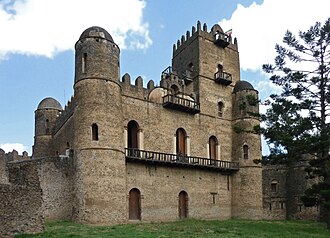
🏰 Fasil Ghebbi (Royal Enclosure of Gondar)
Ethiopia
About This Sacred Site
Fasil Ghebbi is the royal enclosure of the city of Gondar, which served as the capital of the Ethiopian Empire from the 17th to 19th centuries. Often called the 'Camelot of Africa,' the compound contains fairy-tale-like castles, palaces, and churches built by successive emperors. The most striking is the castle of Emperor Fasilides, which blends Ethiopian, Portuguese, Indian, and Moorish architectural influences. Nearby, the Debre Berhan Selassie Church (Trinity Church of the Mountain of Light) contains Ethiopia's most famous ceiling fresco — over 80 angel faces staring down from the wooden ceiling, an image that has become an icon of Ethiopian art.
History & Origins
Founded in 1636 by Emperor Fasilides, the Royal Enclosure was developed as the imperial residence and administrative center of the Ethiopian Empire. Successive emperors, including Iyasu I and Bakaffa, added to the complex, constructing six castles characterized by a blend of Nubian, Arab, and Baroque architectural influences. The site underwent renovations in the 17th and 18th centuries, reflecting the evolving imperial aesthetics and functions. Fasil Ghebbi was the seat of Ethiopian emperors until the late 18th century, witnessing key historical events such as the Gondarine period of political stability and religious consolidation. The enclosure was designated a UNESCO World Heritage Site in 1979, ensuring its preservation amidst Ethiopia's changing political landscape. Excavations have uncovered royal artifacts and inscriptions that detail imperial decrees and religious observances conducted within the enclosure.
Spiritual Significance
The complex served as the center for Ethiopian Orthodox Christian ceremonies linked to imperial authority, including the coronation rites of emperors based on the Kebra Nagast, which sanctifies the Solomonic dynasty. The chapels within the castles hosted the Timkat festival and other liturgical events involving the Ark of the Covenant replicas, emblematic of Ethiopia's Judaic-Christian heritage. Monastic clergy and imperial priests performed daily prayers and blessings invoking Saint George, Ethiopia's patron saint, whose iconography adorns several castles. The site maintained spiritual significance as a pilgrimage destination for Orthodox believers seeking imperial blessings and participating in annual religious festivals tied to the Ethiopian calendar. The architecture reflects theological symbolism, with fortress-like structures representing divine protection over the Christian empire.
Key Facts
- •Known as the 'Camelot of Africa' for its medieval castle-like structures
- •The royal enclosure contains six castles built by successive emperors
- •UNESCO World Heritage Site since 1979
- •Debre Berhan Selassie Church has Ethiopia's most famous painted ceiling of 80+ angel faces
- •Gondar was Ethiopia's capital from 1636 to the mid-19th century
Location
Coordinates: 12.6089, 37.4689
Frequently Asked Questions
What religion is Fasil Ghebbi (Royal Enclosure of Gondar) associated with?▾
Fasil Ghebbi (Royal Enclosure of Gondar) is a Christianity holy site located in Ethiopia. It was established 1636 and is ranked #496 in our global directory of sacred sites.
When was Fasil Ghebbi (Royal Enclosure of Gondar) established?▾
Fasil Ghebbi (Royal Enclosure of Gondar) dates back to 1636. Known as the 'Camelot of Africa' for its medieval castle-like structures
How many people visit Fasil Ghebbi (Royal Enclosure of Gondar) each year?▾
Fasil Ghebbi (Royal Enclosure of Gondar) receives approximately 150,000 visitors per year. The royal enclosure contains six castles built by successive emperors
What is Fasil Ghebbi (Royal Enclosure of Gondar) known for?▾
The 'Camelot of Africa' — a fortified royal city with castles and churches from Ethiopia's imperial era. Visitors come seeking pilgrimage, blessings, ancestral connection, guidance. UNESCO World Heritage Site since 1979
Related Holy Sites
Sacred places connected by country, religion, and purpose
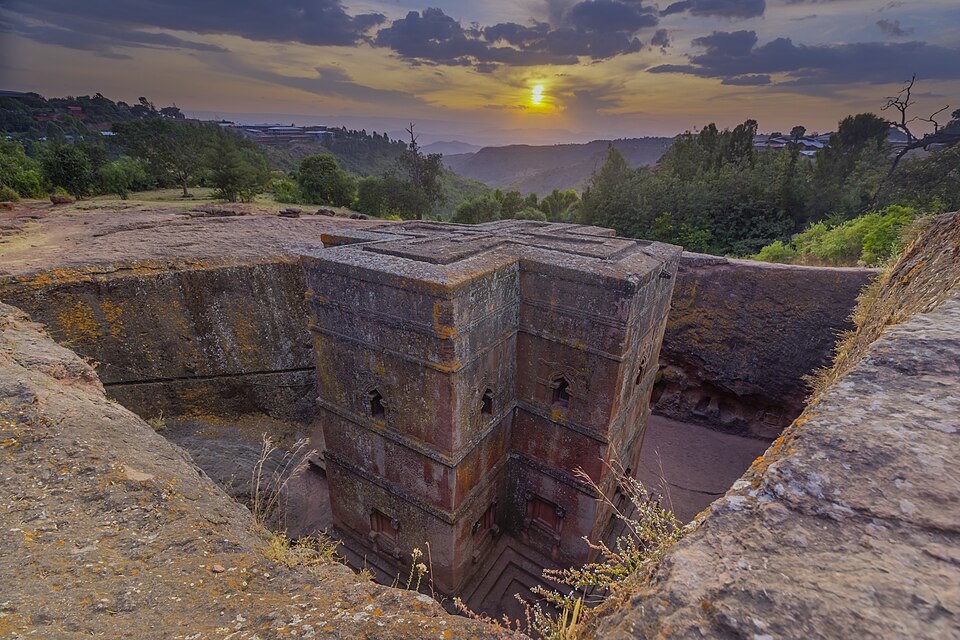
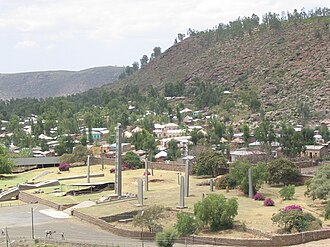
⛪Lalibela Rock-Hewn Churches
Eleven medieval churches carved entirely from living rock in Ethiopia.
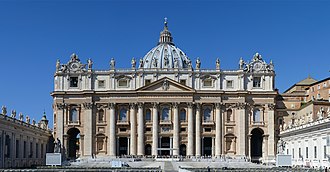
⛪Vatican City (St. Peter's Basilica)
The spiritual center of Roman Catholicism and home of the Pope.
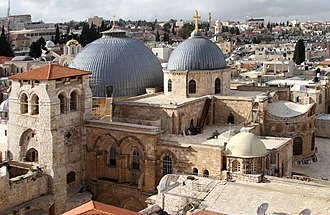
✝️Church of the Holy Sepulchre
The site where Jesus was crucified, buried, and resurrected.