⛪ Basilica of the Black Christ (Esquipulas)
Guatemala
About This Sacred Site
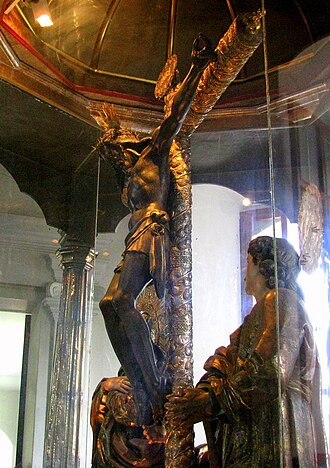
The Basilica of Esquipulas in eastern Guatemala is the most important pilgrimage destination in Central America. The church houses the Cristo Negro (Black Christ), a dark balsam-wood crucifix carved by Quirio Cataño in 1595. Millions of pilgrims from across Central America visit annually, especially in January for the festival of the Black Christ. The crucifix's dark color — attributed to centuries of candle smoke and the faithful's touch — has made it a powerful symbol of indigenous-Catholic devotion.
Spiritual Significance
The Basilica of the Black Christ in Esquipulas, constructed in 1758, houses a dark balsam wood crucifix carved by Quirio Cataño in 1595, which is central to one of Central America’s most important pilgrimage traditions. Each year, an estimated 4 million pilgrims visit, especially during the early January feast day on January 15, honoring the Black Christ’s reputed miracles and healing powers. The basilica serves as a focal point for Catholic devotion, including masses, novenas, and processions venerating this unique icon. Devotees participate in rituals such as touching or kissing the crucifix and lighting candles in petition or thanksgiving. The site is recognized by the Catholic Church as a major Marian and Christological shrine, reflecting deep theological significance tied to suffering and redemption. Its prominence makes it a unifying spiritual destination for diverse communities across Guatemala and neighboring countries.
Key Facts
- •The Black Christ crucifix was carved from dark balsam wood by Quirio Cataño in 1595
- •An estimated 4 million pilgrims visit annually, mostly in January
- •Central America's most important Catholic pilgrimage site
- •Pope John Paul II visited in 1996 and prayed before the Black Christ
- •The dark color of the crucifix is attributed to centuries of candle smoke and devotional contact
Location
Coordinates: 14.5603, -89.3511
Frequently Asked Questions
What religion is Basilica of the Black Christ (Esquipulas) associated with?▾
Basilica of the Black Christ (Esquipulas) is a Christianity holy site located in Guatemala. It was established 1595 (basilica 1758) and is ranked #502 in our global directory of sacred sites.
When was Basilica of the Black Christ (Esquipulas) established?▾
Basilica of the Black Christ (Esquipulas) dates back to 1595 (basilica 1758). The Black Christ crucifix was carved from dark balsam wood by Quirio Cataño in 1595
How many people visit Basilica of the Black Christ (Esquipulas) each year?▾
Basilica of the Black Christ (Esquipulas) receives approximately 4 million visitors per year. An estimated 4 million pilgrims visit annually, mostly in January
What is Basilica of the Black Christ (Esquipulas) known for?▾
Central America's most important pilgrimage site, housing a revered 16th-century dark-wood crucifix. Visitors come seeking healing, miracles, pilgrimage, blessings. Central America's most important Catholic pilgrimage site
Related Holy Sites
Sacred places connected by country, religion, and purpose
🏛️Tikal
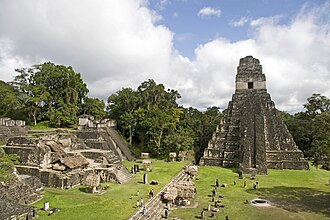
One of the greatest Maya cities, where towering pyramid-temples rise above the jungle canopy in northern Guatemala.
⛪Vatican City (St. Peter's Basilica)
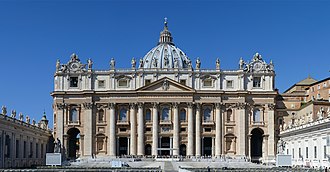
The spiritual center of Roman Catholicism and home of the Pope.
✝️Church of the Holy Sepulchre
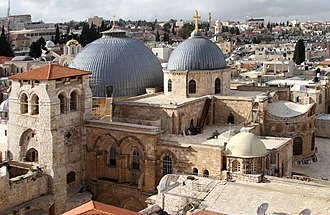
The site where Jesus was crucified, buried, and resurrected.