
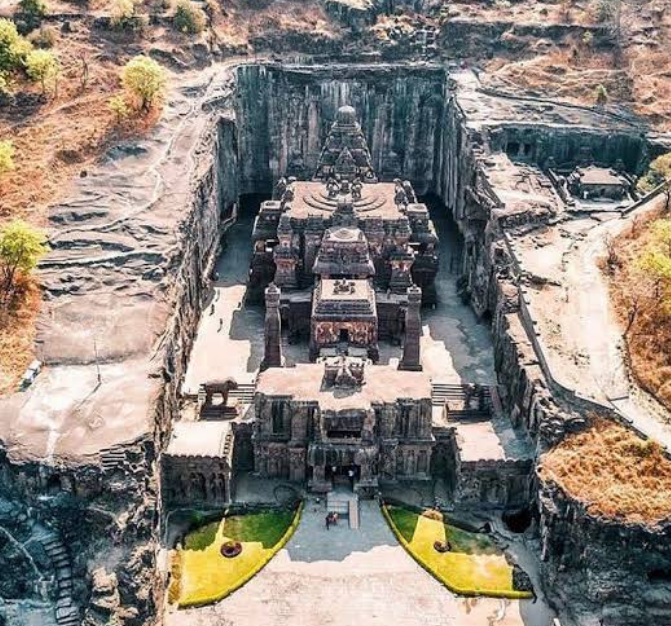
🕉️ Ellora Caves
India
About This Sacred Site
The Ellora Caves in Maharashtra, India, are a remarkable UNESCO World Heritage site comprising 34 rock-cut temples and monasteries carved between the 6th and 10th centuries CE. This archaeological marvel represents the harmonious coexistence of three major Indian religions: Hinduism, Buddhism, and Jainism. The caves display extraordinary artistic achievement, including the massive Kailasa temple (Cave 16), a single monolithic structure dedicated to Shiva. Ellora’s intricate sculptures and architectural complexity illustrate religious tolerance and cultural synthesis during its era.
Spiritual Significance
The Ellora Caves, carved between 600 and 1000 CE, represent a confluence of Hindu, Buddhist, and Jain religious traditions, housing 34 caves: 17 Hindu, 12 Buddhist, and 5 Jain. The Kailasa Temple (Cave 16) is the largest monolithic rock excavation in the world, dedicated to Lord Shiva and designed to resemble Mount Kailash, his mythic abode. Hindu caves feature detailed carvings from epics like the Ramayana and Mahabharata, illustrating theological narratives central to Shaivism and Vaishnavism. Buddhist caves include chaityas (prayer halls) and viharas (monasteries) that served as meditation and teaching centers, reflecting the Mahayana doctrinal emphasis on compassion and wisdom. Jain caves celebrate Tirthankaras with intricate sculptures emphasizing ascetic ideals and liberation. Rituals at Ellora historically involved circumambulation of shrines and offerings of flowers and incense, documented in local inscriptions. The site’s layout reflects religious pluralism, with shared spaces fostering interfaith dialogue during its construction under Rashtrakuta and later Yadava patronage. Pilgrims continue to visit during festivals such as Maha Shivaratri and Mahavir Jayanti, engaging in prayers that connect them to ancient scriptural traditions inscribed in the caves.
Key Facts
- •34 caves: 17 Hindu, 12 Buddhist, and 5 Jain, built over 500 years
- •The Kailasa Temple (Cave 16) is carved from a single rock — the largest monolithic structure in the world
- •An estimated 200,000 tons of rock were removed to create the Kailasa Temple
- •UNESCO World Heritage Site since 1983
- •Demonstrates remarkable religious tolerance in medieval India
Location
Coordinates: 20.0258, 75.1779
Frequently Asked Questions
What religion is Ellora Caves associated with?▾
Ellora Caves is a Multi-faith holy site located in India. It was established c. 600-1000 CE and is ranked #33 in our global directory of sacred sites.
When was Ellora Caves established?▾
Ellora Caves dates back to c. 600-1000 CE. 34 caves: 17 Hindu, 12 Buddhist, and 5 Jain, built over 500 years
How many people visit Ellora Caves each year?▾
Ellora Caves receives approximately 1+ million visitors per year. The Kailasa Temple (Cave 16) is carved from a single rock — the largest monolithic structure in the world
What is Ellora Caves known for?▾
34 caves representing Hinduism, Buddhism, and Jainism side by side. Visitors come seeking spiritual enlightenment, peace, ancestral connection, meditation. An estimated 200,000 tons of rock were removed to create the Kailasa Temple
Related Holy Sites
Sacred places connected by country, religion, and purpose
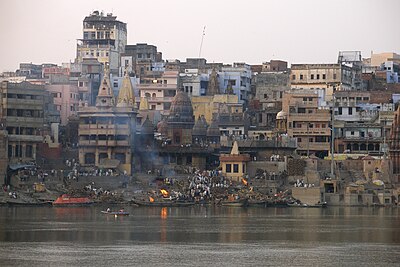
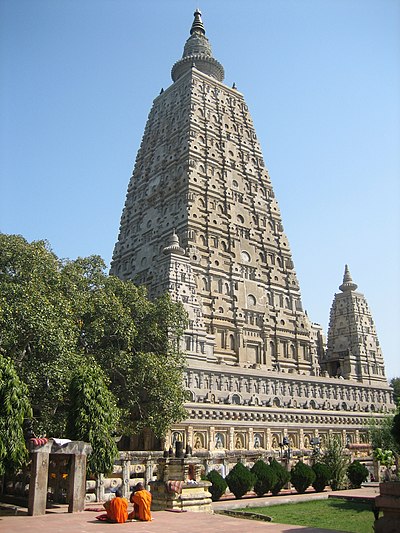
☸️Bodh Gaya (Mahabodhi Temple)
Where Siddhartha Gautama attained enlightenment and became the Buddha.
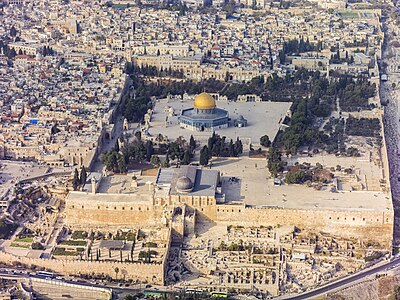
🕌Temple Mount / Al-Aqsa (Jerusalem)
Sacred to Judaism, Christianity, and Islam — the most contested holy site on Earth.
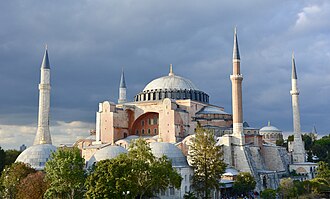
🏛️Hagia Sophia
A masterpiece that served as cathedral, mosque, and museum across centuries.
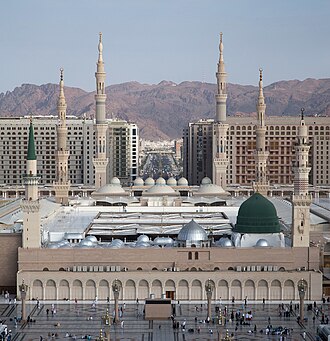
🕌Al-Masjid an-Nabawi (Prophet's Mosque)
The second holiest mosque in Islam, containing the tomb of Prophet Muhammad.
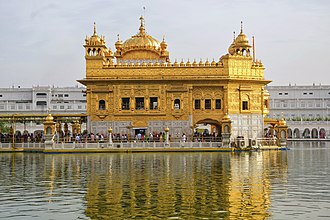
🪷Golden Temple (Harmandir Sahib)
The holiest Gurdwara in Sikhism, famous for its golden architecture and free community kitchen.

