🏰 Durham Cathedral
United Kingdom
About This Sacred Site
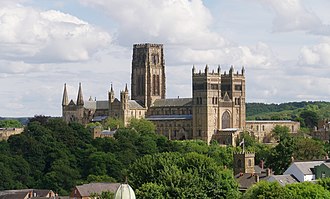
Durham Cathedral is regarded as the finest example of Norman (Romanesque) architecture in England and perhaps all of Europe. Built between 1093 and 1133 on a dramatic peninsula high above the River Wear, it pioneered the use of pointed ribbed vaults that would become the hallmark of Gothic architecture. The cathedral houses the shrine of St. Cuthbert, the most revered saint of northern England, whose body was carried here by monks fleeing Viking raids. It also contains the tomb of the Venerable Bede, the Father of English History.
History & Origins
Constructed between 1093 and 1133, Durham Cathedral is a masterpiece of Norman Romanesque architecture and a UNESCO World Heritage Site. It was built to house the relics of St. Cuthbert and the Venerable Bede, becoming a major pilgrimage destination in medieval England. The cathedral features innovative ribbed vaulting and massive stone columns. Over time, Gothic elements were added, and extensive restorations occurred in the Victorian era. Durham Cathedral remains a functioning place of worship and a symbol of religious, architectural, and cultural heritage in England.
Spiritual Significance
Since its establishment in 1093, Durham Cathedral has been a pilgrimage focal point due to housing the shrine of St. Cuthbert, whose incorrupt body was enshrined here in 1104, attracting medieval pilgrims seeking healing. The cathedral, a UNESCO World Heritage Site since 1986 alongside Durham Castle, pioneered pointed ribbed vaulting, influencing Gothic architectural spirituality by emphasizing verticality and light. The annual St. Cuthbert's Day on March 20 involves special liturgies and pilgrim processions venerating the saint's relics. The cathedral's spiritual life is deeply connected to the Benedictine tradition, with monastic offices conducted in the choir since its founding by Prince William of Normandy. Pilgrims traditionally follow the route of the Lindisfarne Gospels, reflecting the transmission of Christianity from Northumbria to Durham.
Key Facts
- •UNESCO World Heritage Site since 1986, alongside Durham Castle
- •Pioneered the use of pointed ribbed vaulting, a precursor to Gothic architecture
- •Houses the shrine of St. Cuthbert and the tomb of the Venerable Bede
- •The Sanctuary Knocker on the north door offered medieval fugitives 37 days of protection
- •Served as a filming location for Hogwarts in the Harry Potter films
Location
Coordinates: 54.7733, -1.5762
Frequently Asked Questions
What religion is Durham Cathedral associated with?▾
Durham Cathedral is a Christianity holy site located in United Kingdom. It was established 1093 and is ranked #277 in our global directory of sacred sites.
When was Durham Cathedral established?▾
Durham Cathedral dates back to 1093. UNESCO World Heritage Site since 1986, alongside Durham Castle
How many people visit Durham Cathedral each year?▾
Durham Cathedral receives approximately 600,000 visitors per year. Pioneered the use of pointed ribbed vaulting, a precursor to Gothic architecture
What is Durham Cathedral known for?▾
A masterpiece of Norman architecture housing the shrine of St. Cuthbert and the tomb of the Venerable Bede. Visitors come seeking peace, pilgrimage, spiritual enlightenment, protection. Houses the shrine of St. Cuthbert and the tomb of the Venerable Bede
Related Holy Sites
Sacred places connected by country, religion, and purpose
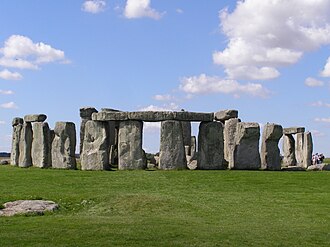
🪨Stonehenge
A prehistoric monument aligned with celestial events, shrouded in mystery.
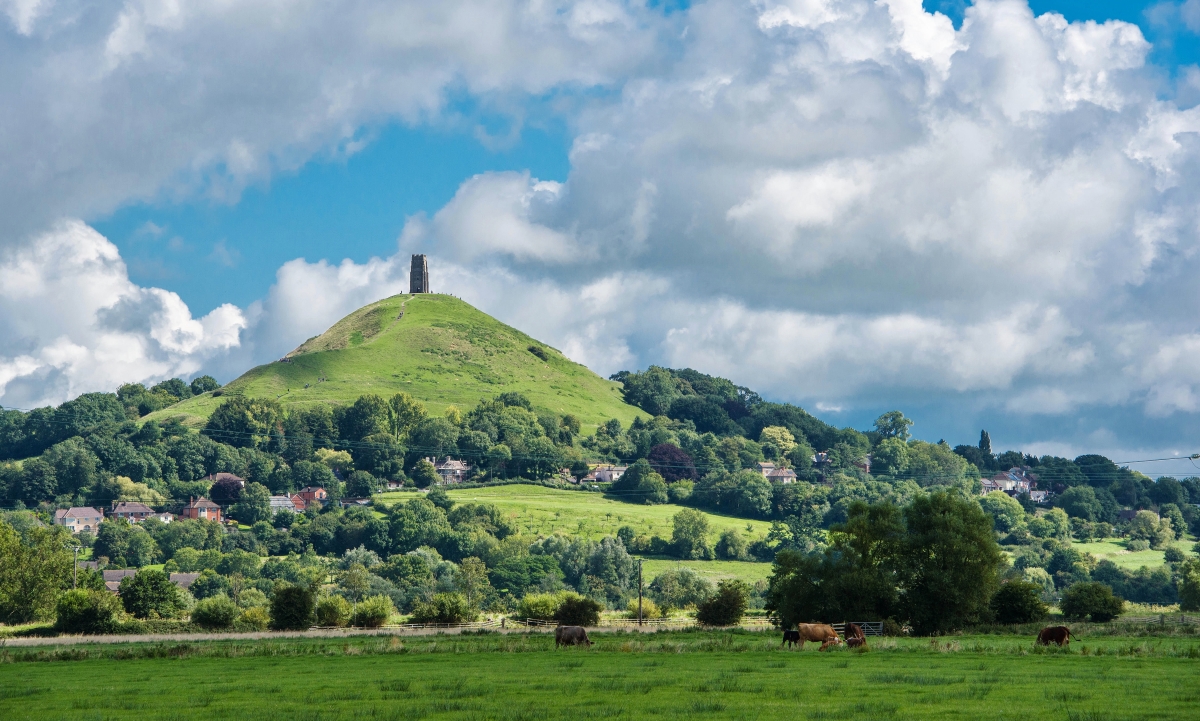
🗼Glastonbury Tor
A mystical hill linked to Arthurian legend and ancient Celtic spirituality.
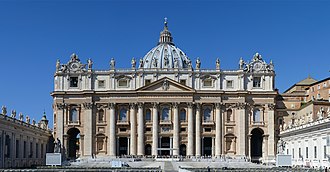
⛪Vatican City (St. Peter's Basilica)
The spiritual center of Roman Catholicism and home of the Pope.
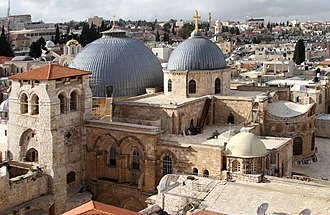
✝️Church of the Holy Sepulchre
The site where Jesus was crucified, buried, and resurrected.