
🕌 Dome of the Rock
Palestine
About This Sacred Site
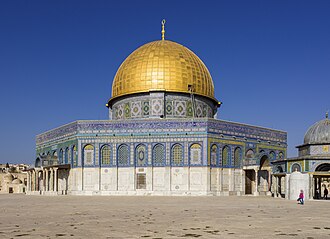
The Dome of the Rock, with its gleaming golden dome, is one of the most iconic structures in the world and one of the oldest surviving works of Islamic architecture. Built by Umayyad Caliph Abd al-Malik ibn Marwan in 691 CE, it enshrines the Foundation Stone, from which Muslims believe Prophet Muhammad ascended to heaven during the Night Journey, and which Jews regard as the place where Abraham prepared to sacrifice Isaac and where the Holy of Holies of the Jewish Temple stood. The octagonal structure features stunning mosaics, marble, and Quranic inscriptions. The golden dome, originally lead-covered, was replaced with gold-colored aluminum in 1965 and later with actual gold leaf donated by King Hussein of Jordan in 1993.
Spiritual Significance
Completed in 691 CE under the Umayyad Caliph Abd al-Malik, the shrine is built over the Foundation Stone, which holds profound significance in Islamic, Jewish, and Christian traditions. It is believed to be the site where Prophet Muhammad ascended to heaven during the Night Journey, as narrated in Hadith collections such as Sahih al-Bukhari. The golden dome, covered with 80 kilograms of gold leaf donated by King Hussein of Jordan in 1993, visually symbolizes divine light and sovereignty. The octagonal structure and intricate tile work reflect early Islamic artistic achievements and Qur'anic inscriptions emphasizing God's unity. Pilgrims often circumambulate the shrine and engage in prayer, particularly during the Islamic month of Rajab, which commemorates the Night Journey. The site's proximity to the Al-Aqsa Mosque within the Haram al-Sharif complex enhances its role in Islamic eschatology and theology.
Key Facts
- •Completed in 691 CE, it is one of the oldest surviving Islamic structures
- •The golden dome was covered with 80 kg of gold leaf donated by King Hussein in 1993
- •The Foundation Stone is sacred to both Islam and Judaism
- •The interior mosaics are among the finest examples of early Islamic art
- •The octagonal design influenced Islamic architecture throughout the world
Location
Coordinates: 31.7781, 35.2354
Frequently Asked Questions
What religion is Dome of the Rock associated with?▾
Dome of the Rock is a Islam holy site located in Palestine. It was established 691 CE and is ranked #219 in our global directory of sacred sites.
When was Dome of the Rock established?▾
Dome of the Rock dates back to 691 CE. Completed in 691 CE, it is one of the oldest surviving Islamic structures
How many people visit Dome of the Rock each year?▾
Dome of the Rock receives approximately 3+ million visitors per year. The golden dome was covered with 80 kg of gold leaf donated by King Hussein in 1993
What is Dome of the Rock known for?▾
The iconic golden-domed shrine over the rock from which Muhammad ascended to heaven. Visitors come seeking spiritual enlightenment, pilgrimage, peace, salvation. The Foundation Stone is sacred to both Islam and Judaism
Related Holy Sites
Sacred places connected by country, religion, and purpose
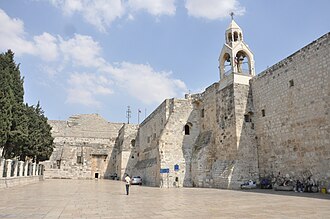
⭐Church of the Nativity
Built over the cave where Jesus Christ is believed to have been born.
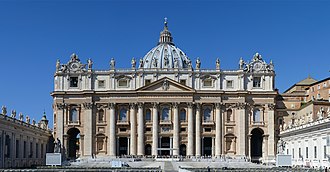
⛪Vatican City (St. Peter's Basilica)
The spiritual center of Roman Catholicism and home of the Pope.
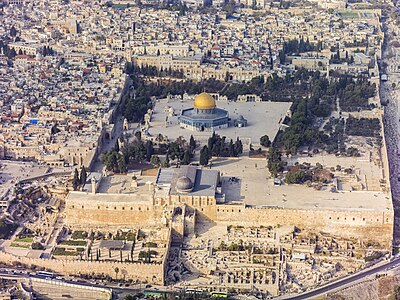
🕌Temple Mount / Al-Aqsa (Jerusalem)
Sacred to Judaism, Christianity, and Islam — the most contested holy site on Earth.

