⛪ Debre Damo Monastery
Ethiopia
About This Sacred Site
Debre Damo is one of the oldest and most inaccessible monasteries in Ethiopia, perched atop a flat-topped mountain (amba) in the Tigray region. The only way to reach it is by climbing a 15-meter leather rope up a sheer cliff face, a tradition that has continued for over 1,500 years. Founded in the 6th century by Abuna Aregawi, one of the Nine Saints who helped spread Christianity in Ethiopia, the monastery houses what is believed to be the oldest intact church building in sub-Saharan Africa. Women and female animals have never been permitted to enter. The monastery maintains a community of monks who live in near-complete isolation, preserving ancient manuscripts and traditions.
Spiritual Significance
Established in the 6th century CE by Abuna Are, the monastery is dedicated to the Apostle Thomas, who is believed in Ethiopian Orthodox tradition to have brought Christianity to Ethiopia. The monastery's isolation atop a sheer cliff, accessible only by climbing a 15-meter leather rope, symbolizes spiritual ascension and commitment to faith. Pilgrims undertake this challenging climb during the annual Timkat festival, commemorating the baptism of Jesus, reflecting the site's deep liturgical role. The church, possibly the oldest intact in sub-Saharan Africa dating from the 6th century, preserves ancient Ge'ez manuscripts and religious relics integral to Ethiopian Orthodox theology. Monks here practice the chanting of Psalms from the Ethiopian Orthodox Tewahedo liturgy and maintain the tradition of fasting and celibacy as prescribed by the church's canons. The monastery's architecture features Aksumite style elements, linking it to early Christian Ethiopian heritage, reinforcing its status as a spiritual beacon within the Orthodox community.
Key Facts
- •Accessible only by climbing a 15-meter leather rope up a sheer cliff face
- •Houses what may be the oldest intact church in sub-Saharan Africa (6th century)
- •Founded by Abuna Aregawi, one of the Nine Saints of Ethiopian Christianity
- •Women and female animals are strictly prohibited from entering
- •The monastery preserves ancient Ge'ez manuscripts dating back centuries
Location
Coordinates: 14.3733, 39.1750
Frequently Asked Questions
What religion is Debre Damo Monastery associated with?▾
Debre Damo Monastery is a Christianity holy site located in Ethiopia. It was established c. 6th century CE and is ranked #484 in our global directory of sacred sites.
When was Debre Damo Monastery established?▾
Debre Damo Monastery dates back to c. 6th century CE. Accessible only by climbing a 15-meter leather rope up a sheer cliff face
How many people visit Debre Damo Monastery each year?▾
Debre Damo Monastery receives approximately 20,000 visitors per year. Houses what may be the oldest intact church in sub-Saharan Africa (6th century)
What is Debre Damo Monastery known for?▾
An ancient clifftop monastery accessible only by climbing a 15-meter rope up a sheer cliff. Visitors come seeking meditation, spiritual enlightenment, peace, pilgrimage. Founded by Abuna Aregawi, one of the Nine Saints of Ethiopian Christianity
Related Holy Sites
Sacred places connected by country, religion, and purpose
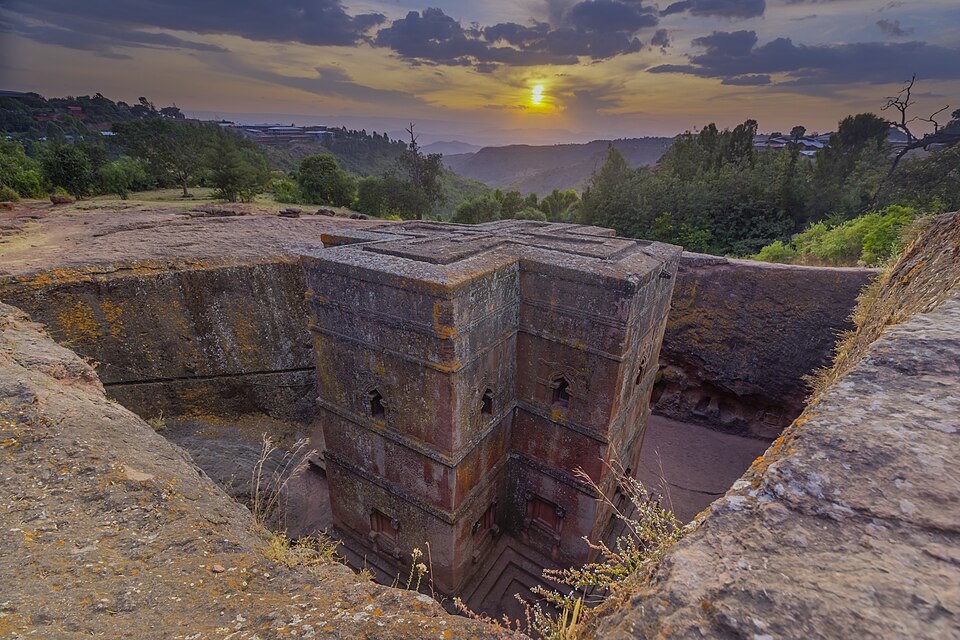
⛪Lalibela Rock-Hewn Churches
Eleven medieval churches carved entirely from living rock in Ethiopia.

⛪Vatican City (St. Peter's Basilica)
The spiritual center of Roman Catholicism and home of the Pope.
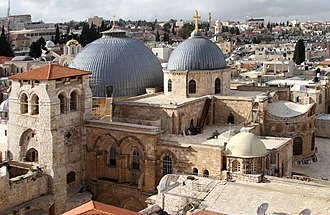
✝️Church of the Holy Sepulchre
The site where Jesus was crucified, buried, and resurrected.