🎨 Dambulla Cave Temple
Sri Lanka
About This Sacred Site
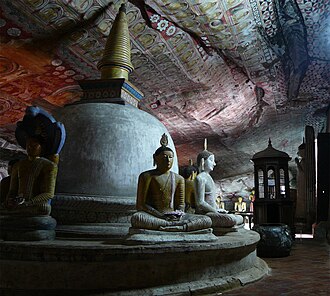
The Dambulla Cave Temple, also known as the Golden Temple of Dambulla, is the largest and best-preserved cave temple complex in Sri Lanka. Located atop a 160-meter-high rock, the complex comprises five caves decorated with over 2,100 square meters of Buddhist murals and containing more than 150 statues of the Buddha. The caves have been a place of worship since the 1st century BCE, when King Valagamba took refuge here during a South Indian invasion. The drip-edge carved into the rock face above the caves has kept the interior dry for over two millennia.
Spiritual Significance
The Dambulla Cave Temple complex, established in the 1st century BCE under King Valagamba, serves as Sri Lanka's largest and most well-preserved cave temple site, housing over 150 Buddha statues and extensive murals covering 2,100 square meters. The cave's drip-edge, carved from natural rock, protects the interior paintings from rain, preserving depictions of Buddhist cosmology, Jataka tales, and historic kings. Daily worship includes offerings of flowers and incense before statues of the sleeping, seated, and standing Buddha, illustrating various mudras significant in Theravada Buddhism. The site is a key pilgrimage destination during Vesak, the festival commemorating Buddha's birth, enlightenment, and parinirvana, when devotees enact almsgiving and meditation practices. Monks residing at the temple conduct chanting sessions from the Pali Canon, particularly the Dhammapada, reinforcing doctrinal teachings. The complex's strategic location on a rock plateau historically provided monastic seclusion, aligning with Buddhist ideals of meditation and renunciation.
Key Facts
- •Contains five caves with over 150 Buddha statues and 2,100 sq meters of murals
- •Dating to the 1st century BCE, it is Sri Lanka's largest cave temple complex
- •A drip-edge carved into the rock has kept the caves dry for 2,000+ years
- •The 14-meter reclining Buddha carved from rock is the largest statue in the complex
- •UNESCO World Heritage Site since 1991
Location
Coordinates: 7.8568, 80.6497
Frequently Asked Questions
What religion is Dambulla Cave Temple associated with?▾
Dambulla Cave Temple is a Buddhism holy site located in Sri Lanka. It was established c. 1st century BCE and is ranked #81 in our global directory of sacred sites.
When was Dambulla Cave Temple established?▾
Dambulla Cave Temple dates back to c. 1st century BCE. Contains five caves with over 150 Buddha statues and 2,100 sq meters of murals
How many people visit Dambulla Cave Temple each year?▾
Dambulla Cave Temple receives approximately 1+ million visitors per year. Dating to the 1st century BCE, it is Sri Lanka's largest cave temple complex
What is Dambulla Cave Temple known for?▾
The largest and best-preserved cave temple complex in Sri Lanka with 150 Buddha statues. Visitors come seeking meditation, spiritual enlightenment, blessings, peace. A drip-edge carved into the rock has kept the caves dry for 2,000+ years
Related Holy Sites
Sacred places connected by country, religion, and purpose
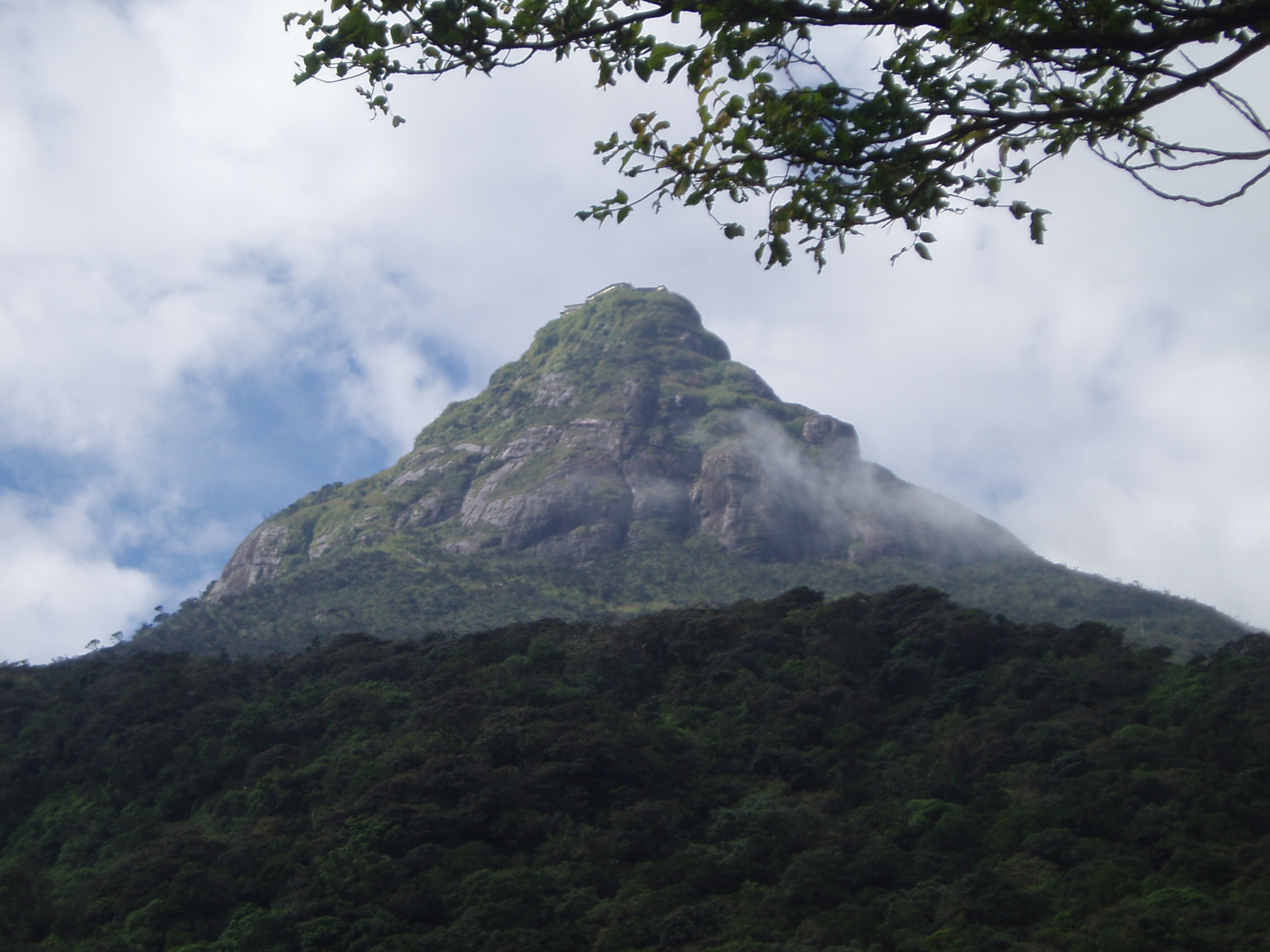
👣Sri Pada (Adam's Peak)
A sacred mountain with a footprint revered by four different religions.
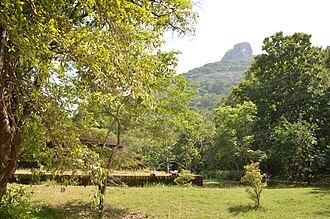
🌳Anuradhapura Sacred City
Sri Lanka's first ancient capital, home to the world's oldest known tree planted by humans.
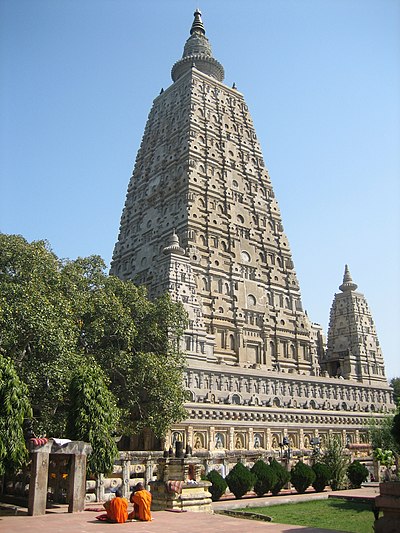
☸️Bodh Gaya (Mahabodhi Temple)
Where Siddhartha Gautama attained enlightenment and became the Buddha.
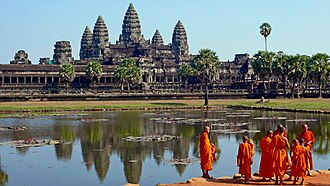
🛕Angkor Wat
The largest religious monument in the world, originally Hindu then Buddhist.