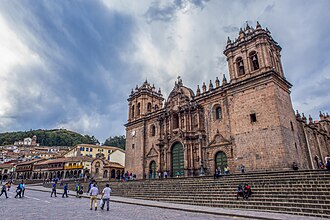
⛪ Cusco Cathedral (Cathedral Basilica of the Assumption of the Virgin)
Peru
About This Sacred Site
The Cusco Cathedral, dominating the Plaza de Armas, is one of the finest examples of colonial religious architecture in the Americas. Built between 1559 and 1654 on the foundations of the Inca palace of Viracocha, it deliberately symbolized the triumph of Christianity over the Inca religion. The interior houses an extraordinary collection of Cusco School paintings, including a famous Last Supper depicting Jesus and the apostles eating cuy (guinea pig). The cathedral contains over 400 colonial paintings, elaborate gold and silver altars, and the venerated crucifix known as the Lord of the Earthquakes.
Spiritual Significance
Founded in 1559, the Cathedral Basilica of the Assumption of the Virgin in Cusco serves as the principal Catholic church of the Archdiocese of Cusco, symbolizing the imposition of Christianity over Inca religion. Built atop the Inca palace of Viracocha, the cathedral incorporates stones from the nearby Sacsayhuamán fortress, embodying the religious and political conquest of the Spanish. The cathedral houses a famous 17th-century Last Supper painting by Marcos Zapata, uniquely depicting Jesus consuming cuy (guinea pig), a traditional Andean food, reflecting syncretism between Catholic and indigenous cultures. Each October, the Feast of the Virgin of the Assumption is celebrated with massive processions and mass led by the Archbishop of Cusco, attracting thousands of pilgrims who engage in acts of penance and devotion. The cathedral's altarpieces and religious iconography emphasize Marian theology, aligning with Catholic doctrines found in the Council of Trent decrees. Devotees also venerate the Virgen de la Natividad, whose statue is paraded annually during Corpus Christi, highlighting the cathedral's ongoing role in both religious ritual and cultural identity.
Key Facts
- •Built on the foundations of the Inca palace of Viracocha using stones from Sacsayhuamán
- •Contains a famous Last Supper painting showing Jesus eating guinea pig (cuy)
- •Houses the Lord of the Earthquakes crucifix, Cusco's most venerated image
- •Over 400 paintings of the Cusco School of art are displayed inside
- •UNESCO World Heritage Site as part of the City of Cusco (since 1983)
Location
Coordinates: -13.5162, -71.9781
Frequently Asked Questions
What religion is Cusco Cathedral (Cathedral Basilica of the Assumption of the Virgin) associated with?▾
Cusco Cathedral (Cathedral Basilica of the Assumption of the Virgin) is a Christianity holy site located in Peru. It was established 1559 (construction began) and is ranked #361 in our global directory of sacred sites.
When was Cusco Cathedral (Cathedral Basilica of the Assumption of the Virgin) established?▾
Cusco Cathedral (Cathedral Basilica of the Assumption of the Virgin) dates back to 1559 (construction began). Built on the foundations of the Inca palace of Viracocha using stones from Sacsayhuamán
How many people visit Cusco Cathedral (Cathedral Basilica of the Assumption of the Virgin) each year?▾
Cusco Cathedral (Cathedral Basilica of the Assumption of the Virgin) receives approximately 600,000 visitors per year. Contains a famous Last Supper painting showing Jesus eating guinea pig (cuy)
What is Cusco Cathedral (Cathedral Basilica of the Assumption of the Virgin) known for?▾
A grand colonial cathedral built on the foundations of an Inca palace in the heart of Cusco. Visitors come seeking blessings, pilgrimage, forgiveness, salvation. Houses the Lord of the Earthquakes crucifix, Cusco's most venerated image
Related Holy Sites
Sacred places connected by country, religion, and purpose
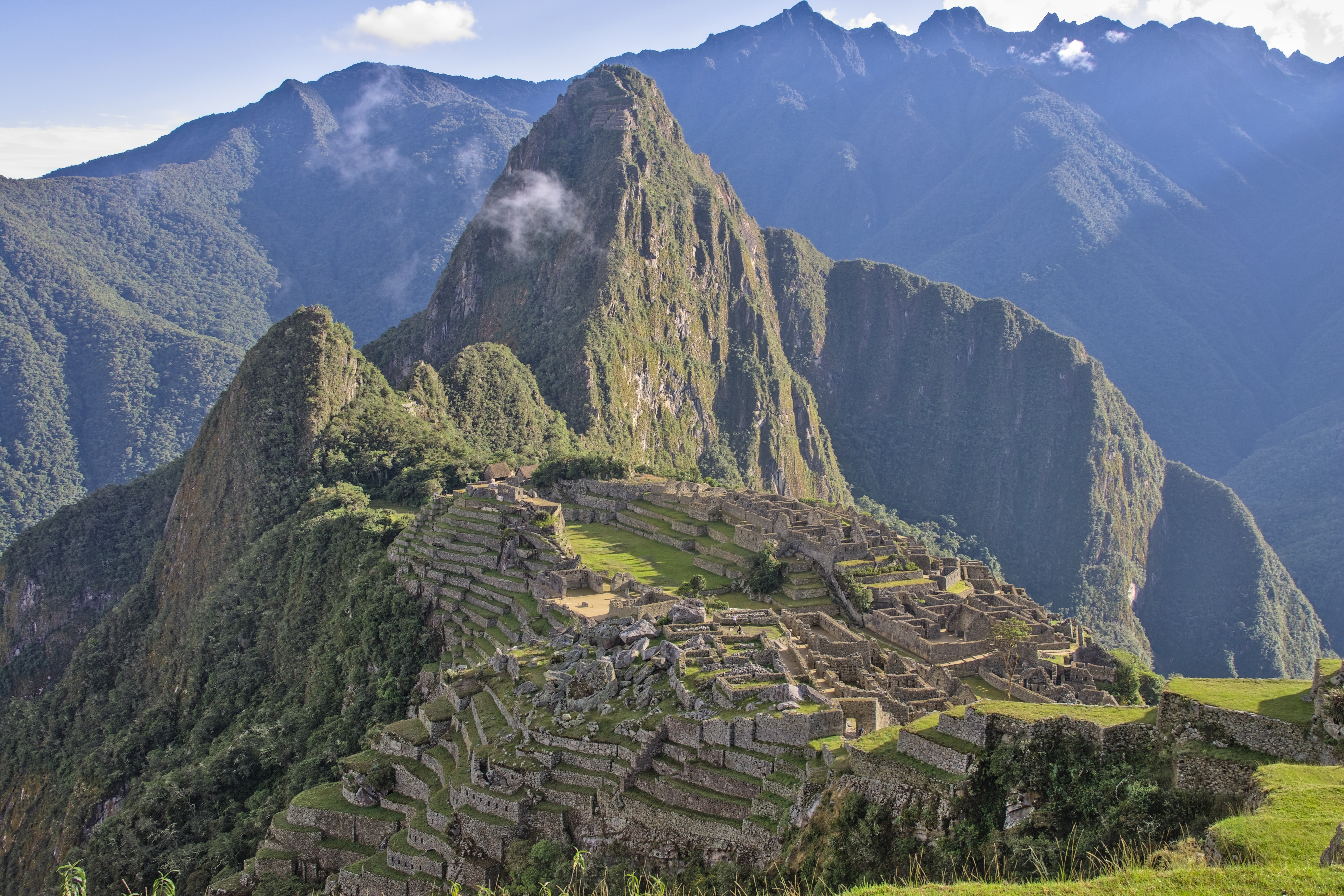
🏔️Machu Picchu
A sacred Inca citadel set high in the Andes, aligned with astronomical events.
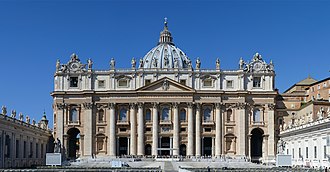
⛪Vatican City (St. Peter's Basilica)
The spiritual center of Roman Catholicism and home of the Pope.
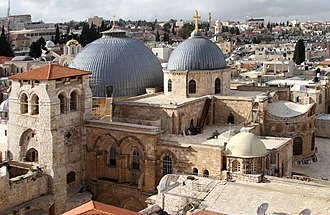
✝️Church of the Holy Sepulchre
The site where Jesus was crucified, buried, and resurrected.