
⛪ Clonmacnoise
Ireland
About This Sacred Site
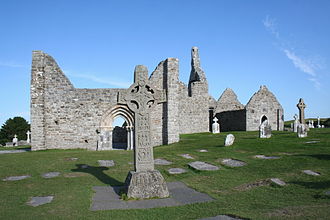
Clonmacnoise, founded around 544 CE by St. Ciarán on the banks of the River Shannon in County Offaly, became a major center of religion, learning, and craftsmanship in early medieval Ireland. The monastic site contains well-preserved ruins including round towers, high crosses with intricate carvings, and church foundations. It served as a spiritual hub and burial ground for kings and clerics. Clonmacnoise’s archaeological remains offer invaluable insights into early Christian Ireland and its monastic traditions.
History & Origins
Founded in 544 CE by Saint Ciarán, Clonmacnoise is situated at the strategic confluence of the River Shannon and an ancient east-west trade route, facilitating its growth as a major center of learning and worship. The monastic site includes ruins of a cathedral, seven churches, three round towers, and numerous high crosses, with the Cross of the Scriptures dating from the 9th century. The monastery was repeatedly attacked by Vikings in the 9th and 10th centuries but remained a spiritual hub under various Irish kings. It became a diocesan center in 1111, and by the 12th century, it was renowned for producing illuminated manuscripts, including portions of the Book of the Dun Cow. Decline began in the 16th century following the Dissolution of the Monasteries, but the site remains a protected national monument.
Spiritual Significance
Clonmacnoise served as a pilgrimage destination particularly on the feast day of Saint Ciarán, celebrated on September 9, attracting devotees seeking intercession and healing. The high crosses, especially the Cross of the Scriptures, functioned as focal points for teaching biblical stories to a largely illiterate population, reflecting an early medieval catechetical practice. Manuscript production at the site, including the 12th-century Book of the Dun Cow, underscores its role in preserving and disseminating Christian scripture and theology. The round towers served both as bell towers calling monks and pilgrims to prayer and as refuges during raids, symbolizing spiritual resilience. The site’s alignment with the river and roads facilitated processions and facilitated its status as a center for the Celtic Christian tradition, combining monastic asceticism with missionary outreach.
Key Facts
- •Founded by St. Ciarán in 544 CE at the crossroads of the Shannon and an ancient east-west road
- •Produced important manuscripts including parts of the Book of the Dun Cow (12th century)
- •The Cross of the Scriptures (c. 900 CE) is one of Ireland's finest high crosses
- •Raided by Vikings, Normans, and English over the centuries before declining in the 16th century
- •Contains the remains of a cathedral, seven churches, two round towers, and three high crosses
Location
Coordinates: 53.3265, -7.9860
Frequently Asked Questions
What religion is Clonmacnoise associated with?▾
Clonmacnoise is a Christianity holy site located in Ireland. It was established 544 and is ranked #598 in our global directory of sacred sites.
When was Clonmacnoise established?▾
Clonmacnoise dates back to 544. Founded by St. Ciarán in 544 CE at the crossroads of the Shannon and an ancient east-west road
How many people visit Clonmacnoise each year?▾
Clonmacnoise receives approximately 160,000 visitors per year. Produced important manuscripts including parts of the Book of the Dun Cow (12th century)
What is Clonmacnoise known for?▾
An early medieval monastic city on the River Shannon, once a great center of Irish learning. Visitors come seeking ancestral connection, spiritual enlightenment, pilgrimage, peace. The Cross of the Scriptures (c. 900 CE) is one of Ireland's finest high crosses
Related Holy Sites
Sacred places connected by country, religion, and purpose
🌀Newgrange
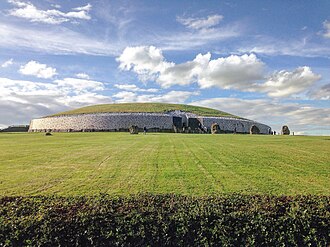
A 5,000-year-old passage tomb older than Stonehenge, aligned to the winter solstice sunrise.
⛪Glendalough
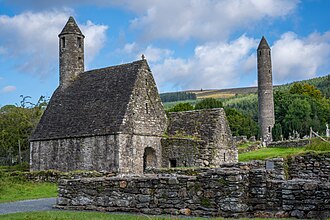
An early medieval monastic settlement in a glacial valley in the Wicklow Mountains.
⛪Vatican City (St. Peter's Basilica)
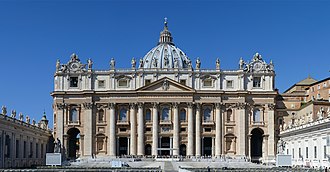
The spiritual center of Roman Catholicism and home of the Pope.
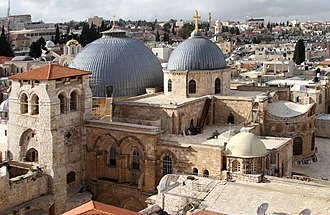
✝️Church of the Holy Sepulchre
The site where Jesus was crucified, buried, and resurrected.
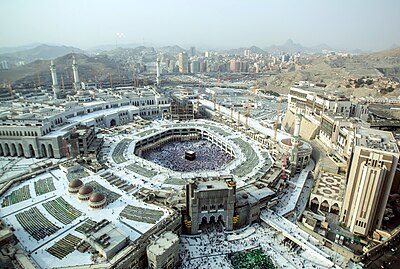
🕋Masjid al-Haram (Great Mosque of Mecca)
The holiest site in Islam, home of the Kaaba, and the destination for Hajj pilgrimage.
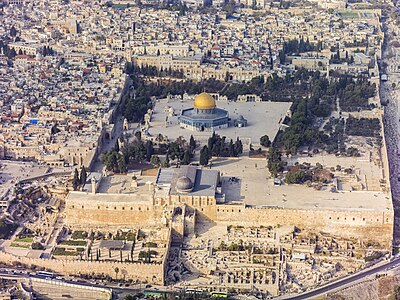
🕌Temple Mount / Al-Aqsa (Jerusalem)
Sacred to Judaism, Christianity, and Islam — the most contested holy site on Earth.

