✝️ Church of the Holy Sepulchre (Palestinian quarter access)
Palestine
About This Sacred Site
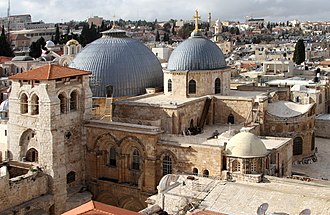
While the Church of the Holy Sepulchre is counted among Israel's sites, significant portions are maintained by communities with deep Palestinian connections. The Ethiopian Orthodox monastery of Deir es-Sultan sits on the roof of the church, where Ethiopian monks have lived for centuries in small cells. The Coptic chapel behind the Edicule and the Syrian Orthodox Chapel of St. Nicodemus represent the presence of Eastern Christian communities. Palestinian Christians, descendants of some of the earliest Christian communities in the world, maintain their spiritual connection to this site through these chapels. The church's complex governance, shared among six denominations, reflects centuries of devotion from diverse communities of the Holy Land.
Spiritual Significance
The Church of the Holy Sepulchre, established in 326 CE under Emperor Constantine, is revered as the site of Jesus Christ's crucifixion, burial, and resurrection according to Christian tradition documented in the Gospels of Matthew, Mark, Luke, and John. Six Christian denominations, including the Greek Orthodox, Roman Catholic, and Armenian Apostolic Churches, share custodianship, maintaining a complex status quo arrangement established in 1853. Pilgrims participate in the Holy Fire ceremony annually on Holy Saturday, symbolizing Christ's resurrection, which occurs in the Edicule housing the supposed tomb. The Deir es-Sultan monastery, situated on the church roof and inhabited by Ethiopian monks, represents a centuries-old monastic presence, with its small cells used for prayer and meditation. Worshipers engage in the Way of the Cross procession beginning at the Chapel of the Condemnation and ending at the Edicule. The church's significance is amplified by its location within Jerusalem's Old City, accessible through the Palestinian quarter, linking it to the broader Christian narrative and pilgrimage routes outlined by early Church Fathers such as Eusebius of Caesarea.
Key Facts
- •Ethiopian monks have maintained a monastery on the church roof for centuries
- •The Deir es-Sultan monastery on the roof is a cluster of small monks' cells
- •Six Christian denominations share governance through the centuries-old Status Quo
- •Palestinian Christians trace their lineage to the earliest Christian communities
- •The key to the church has been held by a Palestinian Muslim family since the 12th century
Location
Coordinates: 31.7785, 35.2298
Frequently Asked Questions
What religion is Church of the Holy Sepulchre (Palestinian quarter access) associated with?▾
Church of the Holy Sepulchre (Palestinian quarter access) is a Christianity holy site located in Palestine. It was established 326 CE (original church) and is ranked #262 in our global directory of sacred sites.
When was Church of the Holy Sepulchre (Palestinian quarter access) established?▾
Church of the Holy Sepulchre (Palestinian quarter access) dates back to 326 CE (original church). Ethiopian monks have maintained a monastery on the church roof for centuries
How many people visit Church of the Holy Sepulchre (Palestinian quarter access) each year?▾
Church of the Holy Sepulchre (Palestinian quarter access) receives approximately 4+ million visitors per year. The Deir es-Sultan monastery on the roof is a cluster of small monks' cells
What is Church of the Holy Sepulchre (Palestinian quarter access) known for?▾
The Ethiopian and Coptic chapels within Christianity's holiest site, accessed via the Palestinian quarter. Visitors come seeking salvation, forgiveness, healing, pilgrimage. Six Christian denominations share governance through the centuries-old Status Quo
Related Holy Sites
Sacred places connected by country, religion, and purpose
⭐Church of the Nativity
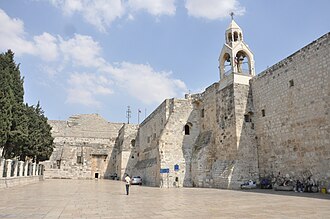
Built over the cave where Jesus Christ is believed to have been born.
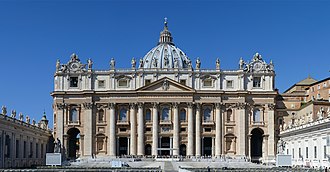
⛪Vatican City (St. Peter's Basilica)
The spiritual center of Roman Catholicism and home of the Pope.
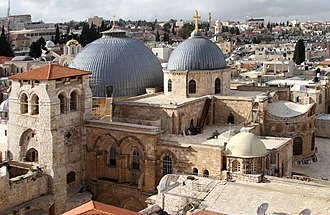
✝️Church of the Holy Sepulchre
The site where Jesus was crucified, buried, and resurrected.