⛪ ChristChurch Cathedral (Christchurch)
New Zealand
About This Sacred Site
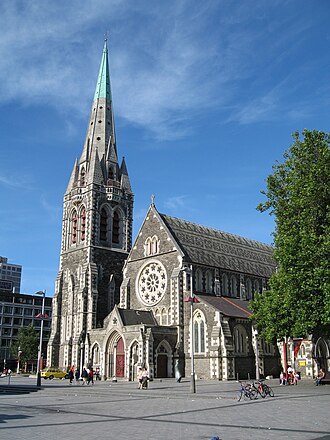
ChristChurch Cathedral is an Anglican cathedral in Cathedral Square, the heart of Christchurch on New Zealand's South Island. Designed by Sir George Gilbert Scott and built between 1864 and 1904, it was the city's most iconic landmark until it was severely damaged in the devastating February 2011 earthquake. After years of debate, a full restoration was approved and is underway. A temporary 'Cardboard Cathedral' designed by Shigeru Ban served the community during the interim. The cathedral's restoration has become a symbol of Christchurch's resilience.
Spiritual Significance
ChristChurch Cathedral, designed by Sir George Gilbert Scott and constructed between 1864 and 1904, has served as the Anglican Diocese of Christchurch's central place of worship. The cathedral hosted the annual Easter Vigil, a liturgical event rooted in the Book of Common Prayer, signifying Christ's resurrection. Its chancel features stained glass windows depicting scenes from the Gospel of John, used during services to teach scripture visually. After the 2011 earthquake, the temporary 'Cardboard Cathedral' became a new worship space, hosting ecumenical services including the Anglican Holy Communion and community prayer meetings. The cathedral's bell tower was historically rung for significant Christian festivals such as Christmas and Pentecost, following traditions established by early Anglican settlers. Its theological importance is underscored by its role in diocesan synods and ordination ceremonies, emphasizing the Anglican doctrine of apostolic succession. Pilgrims often visit the site during the anniversary of the earthquake, participating in remembrance services and prayers for resilience, reflecting the cathedral's symbolic endurance within New Zealand Christianity.
Key Facts
- •Designed by Sir George Gilbert Scott and built between 1864 and 1904
- •Severely damaged by the 6.3-magnitude earthquake on February 22, 2011
- •A temporary 'Cardboard Cathedral' by Shigeru Ban opened in 2013
- •Full restoration was approved in 2017 and is expected to take over a decade
- •The cathedral's 63-meter tower and copper spire were the tallest structures in early Christchurch
Location
Coordinates: -43.5309, 172.6366
Frequently Asked Questions
What religion is ChristChurch Cathedral (Christchurch) associated with?▾
ChristChurch Cathedral (Christchurch) is a Christianity holy site located in New Zealand. It was established 1904 (original construction began 1864) and is ranked #790 in our global directory of sacred sites.
When was ChristChurch Cathedral (Christchurch) established?▾
ChristChurch Cathedral (Christchurch) dates back to 1904 (original construction began 1864). Designed by Sir George Gilbert Scott and built between 1864 and 1904
How many people visit ChristChurch Cathedral (Christchurch) each year?▾
ChristChurch Cathedral (Christchurch) receives approximately 500,000 (pre-earthquake) visitors per year. Severely damaged by the 6.3-magnitude earthquake on February 22, 2011
What is ChristChurch Cathedral (Christchurch) known for?▾
Christchurch's iconic Anglican cathedral, severely damaged in the 2011 earthquake and undergoing restoration as a symbol of resilience. Visitors come seeking peace, healing, guidance, blessings. A temporary 'Cardboard Cathedral' by Shigeru Ban opened in 2013
Related Holy Sites
Sacred places connected by country, religion, and purpose
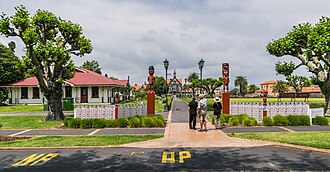
♨️Rotorua Geothermal Sacred Sites
Geothermal hot springs and geysers in the central North Island considered tapu and healing by Māori.

⛪Vatican City (St. Peter's Basilica)
The spiritual center of Roman Catholicism and home of the Pope.
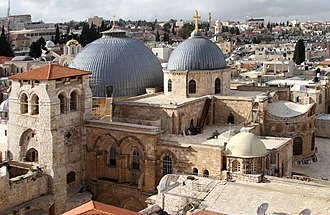
✝️Church of the Holy Sepulchre
The site where Jesus was crucified, buried, and resurrected.