
⛪ Chernivtsi University (former Metropolitans' Residence)
Ukraine
About This Sacred Site
The Residence of the Bukovinian and Dalmatian Metropolitans in Chernivtsi, built in 1882 and now part of Chernivtsi National University, is a masterpiece of historicist architecture blending Byzantine, Gothic, and Baroque elements. Designed by Czech architect Josef Hlávka, it served as the spiritual and administrative center for the region’s Orthodox Church. The ornate complex features vibrant frescoes, intricate woodwork, and symbolic motifs, reflecting the cultural and religious diversity of Bukovina and its ecclesiastical heritage.
History & Origins
Constructed between 1864 and 1882, the building was designed by Czech architect Josef Hlávka, who combined Byzantine, Baroque, and Gothic Revival architectural elements to represent the diverse cultural heritage of Bukovina. Originally commissioned by the Austro-Hungarian Empire, it served as the residence and seminary of the Orthodox Metropolitan of Bukovina, reflecting the region's religious importance under imperial rule. Throughout the late 19th and early 20th centuries, the site hosted theological education and ecclesiastical governance until political changes following World War I shifted its function. After the Soviet annexation of Bukovina in 1940, the residence was repurposed for secular academic use. In 2011, it became part of Chernivtsi National University, receiving UNESCO World Heritage status for its architectural and historical significance. Restoration efforts between 2000 and 2010 focused on preserving Hlávka's intricate façade and interior frescoes, crucial examples of 19th-century ecclesiastical art in Eastern Europe.
Spiritual Significance
The former residence was central to Orthodox Christian liturgical training in Bukovina, hosting regular prayers and theological debates guided by the teachings of the Eastern Orthodox Church Fathers, such as St. John Chrysostom. Annual celebrations of the Dormition of the Theotokos on August 15 drew seminarians and clergy to the chapel within the residence, following Byzantine liturgical traditions. Pilgrims historically visited the site to seek blessings from the Metropolitan, who was considered a spiritual leader in the region. The Seminary's curriculum emphasized patristic scriptures and the Nicene Creed, reinforcing Orthodox doctrinal continuity. The building's design symbolically represented the union of Heaven and Earth, with its domes and arches reflecting Byzantine cosmology as described in Orthodox liturgical texts. Even today, occasional Orthodox services are held in the restored chapel, maintaining the site's function as a locus of spiritual learning and worship.
Key Facts
- •Designed by Czech architect Josef Hlávka and built 1864–1882
- •Originally served as the residence and seminary of the Orthodox Metropolitan of Bukovina
- •The architecture blends Byzantine, Moorish, and Gothic Revival elements in a unique synthesis
- •Inscribed as a UNESCO World Heritage Site in 2011
- •The Seminary Church features a dome with extraordinary acoustics and polychrome decoration
Location
Coordinates: 48.2963, 25.9209
Frequently Asked Questions
What religion is Chernivtsi University (former Metropolitans' Residence) associated with?▾
Chernivtsi University (former Metropolitans' Residence) is a Christianity holy site located in Ukraine. It was established 1882 and is ranked #527 in our global directory of sacred sites.
When was Chernivtsi University (former Metropolitans' Residence) established?▾
Chernivtsi University (former Metropolitans' Residence) dates back to 1882. Designed by Czech architect Josef Hlávka and built 1864–1882
How many people visit Chernivtsi University (former Metropolitans' Residence) each year?▾
Chernivtsi University (former Metropolitans' Residence) receives approximately 200,000 visitors per year. Originally served as the residence and seminary of the Orthodox Metropolitan of Bukovina
What is Chernivtsi University (former Metropolitans' Residence) known for?▾
A UNESCO-listed complex originally built as the residence of Bukovinian and Dalmatian Orthodox Metropolitans. Visitors come seeking spiritual enlightenment, guidance, peace, blessings. The architecture blends Byzantine, Moorish, and Gothic Revival elements in a unique synthesis
Related Holy Sites
Sacred places connected by country, religion, and purpose

⛪Vatican City (St. Peter's Basilica)
The spiritual center of Roman Catholicism and home of the Pope.
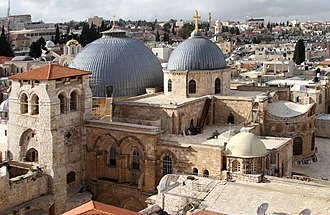
✝️Church of the Holy Sepulchre
The site where Jesus was crucified, buried, and resurrected.

🕌Temple Mount / Al-Aqsa (Jerusalem)
Sacred to Judaism, Christianity, and Islam — the most contested holy site on Earth.
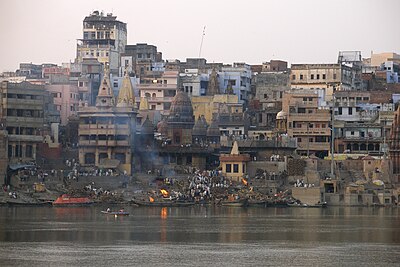
🙏Varanasi (Kashi Vishwanath Temple)
The holiest city in Hinduism, where the Ganges River purifies the soul.

