
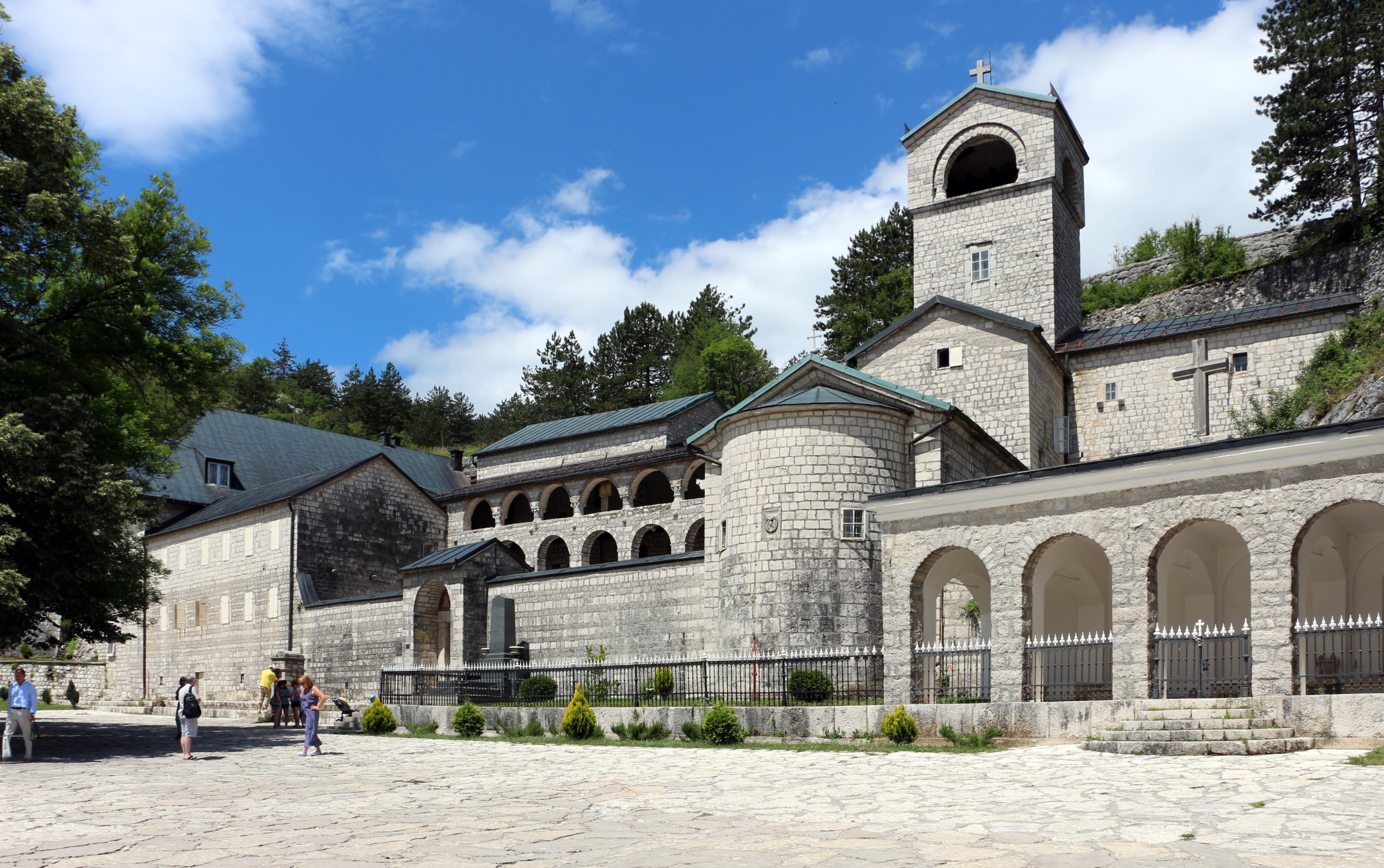
⛪ Cetinje Monastery
Montenegro
About This Sacred Site
Established in 1484 by Ivan Crnojević, the Cetinje Monastery is constructed primarily from local limestone and features a rectangular nave measuring approximately 30 by 15 meters. Its stone walls are over one meter thick, and the roof is composed of traditional wooden beams covered with clay tiles. The interior houses an intricately carved iconostasis made of oak, dating from the 17th century. The monastery complex includes a bell tower added in the 19th century and a treasury vault where relics are kept. Notable among these relics is what is believed to be the right hand of John the Baptist, preserved in a silver reliquary, and a fragment reputed to be part of the True Cross, both drawing pilgrims worldwide.
Spiritual Significance
The monastery has been the spiritual center of the Serbian Orthodox Church in Montenegro since its founding by Ivan Crnojević, who dedicated it to the Assumption of the Virgin Mary. Annual celebrations on August 28 commemorate the monastery's patron saint, featuring liturgies and processions led by the Metropolitan of Montenegro and the Littoral. Pilgrims traditionally venerate the relic of John the Baptist's right hand, believed to offer protection and healing, following practices rooted in Orthodox Christian theology and referenced in the writings of Saint John Chrysostom. The fragment of the True Cross is displayed on the feast of the Exaltation of the Holy Cross every September 14, reinforcing beliefs about Christ's redemptive sacrifice. The monastery also preserves medieval manuscripts, including biblical texts, underscoring its role in Orthodox education and liturgical life.
Key Facts
- •Originally founded in 1484 by Ivan Crnojević
- •Houses what is believed to be the right hand of John the Baptist
- •Contains a fragment believed to be of the True Cross
- •Destroyed and rebuilt multiple times throughout its history
- •Located in the historic royal capital of Montenegro
Location
Coordinates: 42.3886, 18.9253
Frequently Asked Questions
What religion is Cetinje Monastery associated with?▾
Cetinje Monastery is a Christianity holy site located in Montenegro. It was established 1484 and is ranked #745 in our global directory of sacred sites.
When was Cetinje Monastery established?▾
Cetinje Monastery dates back to 1484. Originally founded in 1484 by Ivan Crnojević
How many people visit Cetinje Monastery each year?▾
Cetinje Monastery receives approximately 300,000 visitors per year. Houses what is believed to be the right hand of John the Baptist
What is Cetinje Monastery known for?▾
The spiritual seat of the Serbian Orthodox Church in Montenegro, housing sacred relics. Visitors come seeking spiritual enlightenment, pilgrimage, blessings. Contains a fragment believed to be of the True Cross
Related Holy Sites
Sacred places connected by country, religion, and purpose

🕌Old Bar Mosques
Ottoman mosques amid the atmospheric ruins of Old Bar (Stari Bar).
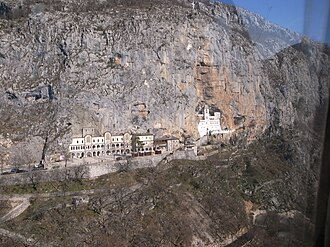
⛪Ostrog Monastery
A dramatic cliff-face monastery in Montenegro, one of the most visited pilgrimage sites in the Balkans.
⛪Vatican City (St. Peter's Basilica)
The spiritual center of Roman Catholicism and home of the Pope.
✝️Church of the Holy Sepulchre
The site where Jesus was crucified, buried, and resurrected.
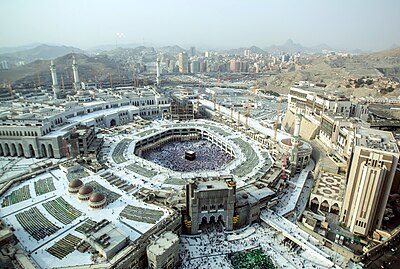
🕋Masjid al-Haram (Great Mosque of Mecca)
The holiest site in Islam, home of the Kaaba, and the destination for Hajj pilgrimage.

🕌Temple Mount / Al-Aqsa (Jerusalem)
Sacred to Judaism, Christianity, and Islam — the most contested holy site on Earth.

