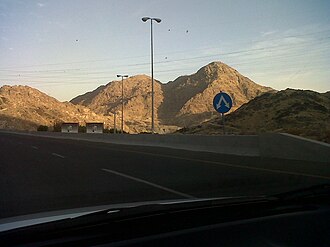
⛰️ Cave of Thawr (Jabal Thawr)
Saudi Arabia
About This Sacred Site
The Cave of Thawr on Jabal Thawr (Mount Thawr), about 5 kilometers south of Mecca, is where Prophet Muhammad and his companion Abu Bakr hid for three nights in 622 CE while fleeing from their Meccan persecutors during the Hijra (migration to Medina). According to Islamic tradition, God caused a spider to spin a web and a dove to build a nest at the cave's entrance, convincing their pursuers that no one had recently entered. The Quran references this event in Surah At-Tawbah. The cave sits near the summit of the 760-meter mountain and requires a challenging climb to reach.
History & Origins
The Cave of Thawr, located about 5 kilometers south of Mecca on Jabal Thawr, gained historical prominence during the Hijra in 622 CE when Prophet Muhammad and his companion Abu Bakr hid here for three days to escape persecution by the Quraysh tribe. This event marked a critical turning point in Islamic history, facilitating the establishment of the first Muslim community in Medina. The cave, modest in size, has been preserved as a sacred site reflecting themes of trust in God and divine protection. Over the centuries, it has attracted pilgrims who seek to connect with this pivotal moment of early Islam. The Saudi authorities have maintained the site, ensuring safe access for visitors, while its spiritual narrative emphasizes sacrifice, resilience, and faith during Islam’s formative period.
Spiritual Significance
The cave on Jabal Thawr holds profound spiritual significance in Islam as the refuge where Prophet Muhammad and Abu Bakr sought shelter for three nights during the Hijra in 622 CE, marking the beginning of the Islamic calendar. The Qur'an (Surah At-Tawbah 9:40) alludes to this event, emphasizing divine protection during their concealment. Pilgrims visiting the cave often perform du'a prayers on the site, reflecting on the themes of trust in God and perseverance. The miraculous concealment of the cave's entrance by a spider web and dove's nest, which prevented detection by Quraysh pursuers, is commemorated in sermons and Islamic teachings about divine intervention. The cave's location, approximately five kilometers south of Medina, is accessible by a steep trail up the mountain, symbolizing the arduous journey of the Hijra. Annual pilgrimages during the month of Muharram include visits to this site to honor the sacrifice and courage of the Prophet and his companion. Islamic scholars such as Ibn Kathir have detailed the cave’s significance in their historical and exegetical works, reinforcing its status as a spiritual landmark. The physical characteristics of the cave, a narrow natural hollow within the sandstone mountain, remain largely unchanged since the 7th century, preserving its authenticity and atmosphere. The site is maintained by the Saudi government, ensuring safe access while protecting its historical integrity.
Key Facts
- •Prophet Muhammad and Abu Bakr hid here for three nights during the Hijra in 622 CE
- •A spider web and dove nest miraculously concealed the entrance from pursuers
- •Referenced in the Quran in Surah At-Tawbah (9:40)
- •Located on a 760-meter mountain about 5 km south of Mecca
- •The Hijra from this cave marks the start of the Islamic calendar
Location
Coordinates: 21.3761, 39.8486
Frequently Asked Questions
What religion is Cave of Thawr (Jabal Thawr) associated with?▾
Cave of Thawr (Jabal Thawr) is a Islam holy site located in Saudi Arabia. It was established 622 CE and is ranked #488 in our global directory of sacred sites.
When was Cave of Thawr (Jabal Thawr) established?▾
Cave of Thawr (Jabal Thawr) dates back to 622 CE. Prophet Muhammad and Abu Bakr hid here for three nights during the Hijra in 622 CE
How many people visit Cave of Thawr (Jabal Thawr) each year?▾
Cave of Thawr (Jabal Thawr) receives approximately 500,000+ visitors per year. A spider web and dove nest miraculously concealed the entrance from pursuers
What is Cave of Thawr (Jabal Thawr) known for?▾
The cave where Prophet Muhammad hid from his Meccan pursuers during the Hijra migration. Visitors come seeking protection, guidance, pilgrimage, peace. Referenced in the Quran in Surah At-Tawbah (9:40)
Related Holy Sites
Sacred places connected by country, religion, and purpose
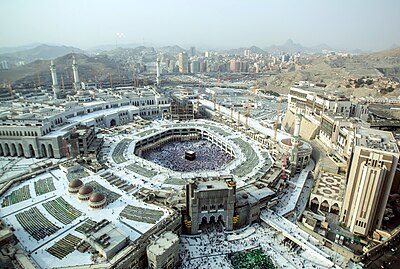
🕋Masjid al-Haram (Great Mosque of Mecca)
The holiest site in Islam, home of the Kaaba, and the destination for Hajj pilgrimage.
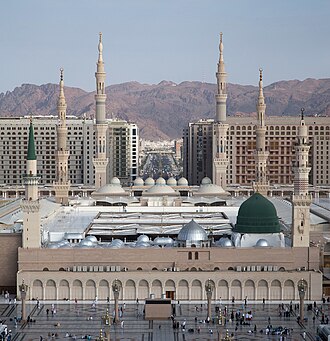
🕌Al-Masjid an-Nabawi (Prophet's Mosque)
The second holiest mosque in Islam, containing the tomb of Prophet Muhammad.