⛪ Cathedral of St Michael and All Angels Barbados
Barbados
About This Sacred Site
The Cathedral of St Michael and All Angels, built in 1665 from local coral limestone, is the Anglican Bishopric seat in Barbados since 1825. Its Gothic Revival design features a tall spire, lancet windows, and intricate stone carvings. The cathedral has undergone restorations following hurricane damage, preserving its historical and architectural integrity. It stands as a spiritual beacon and symbol of Barbados’ colonial religious history and Anglican tradition.
History & Origins
The origins of Cathedral of St Michael and All Angels Barbados date to approximately 1665, making it built during a period of colonial expansion and cultural exchange that reshaped spiritual geographies. The original church on this site was built in 1665. The current structure was completed in 1789 after hurricane destruction. Built from locally quarried coral limestone in Georgian architectural style. The traditions maintained here connect contemporary Christian travelers to an unbroken chain of worship stretching back to 1665.
Spiritual Significance
Originally established in 1665 and rebuilt in 1789, this Anglican cathedral is significant for its role in the religious life of Barbados, with services rooted in the Book of Common Prayer reflecting 17th-century Anglican theology. The cathedral's association with George Washington, who reportedly worshipped here during his Barbados visit in 1751, adds historical depth to its spiritual narrative. Its annual celebrations include Harvest Festival and Easter Vigil, where Eucharistic rites are conducted following the rite of the Church of England, emphasizing Christ's resurrection and communal thanksgiving. The cathedral hosts confirmations and baptisms, adhering to Anglican sacramental theology and serving as a diocesan center for spiritual formation. The belfry, containing bells cast in 1723, calls the faithful to worship, continuing a centuries-old tradition of auditory proclamation of faith. Pilgrims often visit during the Feast of St Michael and All Angels on September 29, participating in liturgies that honor the archangel's role in salvation history as described in the Book of Revelation.
Key Facts
- •The original church on this site was built in 1665
- •The current structure was completed in 1789 after hurricane destruction
- •George Washington reportedly worshipped here during his 1751 visit to Barbados
- •Built from locally quarried coral limestone in Georgian architectural style
- •The cathedral can seat over 1,500 worshippers
Location
Coordinates: 13.0979, -59.6178
Frequently Asked Questions
What religion is Cathedral of St Michael and All Angels Barbados associated with?▾
Cathedral of St Michael and All Angels Barbados is a Christianity holy site located in Barbados. It was established 1665 and is ranked #898 in our global directory of sacred sites.
When was Cathedral of St Michael and All Angels Barbados established?▾
Cathedral of St Michael and All Angels Barbados dates back to 1665. The original church on this site was built in 1665
How many people visit Cathedral of St Michael and All Angels Barbados each year?▾
Cathedral of St Michael and All Angels Barbados receives approximately 60,000 visitors per year. The current structure was completed in 1789 after hurricane destruction
What is Cathedral of St Michael and All Angels Barbados known for?▾
The principal Anglican cathedral of Barbados, a coral stone masterpiece in the heart of Bridgetown. Visitors come seeking salvation, blessings, guidance. George Washington reportedly worshipped here during his 1751 visit to Barbados
Related Holy Sites
Sacred places connected by country, religion, and purpose
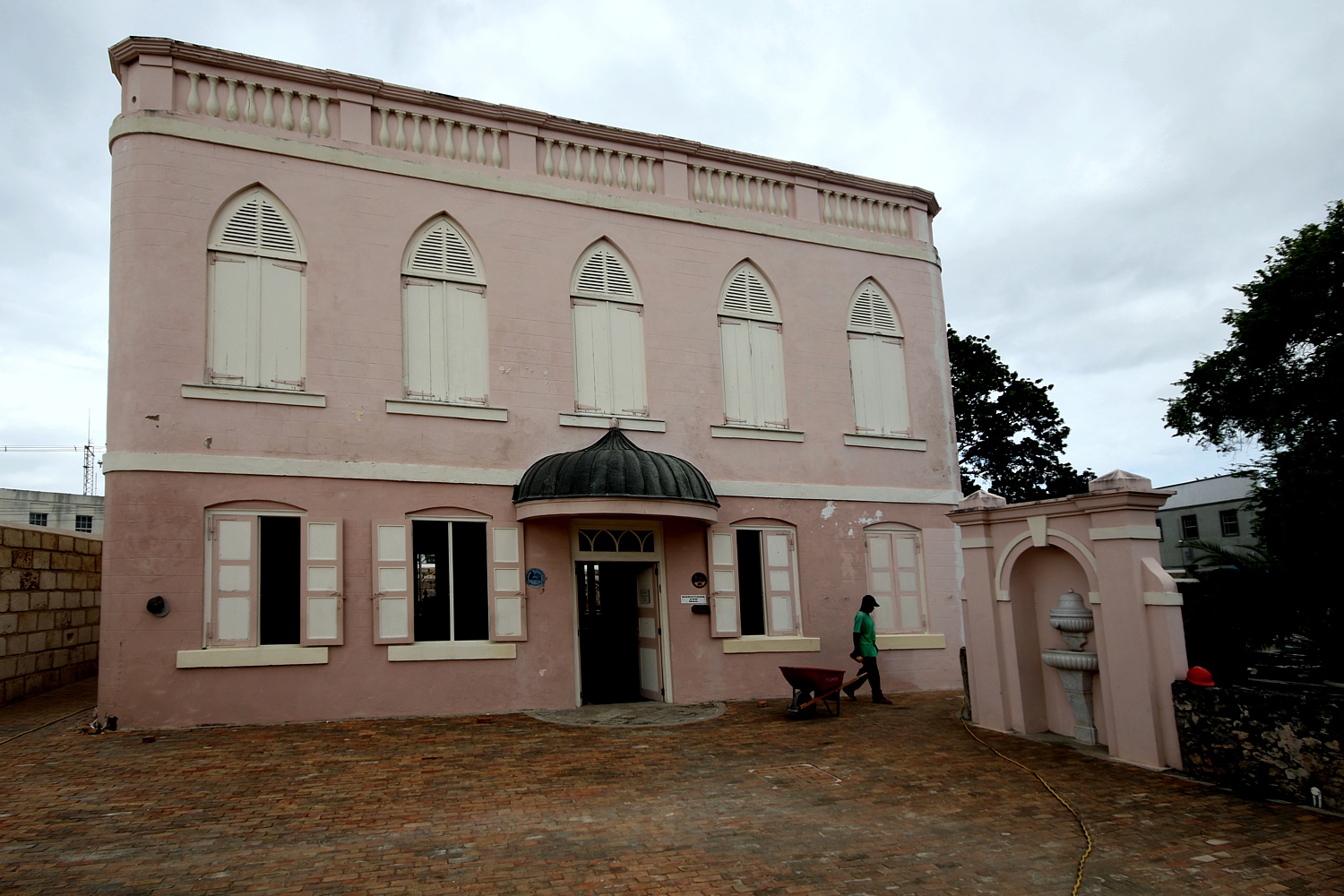

✡️Nidhe Israel Synagogue
One of the oldest synagogues in the Americas, dating to 1654.
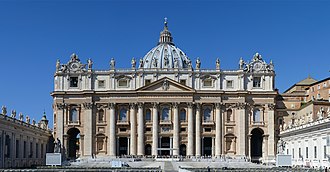
⛪Vatican City (St. Peter's Basilica)
The spiritual center of Roman Catholicism and home of the Pope.
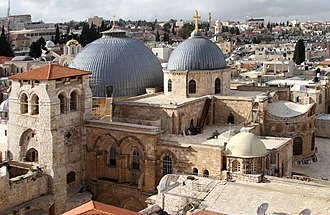
✝️Church of the Holy Sepulchre
The site where Jesus was crucified, buried, and resurrected.