⛪ Catedral da Sé (São Paulo)
Brazil
About This Sacred Site
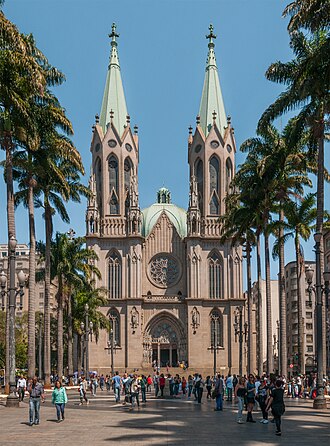
The Catedral da Sé (Metropolitan Cathedral of São Paulo) is one of the largest Neo-Gothic cathedrals in the world and a symbol of São Paulo's spiritual and civic life. Construction began in 1913 and was not fully completed until 1967, with its two 92-meter towers finished in 2002. The cathedral can hold 8,000 worshippers and features a remarkable 10,000-pipe Italian organ, one of the largest in Latin America. The crypt beneath the cathedral contains the remains of notable figures including Tibiriçá, the indigenous chief who supported the Portuguese colonizers and helped found São Paulo. The building combines Gothic forms with Renaissance details and is located at the geographic heart of the city.
History & Origins
Construction of the Catedral da Sé in São Paulo began in 1913 under the guidance of architect Maximilian Emil Hehl, who designed it in the Neo-Gothic style. Consecration occurred in 1954, although construction continued until 1967, with the cathedral's twin towers only completed in 2002. Its vast interior accommodates up to 8,000 worshippers, making it one of the largest Neo-Gothic cathedrals globally. The Italian organ installed in 1968 features 12,000 pipes and is among the largest organs in Latin America. Renovations in the 1980s included restoration of stained glass windows crafted in Munich. The cathedral is located at Praça da Sé, a historic city center site where São Paulo was founded in 1554. The square and cathedral complex underwent urban renewal in the late 20th century, enhancing pedestrian access and preserving the structure's integrity.
Spiritual Significance
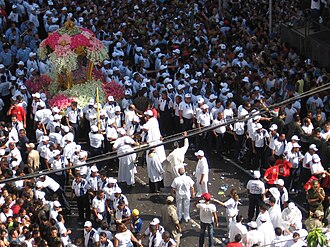
The cathedral serves as the archiepiscopal seat of the Roman Catholic Archdiocese of São Paulo, hosting major liturgical celebrations such as the feast of Saint Paul on January 25. Pilgrims engage in the annual Corpus Christi procession starting at the cathedral, reflecting the Eucharistic devotion emphasized in Catholic doctrine. Daily masses follow the Roman Missal, and the cathedral features chapels dedicated to saints including Saint Joseph and Our Lady of Aparecida, Brazil's patroness. The cathedral's design incorporates symbolic references to the Bible, such as pointed arches representing heaven and the cruciform floor plan signifying Christ's sacrifice. Confessions are held in multiple languages, accommodating São Paulo's diverse Catholic population. The cathedral also hosts the Chrism Mass during Holy Week, where oils consecrated by the archbishop are distributed to parishes, underscoring its central role in sacramental life.
Key Facts
- •One of the largest Neo-Gothic cathedrals in the world, holding 8,000 worshippers
- •Construction spanned from 1913 to 1967, with towers completed in 2002
- •The Italian organ contains approximately 10,000 pipes
- •The crypt houses the remains of indigenous chief Tibiriçá, who helped found São Paulo
- •Located at the geographic center of the city at Praça da Sé
Location
Coordinates: -23.5505, -46.6340
Frequently Asked Questions
What religion is Catedral da Sé (São Paulo) associated with?▾
Catedral da Sé (São Paulo) is a Christianity holy site located in Brazil. It was established 1913 (construction began), 1954 (consecrated) and is ranked #461 in our global directory of sacred sites.
When was Catedral da Sé (São Paulo) established?▾
Catedral da Sé (São Paulo) dates back to 1913 (construction began), 1954 (consecrated). One of the largest Neo-Gothic cathedrals in the world, holding 8,000 worshippers
How many people visit Catedral da Sé (São Paulo) each year?▾
Catedral da Sé (São Paulo) receives approximately 2+ million visitors per year. Construction spanned from 1913 to 1967, with towers completed in 2002
What is Catedral da Sé (São Paulo) known for?▾
One of the largest Neo-Gothic cathedrals in the world, in the heart of South America's biggest city. Visitors come seeking blessings, peace, guidance, pilgrimage. The Italian organ contains approximately 10,000 pipes
Related Holy Sites
Sacred places connected by country, religion, and purpose
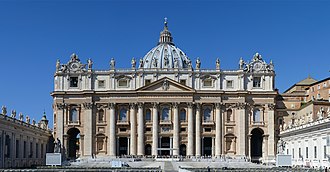
⛪Vatican City (St. Peter's Basilica)
The spiritual center of Roman Catholicism and home of the Pope.
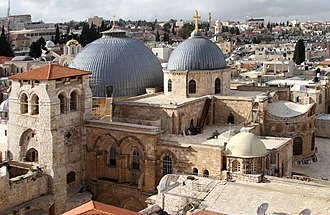
✝️Church of the Holy Sepulchre
The site where Jesus was crucified, buried, and resurrected.