
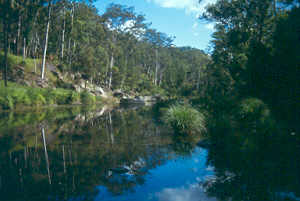
🌿 Carnarvon Gorge
Australia
About This Sacred Site
Carnarvon Gorge, in the central highlands of Queensland, is a spectacular 30-kilometer sandstone gorge containing some of the most significant Aboriginal rock art in eastern Australia. The Art Gallery, the largest site, stretches over 62 meters and contains over 2,000 individual stencils, paintings, and engravings created by the Bidjara and Karingbal peoples over thousands of years. The stencils include hands, boomerangs, eel-tail catfish, and other culturally significant items. Cathedral Cave, another major site, features additional art in a dramatic overhanging rock shelter. The gorge is an oasis of subtropical vegetation in otherwise dry country, which is why it held such importance as a meeting place and ceremonial ground.
History & Origins
Carnarvon Gorge, located in Queensland's central highlands, has been home to Aboriginal peoples for thousands of years and contains one of Australia's most significant collections of rock art. These galleries depict ancestral beings, ceremonies, and daily life, serving as a cultural and spiritual record. The gorge's sandstone cliffs and diverse ecosystems provided resources and shelter. European exploration began in the 19th century, but Indigenous custodianship continues to guide preservation. The site offers critical insights into Aboriginal heritage, cosmology, and ongoing connections to land and identity.
Spiritual Significance
Carnarvon Gorge has served as a sacred place for the Bidjara and Karingbal peoples for thousands of years, with the Art Gallery site extending over 62 meters and containing more than 2,000 individual stencils and paintings. These artworks depict ancestral beings, totemic animals, and ceremonial scenes integral to spiritual teachings and law. The Cathedral Cave, a prominent rock formation within the gorge, functions as a ceremonial chamber where initiation rites and seasonal rituals are conducted, often involving song and dance to invoke ancestral spirits. Pilgrims visiting the gorge engage in practices such as the application of ochre and the use of traditional instruments to connect with spiritual ancestors. The presence of rock art motifs related to the Rainbow Serpent reflects theological narratives about creation and water sources, vital for survival and spiritual balance in the region.
Key Facts
- •The Art Gallery stretches over 62 meters with more than 2,000 stencils and paintings
- •Created by the Bidjara and Karingbal peoples over thousands of years
- •Cathedral Cave provides a dramatic natural amphitheater for viewing rock art
- •The gorge's subtropical microclimate made it an important meeting and ceremonial site
- •Hand stencils were created by spraying ochre over hands pressed against the rock
Location
Coordinates: -25.0667, 148.2167
Frequently Asked Questions
What religion is Carnarvon Gorge associated with?▾
Carnarvon Gorge is a Indigenous holy site located in Australia. It was established Ancient (thousands of years of rock art) and is ranked #817 in our global directory of sacred sites.
When was Carnarvon Gorge established?▾
Carnarvon Gorge dates back to Ancient (thousands of years of rock art). The Art Gallery stretches over 62 meters with more than 2,000 stencils and paintings
How many people visit Carnarvon Gorge each year?▾
Carnarvon Gorge receives approximately 80,000 visitors per year. Created by the Bidjara and Karingbal peoples over thousands of years
What is Carnarvon Gorge known for?▾
A lush sandstone gorge in Queensland with extensive Aboriginal stencil art galleries. Visitors come seeking ancestral connection, healing, peace, meditation. Cathedral Cave provides a dramatic natural amphitheater for viewing rock art
Related Holy Sites
Sacred places connected by country, religion, and purpose
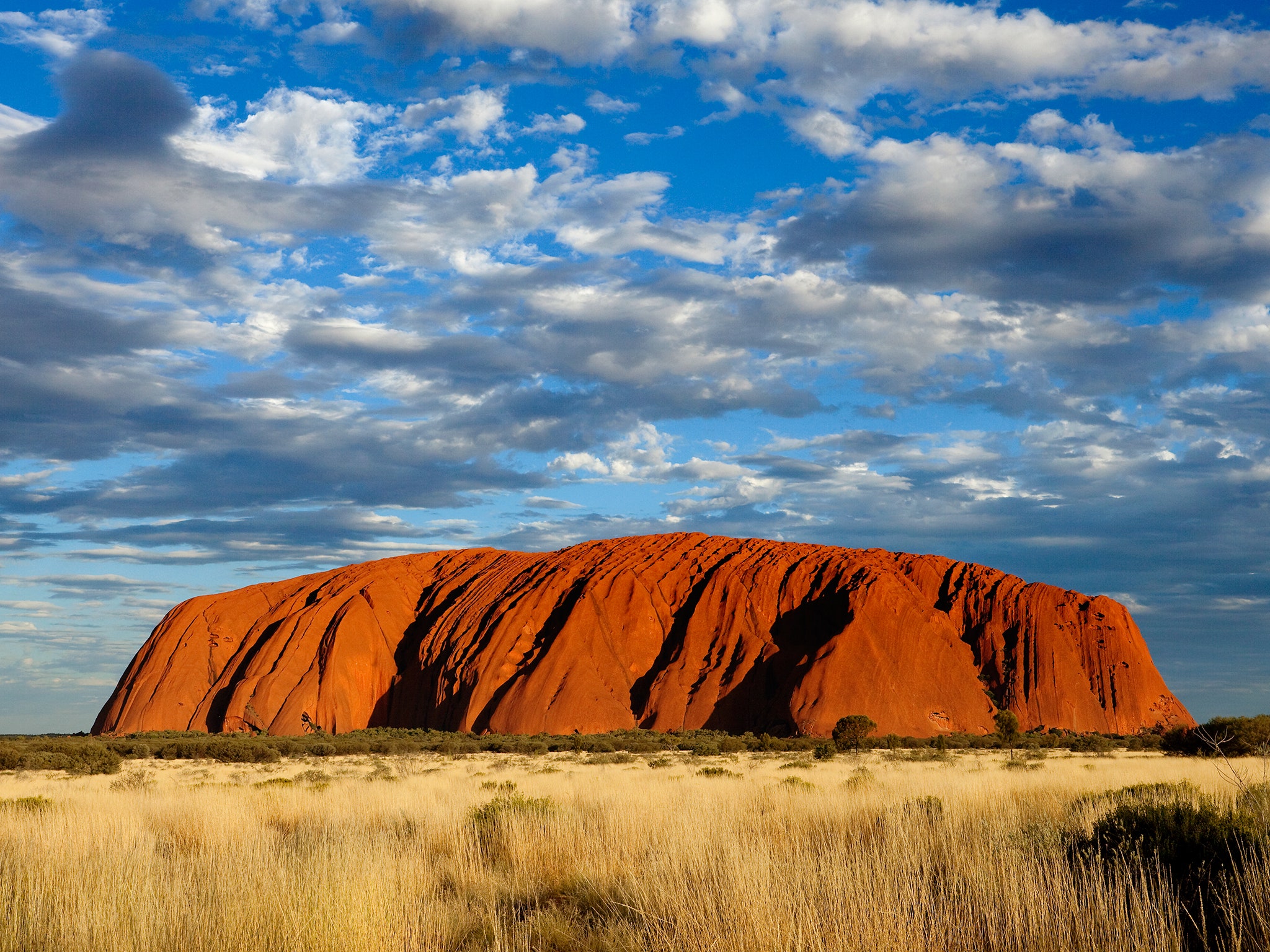
🪨Uluru (Ayers Rock)
A sacred monolith central to Aboriginal Australian creation stories.
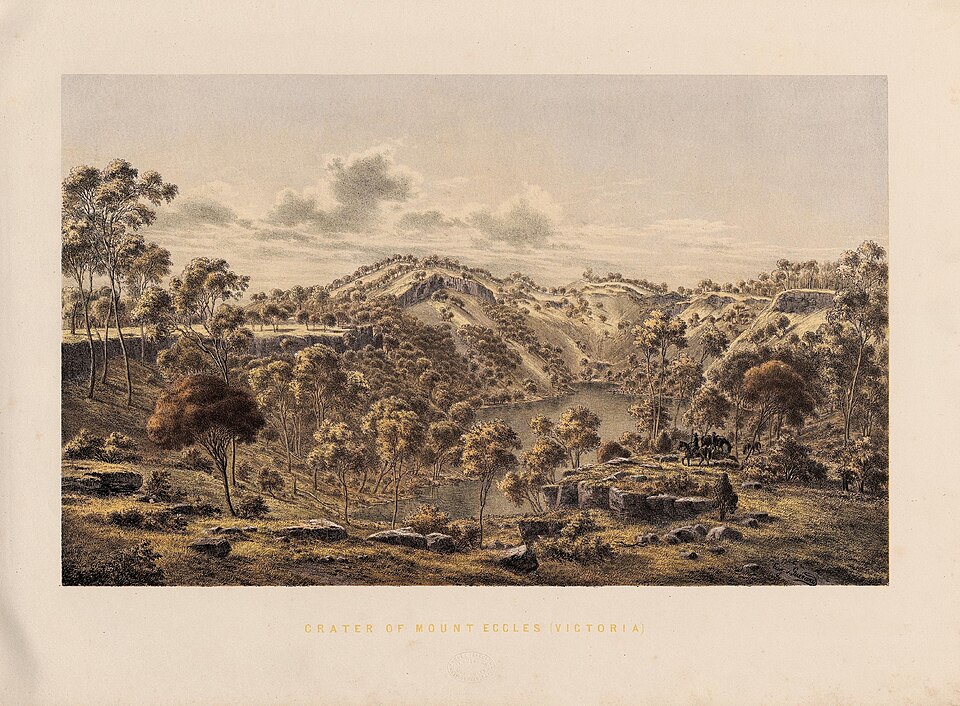
🌋Budj Bim Cultural Landscape
A 6,600-year-old Aboriginal aquaculture system, older than the Egyptian pyramids.
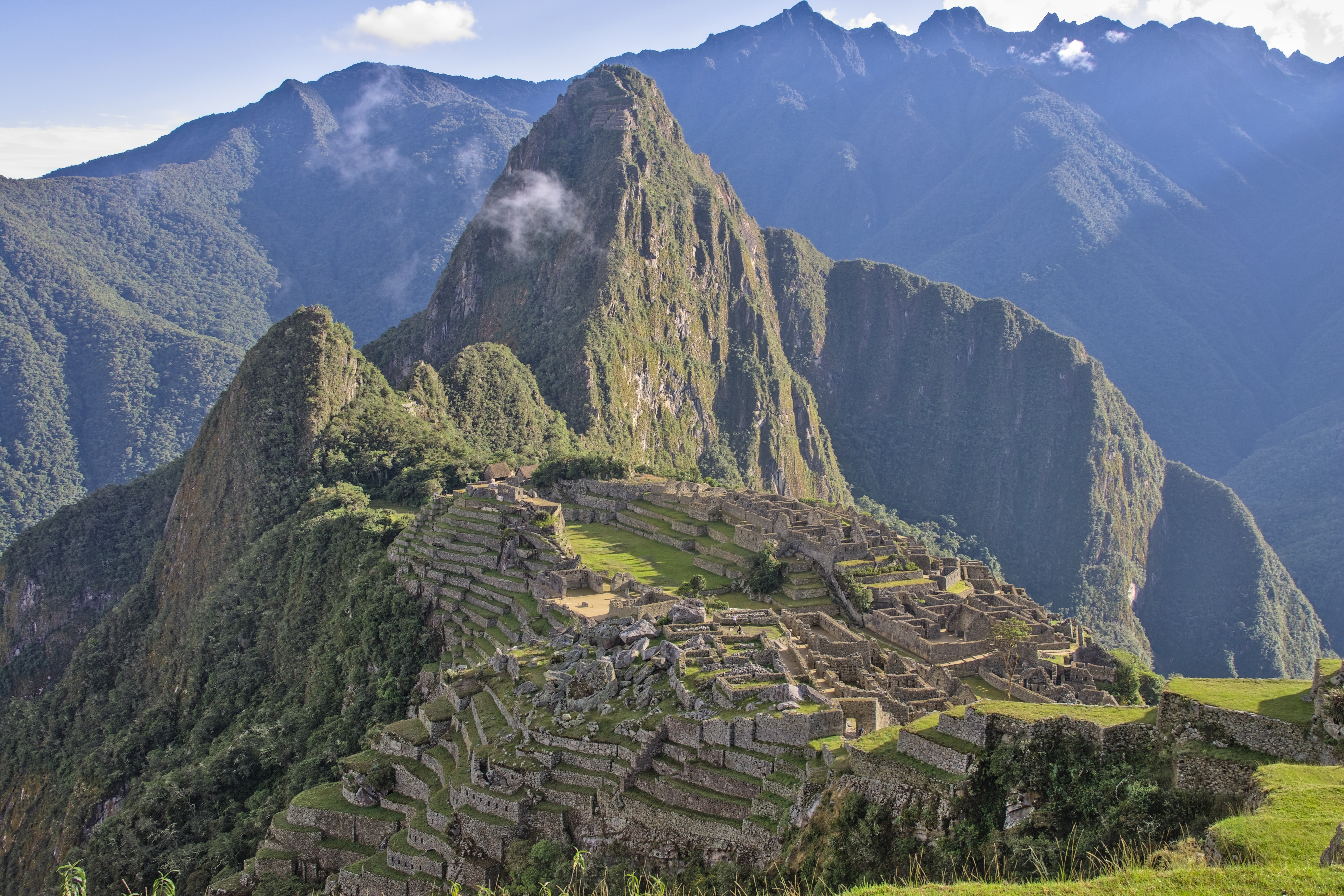
🏔️Machu Picchu
A sacred Inca citadel set high in the Andes, aligned with astronomical events.
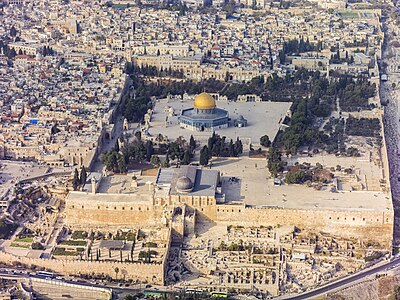
🕌Temple Mount / Al-Aqsa (Jerusalem)
Sacred to Judaism, Christianity, and Islam — the most contested holy site on Earth.
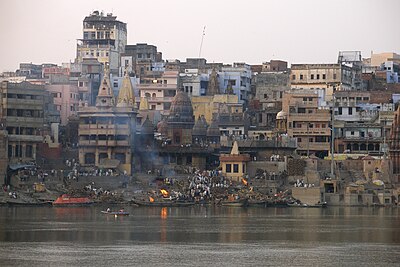
🙏Varanasi (Kashi Vishwanath Temple)
The holiest city in Hinduism, where the Ganges River purifies the soul.

