⛪ Canterbury Cathedral
United Kingdom
About This Sacred Site
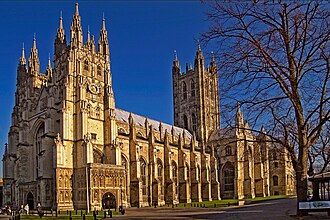
Canterbury Cathedral is the mother church of the worldwide Anglican Communion and the seat of the Archbishop of Canterbury. It became England's greatest pilgrimage site after the murder of Archbishop Thomas Becket in 1170 by knights of Henry II. The shrine of St. Thomas attracted pilgrims for centuries, famously immortalized in Chaucer's Canterbury Tales. The cathedral's architecture spans from the Norman crypt to the magnificent Gothic nave, and its stained-glass windows include some of the oldest in England.
History & Origins
Founded in 597 CE by Augustine of Canterbury, Canterbury Cathedral is the mother church of the Anglican Communion and seat of the Archbishop of Canterbury. It became England’s premier pilgrimage site after the 1170 murder of Archbishop Thomas Becket, whose shrine attracted devotees until its destruction during the Reformation. The cathedral has undergone numerous architectural phases, including Norman, Gothic, and Victorian restorations. It survived bombings in World War II and continues as a religious, historical, and cultural icon, symbolizing English Christianity and ecclesiastical authority.
Spiritual Significance
Founded in 597 CE by Augustine of Canterbury, the cathedral became the epicenter of English Christianity and the seat of the Archbishop of Canterbury, the principal leader of the Church of England. The martyrdom of Archbishop Thomas Becket on December 29, 1170, consecrated the cathedral as a pilgrimage site, with the Shrine of Thomas Becket attracting medieval pilgrims following ritual processions and prayers for intercession. The site features daily choral evensong and the celebration of the Feast of Saint Thomas Becket on December 29, commemorating his martyrdom. Geoffrey Chaucer's Canterbury Tales, composed around 1400, immortalized the cathedral as a pilgrimage destination, reflecting the spiritual practice of journeying for penance and grace. The cathedral's Gothic architecture, particularly the choir rebuilt after the 1174 fire, enhances the liturgical atmosphere through stained glass windows depicting biblical scenes and saints, illustrating the theological narrative embraced by pilgrims and the clergy.
Key Facts
- •UNESCO World Heritage Site since 1988
- •Archbishop Thomas Becket was murdered in the cathedral on December 29, 1170
- •Chaucer's Canterbury Tales (c. 1400) immortalized pilgrimages to Becket's shrine
- •Henry VIII destroyed Becket's shrine in 1538 during the dissolution
- •The cathedral has been the seat of the Archbishop of Canterbury since 597 CE
Location
Coordinates: 51.2798, 1.0830
Frequently Asked Questions
What religion is Canterbury Cathedral associated with?▾
Canterbury Cathedral is a Christianity holy site located in United Kingdom. It was established 597 CE and is ranked #106 in our global directory of sacred sites.
When was Canterbury Cathedral established?▾
Canterbury Cathedral dates back to 597 CE. UNESCO World Heritage Site since 1988
How many people visit Canterbury Cathedral each year?▾
Canterbury Cathedral receives approximately 1.2 million visitors per year. Archbishop Thomas Becket was murdered in the cathedral on December 29, 1170
What is Canterbury Cathedral known for?▾
The mother church of Anglicanism and England's premier pilgrimage destination since the murder of Thomas Becket. Visitors come seeking pilgrimage, forgiveness, healing, spiritual enlightenment. Chaucer's Canterbury Tales (c. 1400) immortalized pilgrimages to Becket's shrine
Related Holy Sites
Sacred places connected by country, religion, and purpose
🪨Stonehenge
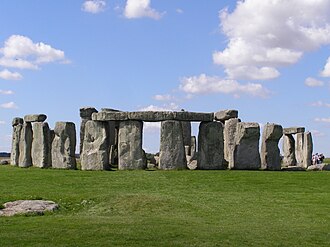
A prehistoric monument aligned with celestial events, shrouded in mystery.
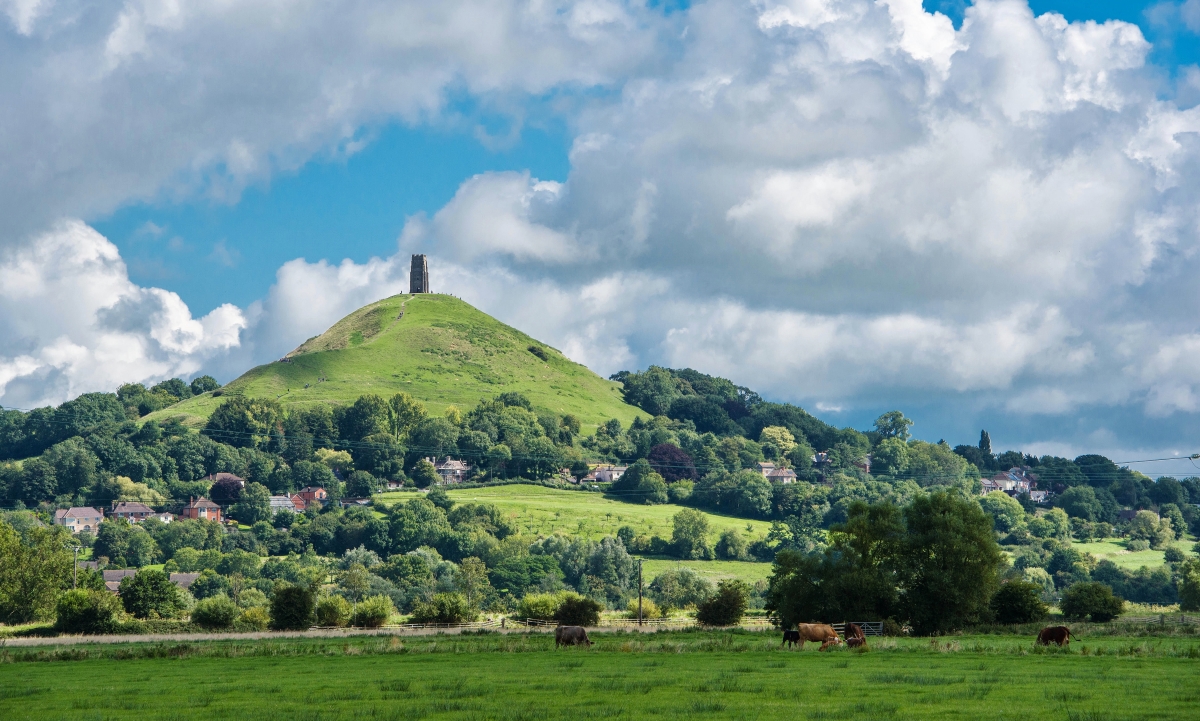
🗼Glastonbury Tor
A mystical hill linked to Arthurian legend and ancient Celtic spirituality.
⛪Vatican City (St. Peter's Basilica)
The spiritual center of Roman Catholicism and home of the Pope.
✝️Church of the Holy Sepulchre
The site where Jesus was crucified, buried, and resurrected.