⛪ Basilica of Our Lady of the Miracles, Caacupé
Paraguay
About This Sacred Site
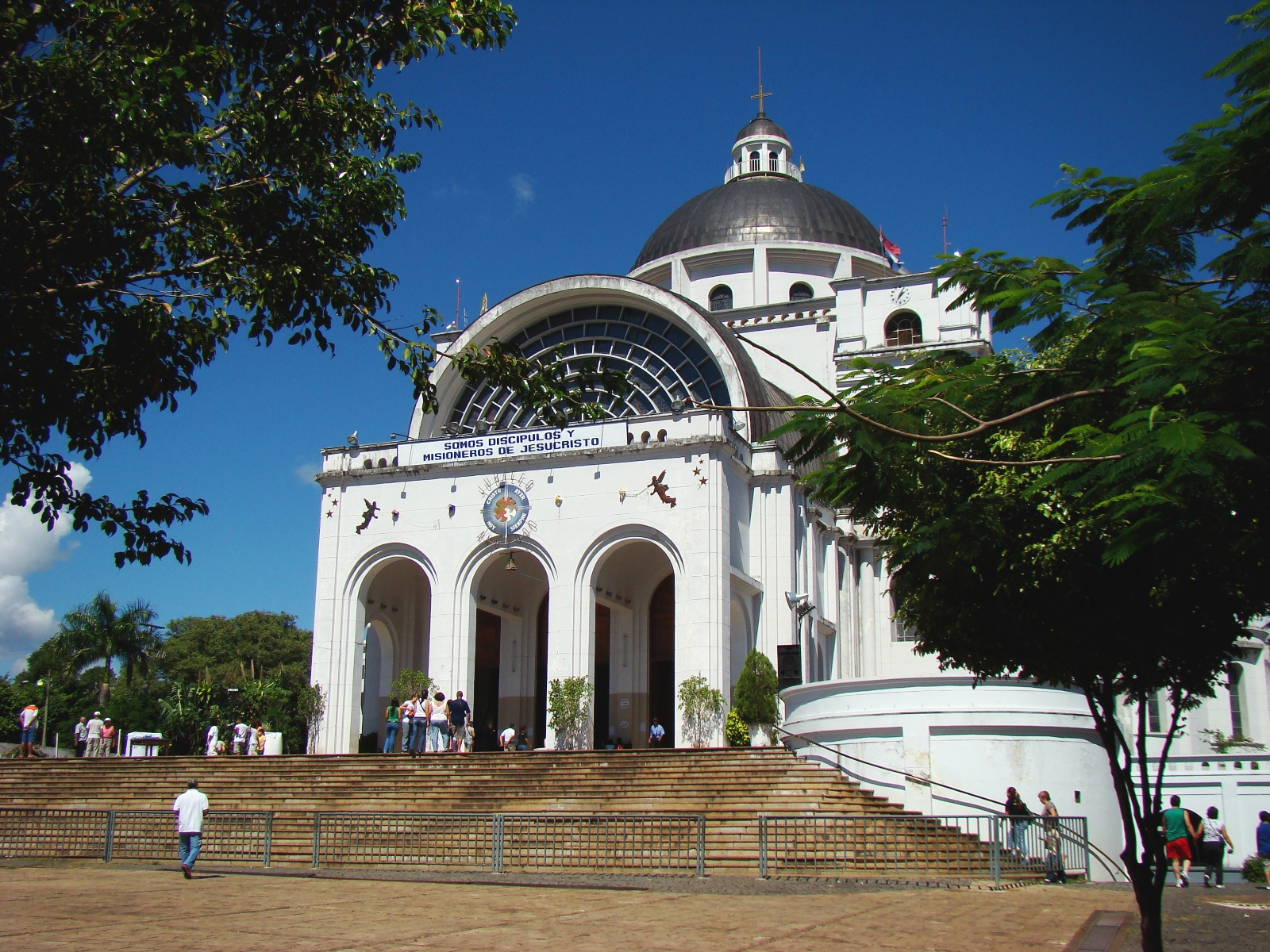
The Basilica of Our Lady of the Miracles of Caacupé is the most important Catholic pilgrimage site in Paraguay. The devotion to the Virgin of Caacupé dates to the 16th century, when a Guaraní convert reportedly carved a statue of the Virgin that miraculously survived a flood. The current modern basilica, designed to hold 5,000 worshippers, was consecrated in 1988. Every December 8, the Feast of the Immaculate Conception draws up to 2 million pilgrims to Caacupé, making it the largest religious gathering in Paraguay.
History & Origins
Devotion to Our Lady of the Miracles in Caacupé dates back to the 16th century, originating with a Guaraní convert who attributed miraculous healing to a Marian image brought by Spanish missionaries. The modern basilica was consecrated in 1988 under the episcopacy of Bishop Felipe Santiago Benítez Avalos, constructed to accommodate growing pilgrim numbers. This basilica replaced earlier chapels built during the colonial period and has undergone multiple renovations to preserve its Neo-Gothic elements, including stained glass windows depicting Marian apparitions. Annually, up to two million pilgrims visit during the December 8 feast day, Paraguay's national holiday, marking the Immaculate Conception. The basilica's design incorporates a large dome and twin towers, symbolizing the heavens and the church's spiritual authority, reflecting architectural trends in late 20th-century ecclesiastical constructions in South America.
Spiritual Significance
Recognized as Paraguay's most important Catholic pilgrimage site, the basilica anchors devotion to the Immaculate Conception, celebrated on December 8 with a novena beginning November 29, involving daily prayers and processions. The pilgrimage tradition includes walking from distant towns to the basilica, reflecting penitential practices inspired by scriptural teachings in Philippians 3:14 on striving toward the heavenly call. The basilica houses the revered image of the Virgin Mary, believed to perform miracles, encouraging devotions such as the Rosary and Eucharistic adoration. Liturgies incorporate Guaraní hymns alongside Latin chants, emphasizing inculturation in worship. The basilica is also a center for Marian theology studies and hosts annual conferences on Marian spirituality, underscoring its significance in fostering Catholic identity in Paraguay.
Key Facts
- •Paraguay's most important Catholic pilgrimage site
- •The devotion dates to a 16th-century Guaraní convert's miracle
- •The modern basilica was consecrated in 1988
- •Up to 2 million pilgrims visit on December 8 each year
- •The Virgin of Caacupé is the patroness of Paraguay
Location
Coordinates: -25.3867, -57.1408
Frequently Asked Questions
What religion is Basilica of Our Lady of the Miracles, Caacupé associated with?▾
Basilica of Our Lady of the Miracles, Caacupé is a Christianity holy site located in Paraguay. It was established 16th century (devotion); 1988 (basilica) and is ranked #162 in our global directory of sacred sites.
When was Basilica of Our Lady of the Miracles, Caacupé established?▾
Basilica of Our Lady of the Miracles, Caacupé dates back to 16th century (devotion); 1988 (basilica). Paraguay's most important Catholic pilgrimage site
How many people visit Basilica of Our Lady of the Miracles, Caacupé each year?▾
Basilica of Our Lady of the Miracles, Caacupé receives approximately 2 million visitors per year. The devotion dates to a 16th-century Guaraní convert's miracle
What is Basilica of Our Lady of the Miracles, Caacupé known for?▾
Paraguay's national shrine and the most important pilgrimage site in the country. Visitors come seeking healing, miracles, pilgrimage, blessings. The modern basilica was consecrated in 1988
Related Holy Sites
Sacred places connected by country, religion, and purpose
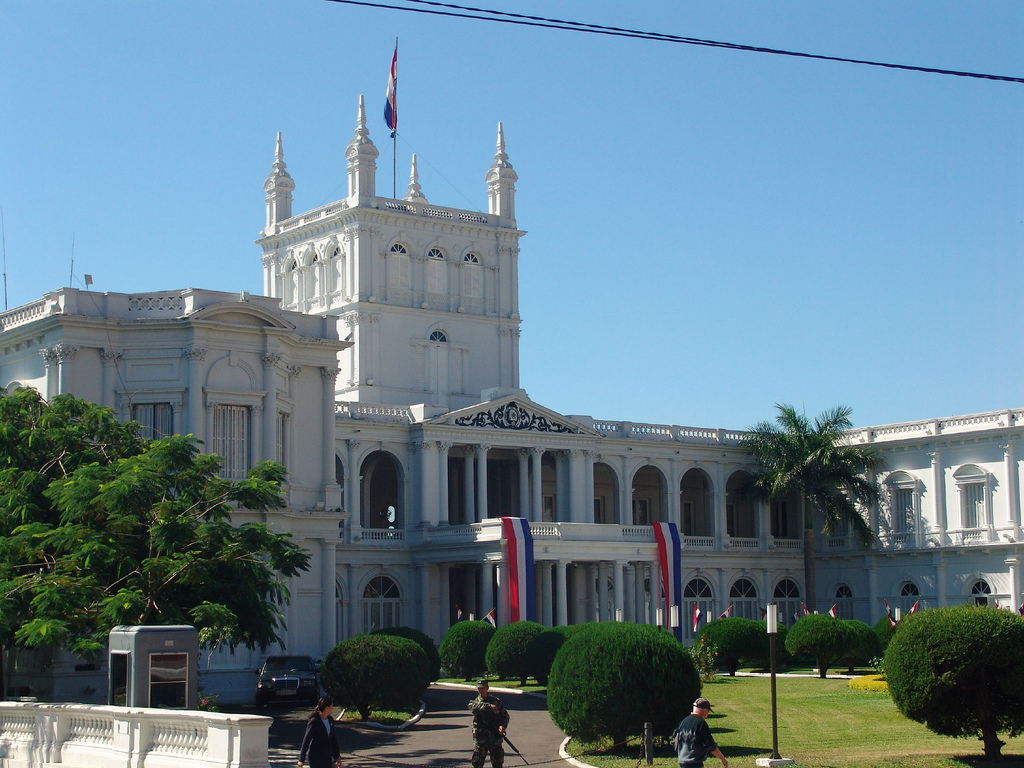
⛪Metropolitan Cathedral of Asunción
The Neoclassical cathedral of Paraguay's capital, dating to the colonial era.
⛪Vatican City (St. Peter's Basilica)
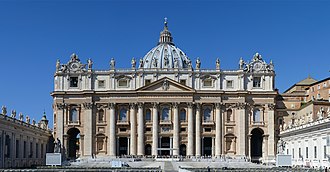
The spiritual center of Roman Catholicism and home of the Pope.
✝️Church of the Holy Sepulchre
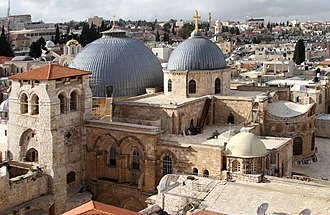
The site where Jesus was crucified, buried, and resurrected.