✝️ Sanctuary of Bom Jesus de Matosinhos
Portugal
About This Sacred Site
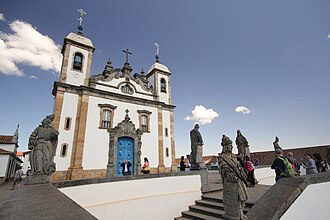
The Church of Bom Jesus de Matosinhos in the Porto suburb of Matosinhos houses a venerated wooden crucifix that tradition claims was carved by Nicodemus, who helped take down the body of Christ. The legend says the crucifix was brought to this shore by the sea, and the church was built where it washed up. The Senhor de Matosinhos has been venerated for centuries and is the object of one of northern Portugal's largest religious festivals, held in June. The church was rebuilt in its current Baroque form in the 18th century and remains an active center of devotion and maritime blessing.
History & Origins
According to tradition dating to around the 10th century, the sanctuary originated when a crucifix, believed to have been carved by Nicodemus, washed ashore near Matosinhos. The site developed around this relic, with documented patronage by local nobility during the medieval period. The current church structure was extensively renovated in the 18th century, incorporating Baroque architectural elements, including ornate retables and gilded woodwork. The June festival of Senhor de Matosinhos is historically recorded since at least the 17th century, marking it as one of northern Portugal's most significant religious celebrations. The sanctuary has undergone preservation efforts in the 20th century, ensuring the conservation of its art and structural integrity. The site has maintained continuous liturgical functions, adapting over centuries to evolving ecclesiastical directives from the Portuguese episcopate.
Spiritual Significance
The sanctuary's crucifix is venerated as a relic tied to Nicodemus, attracting pilgrims who seek healing through prayer and touching the wooden figure, particularly during the annual June festival. Devotees participate in processions and masses dedicated to Senhor de Matosinhos, reflecting a syncretism of medieval and Baroque devotional practices. The sanctuary fosters penitential rites, including the Way of the Cross along designated paths, and encourages the recitation of the Litany of the Holy Cross. Theologically, the site emphasizes the Passion narrative and the role of Nicodemus as a secret disciple, as depicted in John 19:39, underscoring themes of faith and redemption. Pilgrimages often involve collective singing of traditional Portuguese hymns and the sharing of testimonies regarding miracles attributed to the crucifix. The sanctuary serves as a pilgrimage destination within the Northern Portugal religious calendar, linking local tradition with wider Catholic devotional patterns.
Key Facts
- •Tradition holds the crucifix was carved by Nicodemus and washed ashore here
- •The June festival of Senhor de Matosinhos is one of northern Portugal's biggest celebrations
- •The church has been rebuilt multiple times, with the current Baroque form dating to the 18th century
- •Fishermen traditionally ask for blessings at the church before setting out to sea
- •The Senhor de Matosinhos crucifix is considered one of Portugal's most venerated images
Location
Coordinates: 41.1879, -8.6785
Frequently Asked Questions
What religion is Sanctuary of Bom Jesus de Matosinhos associated with?▾
Sanctuary of Bom Jesus de Matosinhos is a Christianity holy site located in Portugal. It was established c. 10th century (traditional) and is ranked #288 in our global directory of sacred sites.
When was Sanctuary of Bom Jesus de Matosinhos established?▾
Sanctuary of Bom Jesus de Matosinhos dates back to c. 10th century (traditional). Tradition holds the crucifix was carved by Nicodemus and washed ashore here
How many people visit Sanctuary of Bom Jesus de Matosinhos each year?▾
Sanctuary of Bom Jesus de Matosinhos receives approximately 200,000 visitors per year. The June festival of Senhor de Matosinhos is one of northern Portugal's biggest celebrations
What is Sanctuary of Bom Jesus de Matosinhos known for?▾
A seaside church in Matosinhos housing a legendary crucifix said to have been carved by Nicodemus. Visitors come seeking healing, miracles, pilgrimage, protection. The church has been rebuilt multiple times, with the current Baroque form dating to the 18th century
Related Holy Sites
Sacred places connected by country, religion, and purpose
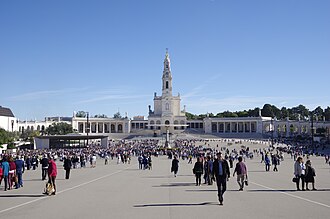
✨Sanctuary of Fátima
Where three shepherd children witnessed apparitions of the Virgin Mary in 1917.
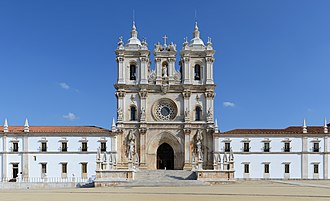
🏛️Alcobaça Monastery
The first Gothic building in Portugal and a Cistercian monastery of austere beauty.
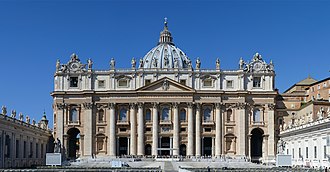
⛪Vatican City (St. Peter's Basilica)
The spiritual center of Roman Catholicism and home of the Pope.
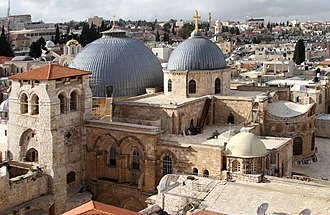
✝️Church of the Holy Sepulchre
The site where Jesus was crucified, buried, and resurrected.