🕌 Berat Historic Mosques
Albania
About This Sacred Site
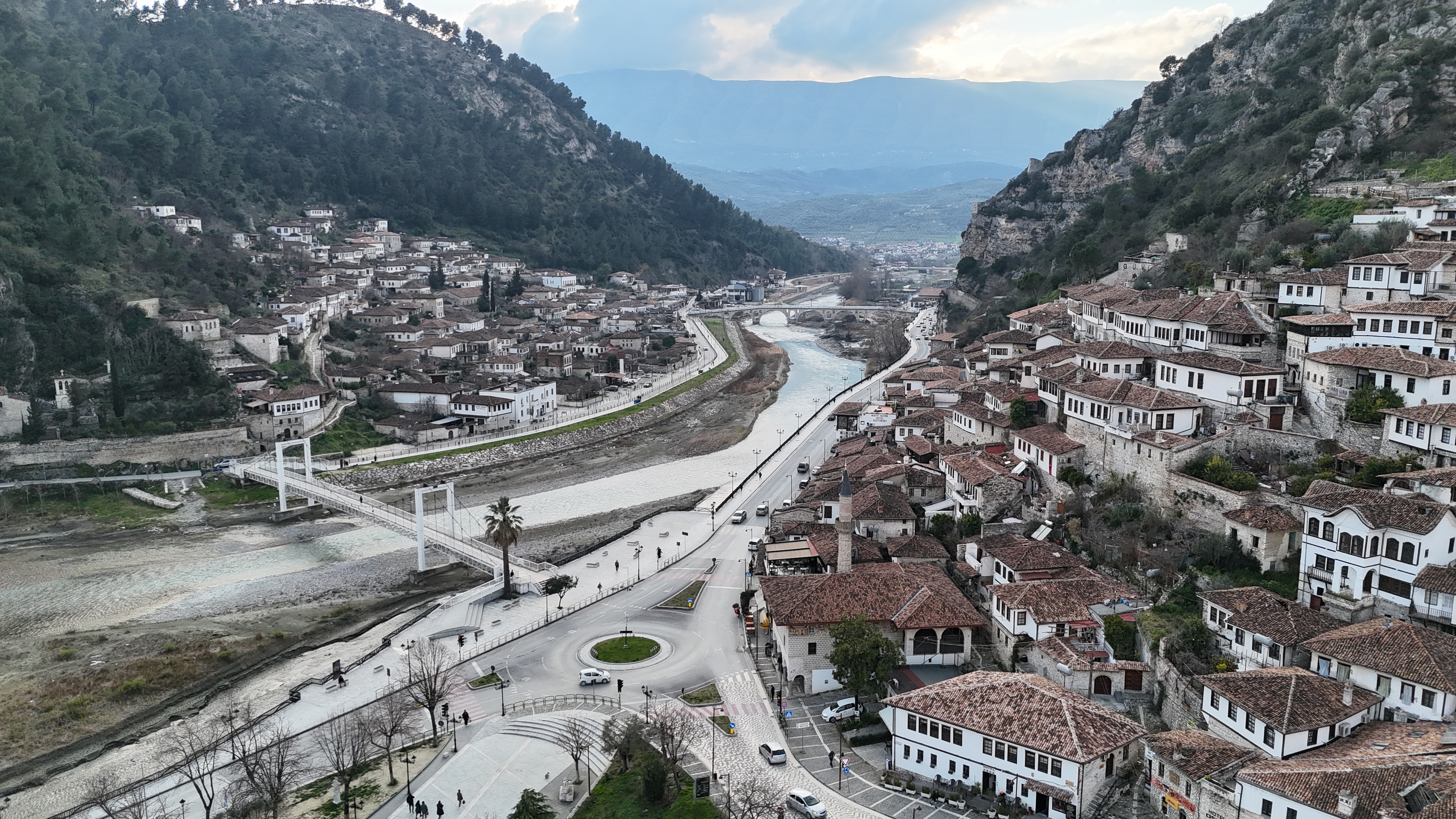
Berat Historic Mosques in Albania are integral to the city’s Ottoman-era urban fabric, contributing to its UNESCO World Heritage status. Notable mosques, such as the King’s Mosque and Lead Mosque, exhibit classic Ottoman architecture with their domes, minarets, and elegant interior decoration. These mosques reflect Berat’s multicultural history and religious diversity, standing amidst the city’s famed white Ottoman houses and Byzantine churches, symbolizing centuries of coexistence.
History & Origins
Berat’s mosques date back to the 15th century, with the King’s Mosque constructed under the reign of Sultan Mehmed II, marking the Ottoman expansion into Albania. The Lead Mosque, built in 1555 by Ahmet Bej Uzgurliu, features a distinctive dome covered in lead plates, a rare architectural choice in the region, contributing to its preservation. Berat was designated a UNESCO World Heritage Site in 2008 due to this rich collection of Ottoman-era religious architecture. The mosques underwent restoration in the early 21st century to repair structural damages incurred during the Balkan Wars and communist-era neglect. These sites continue to function as active places of worship and cultural heritage landmarks.
Spiritual Significance
The mosques serve as focal points for Islamic worship in Berat, hosting daily salah prayers according to the Hanafi madhhab. The King’s Mosque is central to Eid al-Fitr and Eid al-Adha celebrations, where large congregational prayers and communal meals occur. The Lead Mosque is renowned for its special Friday sermons referencing the Quranic Surah Al-Fatiha and Hadith traditions, attracting worshippers from across the region. Pilgrims participate in the ritual ablution pools within the mosque courtyards before entering prayer halls, emphasizing purification rites integral to Islamic practice. These mosques also host Mawlid celebrations honoring the Prophet Muhammad’s birth, featuring recitations of the Quran and traditional Albanian Islamic poetry.
Key Facts
- •Berat is a UNESCO World Heritage Site since 2008
- •The King's Mosque dates to the 15th century
- •The Lead Mosque features a distinctive lead-covered dome
- •Berat also contains important Byzantine churches alongside its mosques
- •Known as the 'City of a Thousand Windows' for its Ottoman houses
Location
Coordinates: 40.7058, 19.9522
Frequently Asked Questions
What religion is Berat Historic Mosques associated with?▾
Berat Historic Mosques is a Islam holy site located in Albania. It was established 15th century and is ranked #175 in our global directory of sacred sites.
When was Berat Historic Mosques established?▾
Berat Historic Mosques dates back to 15th century. Berat is a UNESCO World Heritage Site since 2008
How many people visit Berat Historic Mosques each year?▾
Berat Historic Mosques receives approximately 300,000 visitors per year. The King's Mosque dates to the 15th century
What is Berat Historic Mosques known for?▾
Ottoman-era mosques in Berat, the UNESCO-listed 'City of a Thousand Windows.' Visitors come seeking pilgrimage, peace, spiritual enlightenment. The Lead Mosque features a distinctive lead-covered dome
Related Holy Sites
Sacred places connected by country, religion, and purpose