
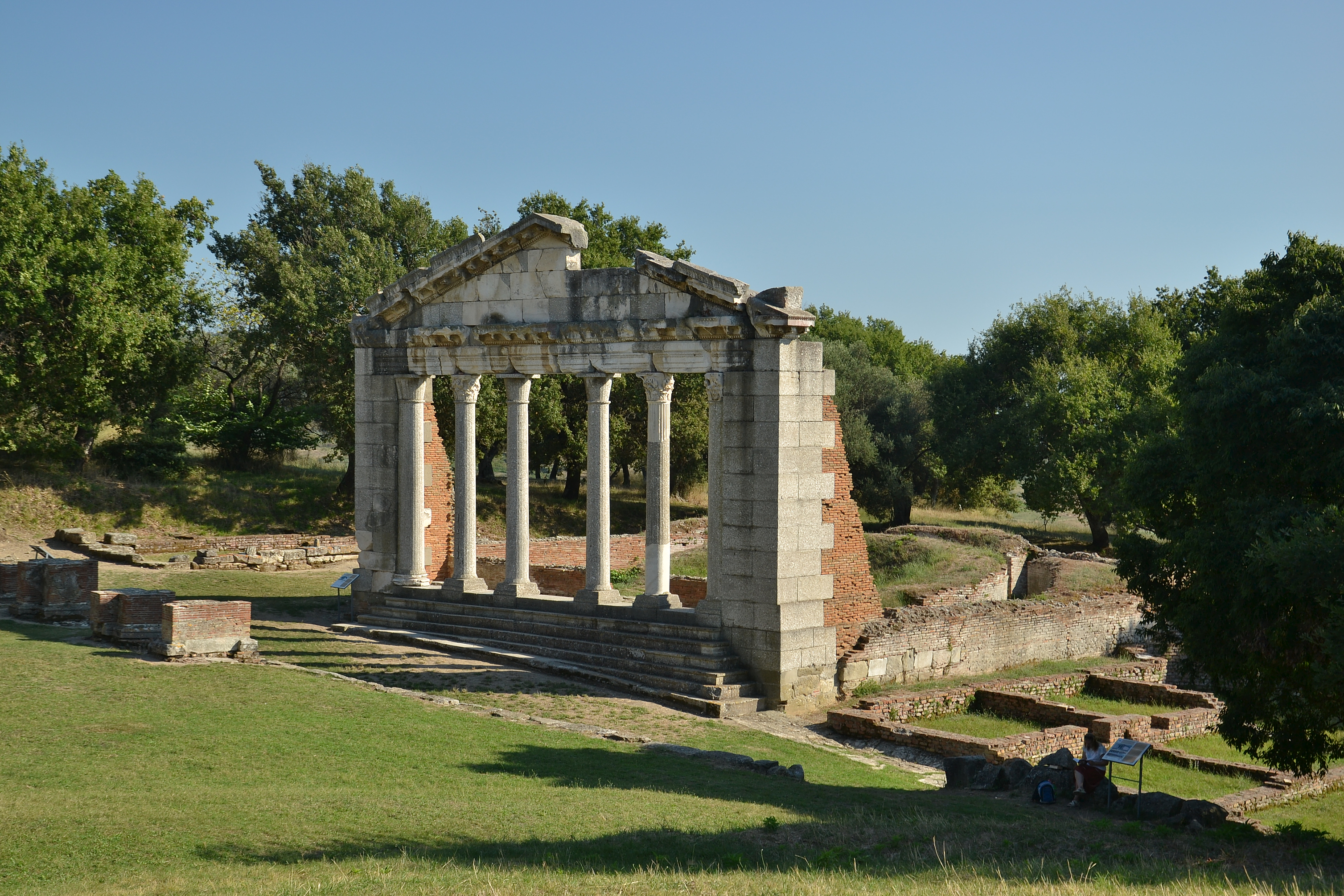
🏛️ Apollonia Archaeological Park
Albania
About This Sacred Site
Apollonia Archaeological Park preserves the ruins of an ancient Greek colony founded in 588 BCE on Albania’s Adriatic coast. Dedicated to Apollo, the site includes remains of temples, a theater, and a forum, illustrating its importance as a cultural and economic center in antiquity. The well-preserved ruins offer insights into Hellenistic, Roman, and early Christian periods, making it a key destination for archaeology and history enthusiasts.
History & Origins
Founded in 588 BCE by Greek colonists from Corinth and Corfu, Apollonia Archaeological Park was named after the god Apollo and became a major center of Hellenistic culture in Illyria. The city flourished under Roman rule, especially during the 2nd century BCE, serving as a key port and trade hub. A significant temple dedicated to Apollo once stood on the site, reflecting its religious importance. The future Emperor Augustus studied philosophy in the city during the late 1st century BCE, indicating its status as a center of learning. Decline began in the 3rd century CE due to economic and political instability, and the area suffered damage from earthquakes in later centuries. Archaeological excavations in the 20th century uncovered the agora, theater, and basilica, with ongoing restorations preserving remnants of Roman forums and Greek temples, making it one of Albania's most important ancient sites.
Spiritual Significance
As a sanctuary dedicated to Apollo, the site hosted rituals honoring the god of light and prophecy, including sacrifices and oracular consultations recorded in ancient inscriptions. Festivals such as the Pythian Games, similar to those at Delphi, were likely celebrated here, integrating athletic competitions with religious ceremonies. Pilgrims in antiquity would ascend to the temple's altar to seek Apollo's guidance through priestesses or diviners. The philosophical teachings of the Peripatetic school, influenced by Aristotle, were prominent due to the city's educational reputation, attracting students like Augustus. Modern interest in the site includes neo-pagan ceremonies commemorating Apollo's heritage and archaeological pilgrimages inspired by classical texts like Pliny the Elder's Natural History and Pausanias' Description of Greece.
Key Facts
- •Founded in 588 BCE by Greek colonists from Corinth and Corfu
- •Named after the god Apollo and once housed a major temple to him
- •The future Emperor Augustus studied philosophy here
- •Contains remains of a bouleuterion, odeon, and stoa
- •The adjacent monastery houses an important archaeological museum
Location
Coordinates: 40.7231, 19.4703
Frequently Asked Questions
What religion is Apollonia Archaeological Park associated with?▾
Apollonia Archaeological Park is a Ancient/Pagan holy site located in Albania. It was established 588 BCE and is ranked #402 in our global directory of sacred sites.
When was Apollonia Archaeological Park established?▾
Apollonia Archaeological Park dates back to 588 BCE. Founded in 588 BCE by Greek colonists from Corinth and Corfu
How many people visit Apollonia Archaeological Park each year?▾
Apollonia Archaeological Park receives approximately 80,000 visitors per year. Named after the god Apollo and once housed a major temple to him
What is Apollonia Archaeological Park known for?▾
Ruins of an ancient Greek city sacred to the god Apollo. Visitors come seeking spiritual enlightenment, ancestral connection, meditation. The future Emperor Augustus studied philosophy here
Related Holy Sites
Sacred places connected by country, religion, and purpose
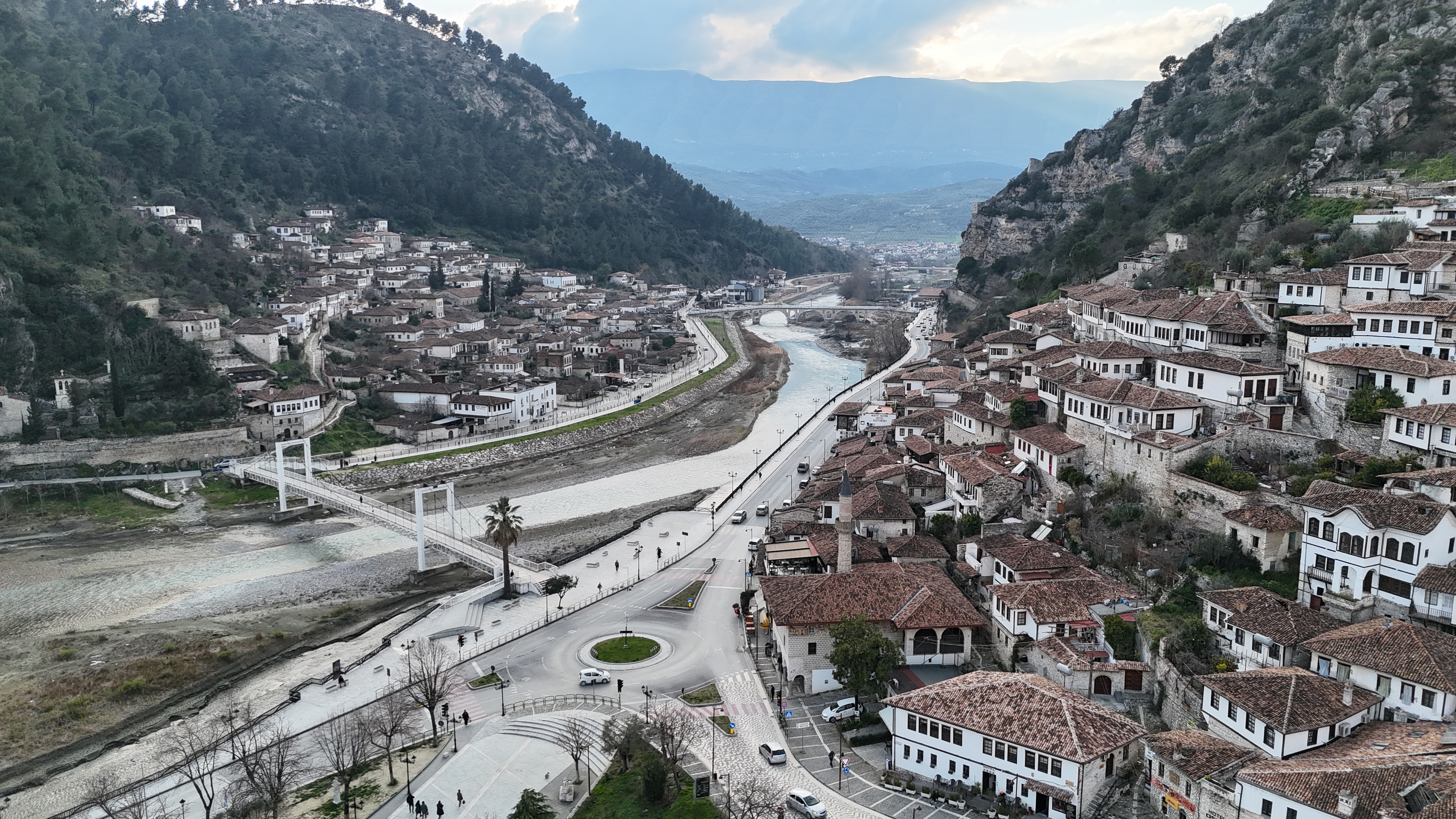

🕌Berat Historic Mosques
Ottoman-era mosques in Berat, the UNESCO-listed 'City of a Thousand Windows.'
🪨Stonehenge
A prehistoric monument aligned with celestial events, shrouded in mystery.
🏛️Chichen Itza (Temple of Kukulkan)
Ancient Maya pyramid where a shadow serpent descends during equinoxes.
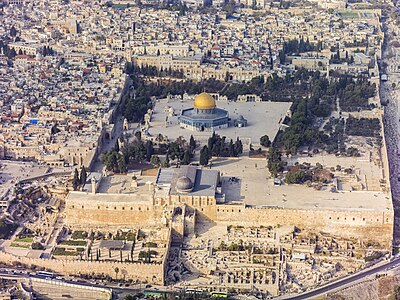
🕌Temple Mount / Al-Aqsa (Jerusalem)
Sacred to Judaism, Christianity, and Islam — the most contested holy site on Earth.
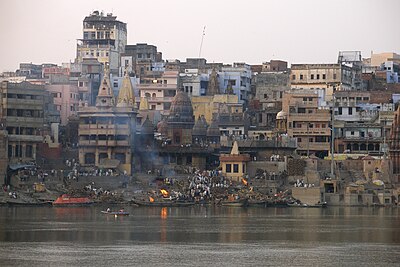
🙏Varanasi (Kashi Vishwanath Temple)
The holiest city in Hinduism, where the Ganges River purifies the soul.

