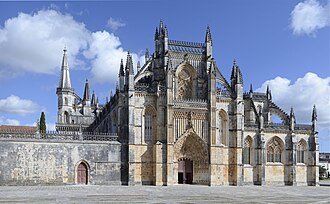
⚔️ Batalha Monastery
Portugal
About This Sacred Site
The Monastery of Batalha (Battle) is one of the finest examples of Late Gothic architecture in Portugal, built to commemorate the Portuguese victory at the Battle of Aljubarrota in 1385, which secured the nation's independence from Castile. King João I vowed to build it if the Virgin Mary granted victory. The monastery took over two centuries to complete and showcases the evolution from Gothic to Manueline styles. The Unfinished Chapels (Capelas Imperfeitas), an octagonal structure open to the sky, are among the most hauntingly beautiful spaces in European architecture.
History & Origins
Commissioned by King João I in 1386 to fulfill a vow after his victory at the Battle of Aljubarrota in 1385, the monastery symbolizes Portugal’s independence and dynastic legitimacy. Construction began in 1386 under architect Afonso Domingues and continued through various phases with contributions by Huguet and Mateus Fernandes, who introduced intricate Gothic and Manueline elements. The Unfinished Chapels, left incomplete after the death of King Duarte in 1438, exhibit open ceilings that reveal the original plans for expansion halted by political and economic challenges. The monastery was designated a UNESCO World Heritage Site in 1983, reflecting its architectural and historic value. Over centuries, it has undergone restoration to preserve its royal pantheon, cloisters, and the Founder's Chapel, which houses the tombs of King João I and Philippa of Lancaster.
Spiritual Significance
Built as a votive offering, the complex serves as a monument to divine intervention credited for Portugal’s victory at Aljubarrota, embodying medieval Christian notions of sanctified kingship. The Founder's Chapel contains royal tombs where masses are offered to honor deceased monarchs, reinforcing the link between monarchy and faith. The monastery hosts liturgical celebrations during the Feast of Saint Mary on August 15, integrating solemn chants of the Liturgy of the Hours in its acoustically remarkable chapter house. Pilgrims often engage in contemplative walks through the cloisters, designed to represent the Garden of Eden, fostering reflection on spiritual renewal. The site’s architecture, including the intricate stained glass and rib vaulting, visually narrates biblical themes, aligning with teachings from the Book of Revelation and medieval mystical traditions.
Key Facts
- •UNESCO World Heritage Site since 1983
- •Built to fulfill a vow by King João I after the Battle of Aljubarrota (1385)
- •The Unfinished Chapels were never completed, leaving a roofless masterpiece
- •Houses the tombs of King João I and Queen Philippa of Lancaster (English princess)
- •The Chapter House vault spans 19 meters without a central pillar — prisoners were reportedly used to test its stability
Location
Coordinates: 39.6601, -8.8246
Frequently Asked Questions
What religion is Batalha Monastery associated with?▾
Batalha Monastery is a Christianity holy site located in Portugal. It was established 1386 and is ranked #337 in our global directory of sacred sites.
When was Batalha Monastery established?▾
Batalha Monastery dates back to 1386. UNESCO World Heritage Site since 1983
How many people visit Batalha Monastery each year?▾
Batalha Monastery receives approximately 500,000 visitors per year. Built to fulfill a vow by King João I after the Battle of Aljubarrota (1385)
What is Batalha Monastery known for?▾
A Gothic masterpiece built to fulfill a vow after Portugal's decisive victory at Aljubarrota. Visitors come seeking protection, blessings, pilgrimage, peace. The Unfinished Chapels were never completed, leaving a roofless masterpiece
Related Holy Sites
Sacred places connected by country, religion, and purpose
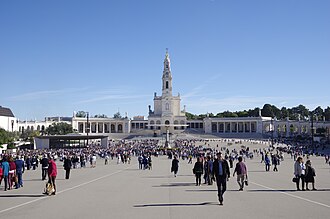
✨Sanctuary of Fátima
Where three shepherd children witnessed apparitions of the Virgin Mary in 1917.
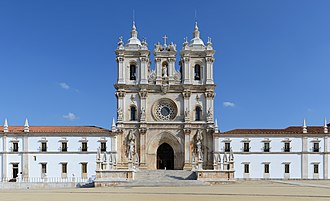
🏛️Alcobaça Monastery
The first Gothic building in Portugal and a Cistercian monastery of austere beauty.
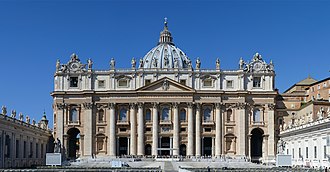
⛪Vatican City (St. Peter's Basilica)
The spiritual center of Roman Catholicism and home of the Pope.
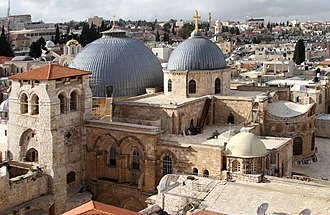
✝️Church of the Holy Sepulchre
The site where Jesus was crucified, buried, and resurrected.