
🏠 Bai Meeting Houses
Palau
About This Sacred Site
The bai are traditional Palauan meeting houses that serve as sacred communal spaces for governance, ceremony, and spiritual practice. These distinctive A-frame structures feature elaborate storyboard carvings (bilib) depicting mythological narratives, ancestral stories, and spiritual teachings. The bai were traditionally restricted to titled men and served as centres for decision-making, dispute resolution, and the transmission of sacred knowledge. The most notable surviving bai is in Airai, believed to be the oldest in Palau.
History & Origins
The bai meeting houses date back to the pre-colonial era of Palau, with the Airai bai recognized as the oldest surviving example, constructed possibly in the 18th century. These traditional A-frame structures are built using native hardwoods and feature elaborately carved storyboards known as bilib, which chronicle Palauan mythology and history. The bai served as communal council houses for village elders and were central to decision-making and social governance. Renovations in the mid-20th century sought to preserve the intricate carvings, many of which depict legendary figures and significant historical events such as inter-village alliances. The bai were often located near freshwater sources and sacred grounds, anchoring them within broader cultural landscapes. Colonial authorities in the early 1900s documented the bai as vital to indigenous identity, leading to preservation efforts post-independence to maintain their structural and artistic integrity.
Spiritual Significance
Bai meeting houses function as sacred spaces where rituals related to ancestral worship and community rites are conducted, with the bilib carvings serving as spiritual narratives linking the present to the past. Elders perform ceremonies invoking the blessings of clan spirits during important events like the annual Ngara Maolele festival. The symbolic motifs on the storyboards encode spiritual beliefs about creation, cosmology, and moral law, guiding social conduct. Pilgrims and villagers gather in the bai to seek counsel and participate in oath-taking rituals that reinforce communal harmony. The houses are constructed following traditional cosmological orientations, aligning entrances and carvings with cardinal directions believed to influence spiritual balance. Spiritual leaders known as 'bai masters' oversee the maintenance of ritual propriety within these structures, ensuring continuity of indigenous religious practices.
Key Facts
- •Traditional A-frame structures decorated with sacred storyboard carvings
- •The Airai bai is considered the oldest surviving example
- •Storyboards (bilib) depict mythology, history, and spiritual teachings
- •Bai served as centres for governance, ceremony, and sacred knowledge
- •Access was traditionally restricted to titled men of the village
Location
Coordinates: 7.3419, 134.4786
Frequently Asked Questions
What religion is Bai Meeting Houses associated with?▾
Bai Meeting Houses is a Indigenous holy site located in Palau. It was established Pre-colonial era and is ranked #924 in our global directory of sacred sites.
When was Bai Meeting Houses established?▾
Bai Meeting Houses dates back to Pre-colonial era. Traditional A-frame structures decorated with sacred storyboard carvings
How many people visit Bai Meeting Houses each year?▾
Bai Meeting Houses receives approximately 15,000+ visitors per year. The Airai bai is considered the oldest surviving example
What is Bai Meeting Houses known for?▾
Traditional Palauan men's meeting houses with sacred storyboard carvings depicting spiritual legends. Visitors come seeking ancestral connection, guidance, spiritual enlightenment. Storyboards (bilib) depict mythology, history, and spiritual teachings
Related Holy Sites
Sacred places connected by country, religion, and purpose

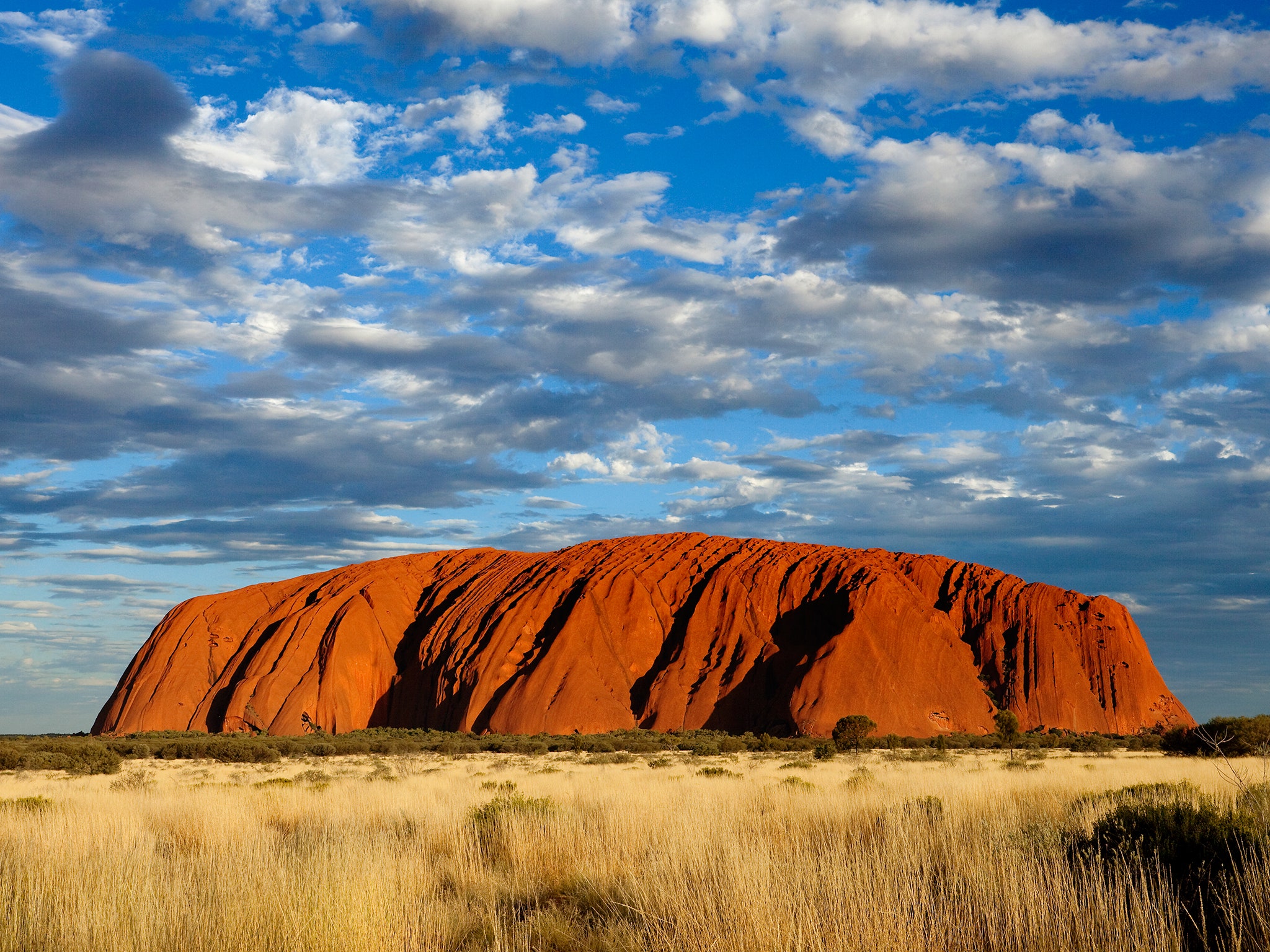
🪨Uluru (Ayers Rock)
A sacred monolith central to Aboriginal Australian creation stories.
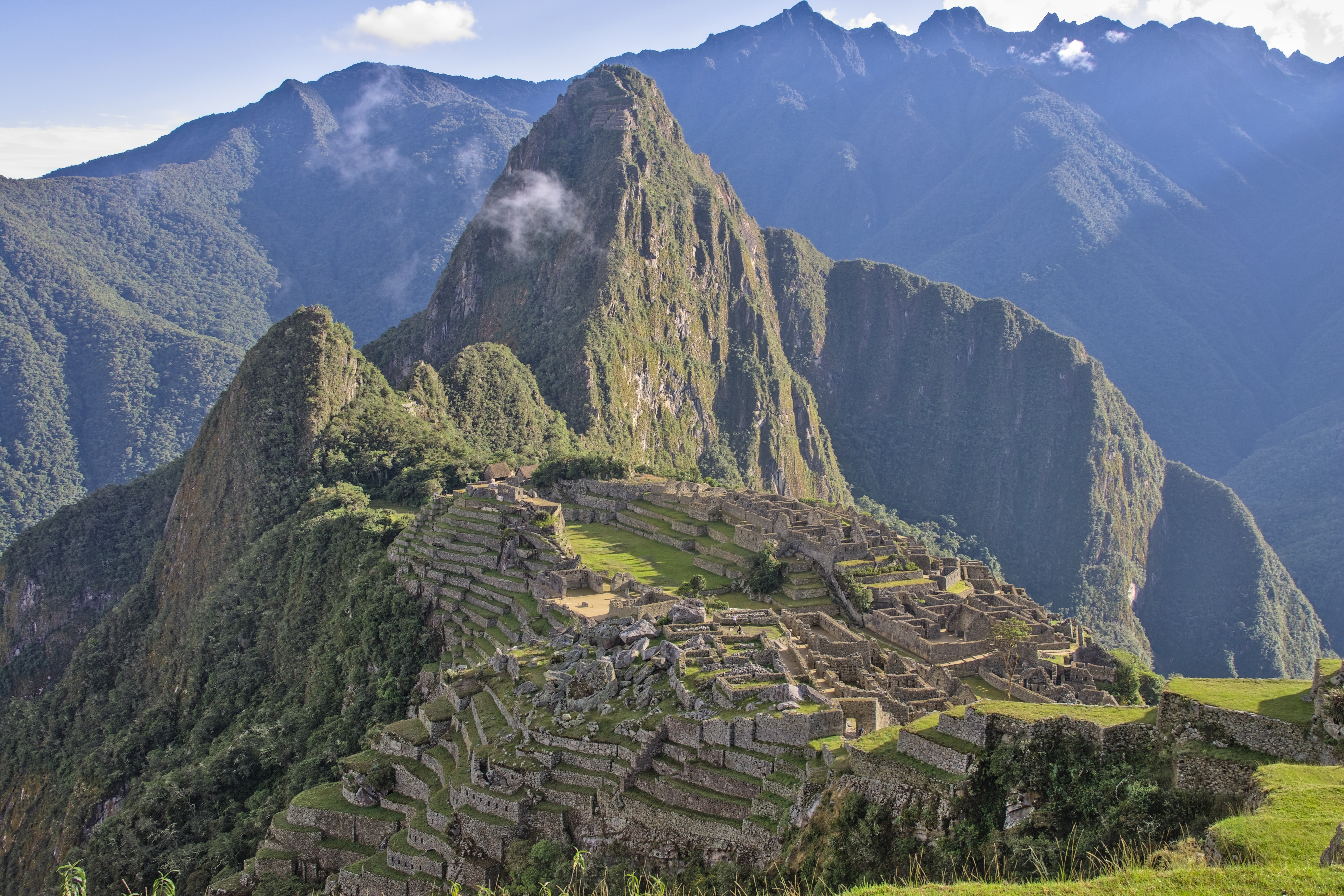
🏔️Machu Picchu
A sacred Inca citadel set high in the Andes, aligned with astronomical events.
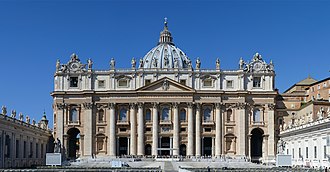
⛪Vatican City (St. Peter's Basilica)
The spiritual center of Roman Catholicism and home of the Pope.
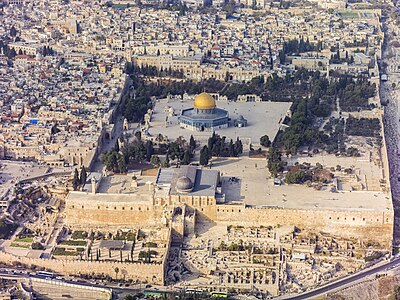
🕌Temple Mount / Al-Aqsa (Jerusalem)
Sacred to Judaism, Christianity, and Islam — the most contested holy site on Earth.

