🏰 Asen's Fortress and Church
Bulgaria
About This Sacred Site
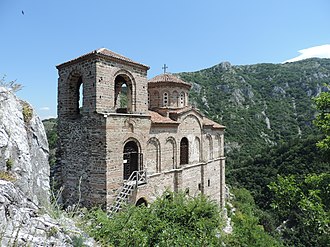
Asen's Fortress is a medieval fortification perched dramatically on a cliff above the Asenitsa River near Asenovgrad in the Rhodope Mountains. The Church of the Holy Mother of God, the only fully preserved building, dates from the 12th-13th centuries and contains remarkable frescoes from different periods. The fortress was used as a stronghold by the Thracians, Romans, Byzantines, and Bulgarians over nearly two millennia. Tsar Ivan Asen II fortified the complex in the 13th century during the golden age of the Second Bulgarian Empire.
History & Origins
Asen's Fortress, located near Asenovgrad in Bulgaria, has been strategically fortified since Thracian times over 2,000 years ago, with archaeological evidence dating its earliest defensive structures to the 4th century BCE. The Church of the Holy Mother of God, central to the fortress complex, was constructed in the 12th to 13th centuries during the reign of the Second Bulgarian Empire, reflecting the architectural style of the period. The fortress was notably reinforced under Tsar Ivan Asen I, who ruled from 1187 to 1196 and played a pivotal role in the Bulgarian uprising against Byzantine rule. Subsequent renovations occurred during the Ottoman period, adapting the fortress for military use while preserving the church's medieval frescoes. In the 20th century, Bulgarian archaeologists conducted extensive restoration work, uncovering inscriptions and artifacts that link the site to medieval Bulgarian royalty. Today, the site remains a prominent cultural monument, protected by Bulgaria's Ministry of Culture and open to visitors year-round.
Spiritual Significance
The Church of the Holy Mother of God within the fortress is dedicated to the Virgin Mary, a venerated figure in Eastern Orthodox Christianity, with liturgical celebrations held annually on the Feast of the Annunciation on March 25. Pilgrims traditionally visit the church to pray the Akathist Hymn to the Theotokos, a hymn dating back to the 6th century, believed to invoke the Virgin's protection. The church's medieval frescoes depict scenes from the New Testament, including the Nativity and Resurrection, serving as visual catechism for worshippers. Historically, the fortress church functioned as a spiritual refuge during conflicts, with records indicating that Tsar Ivan Asen I sought divine blessing here before battles. Contemporary Orthodox believers continue to observe the custom of lighting beeswax candles at the altar, symbolizing prayers for protection and healing, in accordance with Byzantine liturgical traditions outlined in the Typikon. The site also hosts an annual pilgrimage on the feast day of St. Ivan Rilski, Bulgaria's patron saint, linking local devotion with national religious identity.
Key Facts
- •The fortress has been continuously fortified since Thracian times, over 2,000 years ago
- •The Church of the Holy Mother of God dates to the 12th-13th centuries
- •Tsar Ivan Asen II rebuilt the fortress in the 13th century at the height of Bulgarian power
- •The site sits on a cliff 150 meters above the Asenitsa River
- •Frescoes from the 14th century survive inside the preserved church
Location
Coordinates: 41.9817, 24.7133
Frequently Asked Questions
What religion is Asen's Fortress and Church associated with?▾
Asen's Fortress and Church is a Christianity holy site located in Bulgaria. It was established c. 11th century (church) and is ranked #534 in our global directory of sacred sites.
When was Asen's Fortress and Church established?▾
Asen's Fortress and Church dates back to c. 11th century (church). The fortress has been continuously fortified since Thracian times, over 2,000 years ago
How many people visit Asen's Fortress and Church each year?▾
Asen's Fortress and Church receives approximately 80,000 visitors per year. The Church of the Holy Mother of God dates to the 12th-13th centuries
What is Asen's Fortress and Church known for?▾
A clifftop fortress near Asenovgrad with a beautifully preserved medieval church. Visitors come seeking protection, ancestral connection, spiritual enlightenment, peace. Tsar Ivan Asen II rebuilt the fortress in the 13th century at the height of Bulgarian power
Related Holy Sites
Sacred places connected by country, religion, and purpose
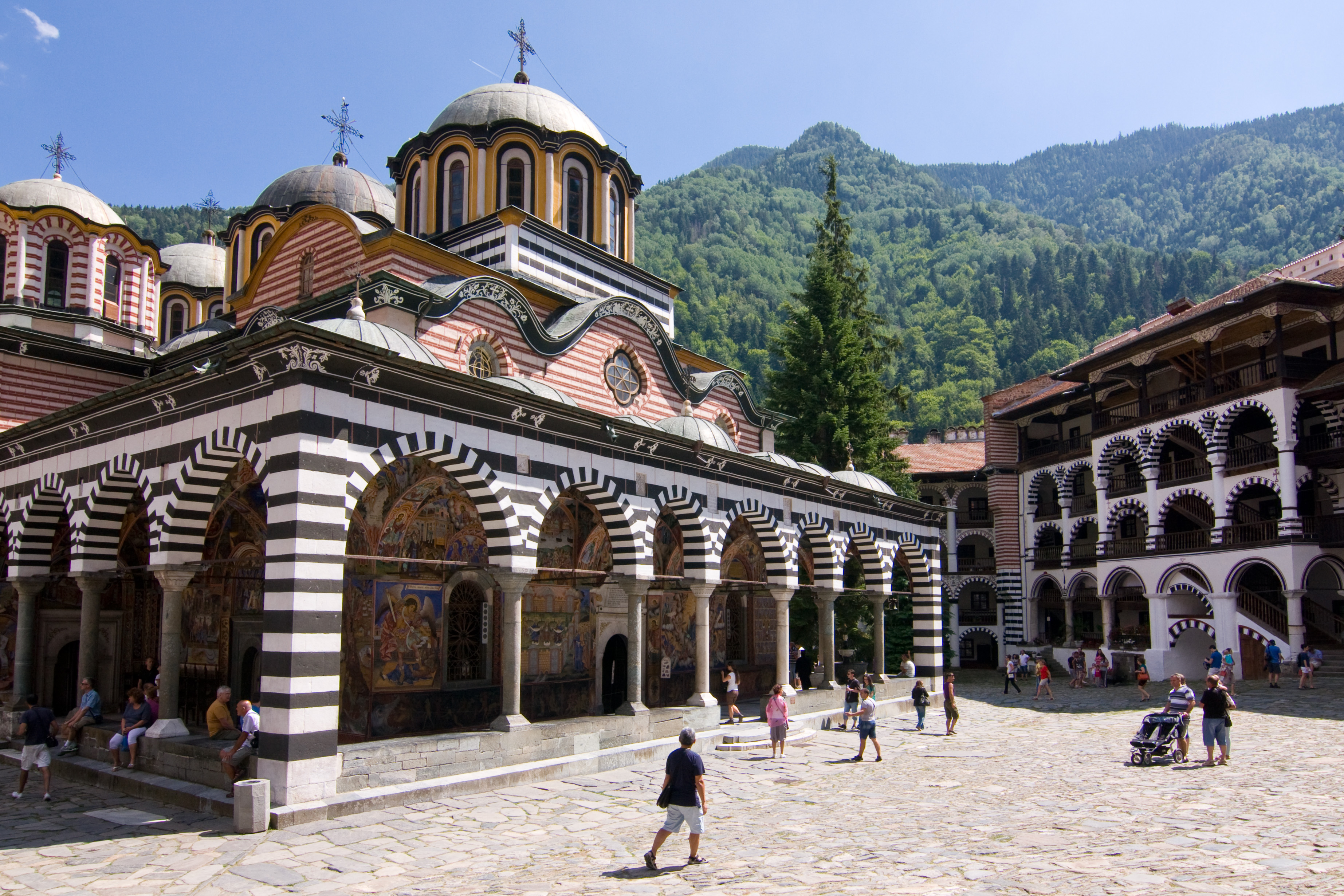
⛪Rila Monastery
Bulgaria's most important spiritual center, nestled in the Rila Mountains.
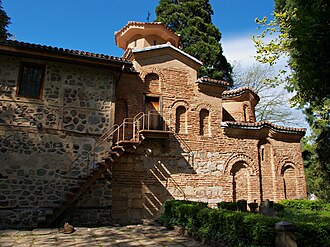
🎨Boyana Church
A medieval church on the outskirts of Sofia with frescoes that predate the Italian Renaissance.
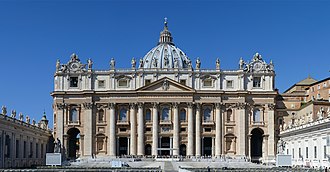
⛪Vatican City (St. Peter's Basilica)
The spiritual center of Roman Catholicism and home of the Pope.
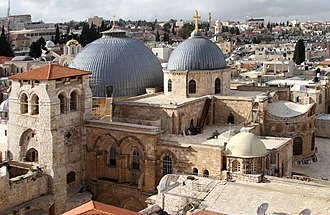
✝️Church of the Holy Sepulchre
The site where Jesus was crucified, buried, and resurrected.