
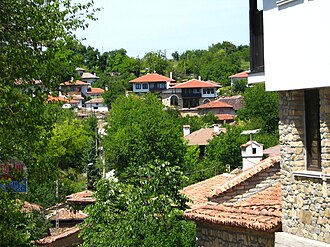
🎨 Church of the Nativity, Arbanasi
Bulgaria
About This Sacred Site
The Church of the Nativity of Christ in the village of Arbanasi, near Veliko Tarnovo, is one of the most remarkable examples of Bulgarian National Revival religious art. Its austere, fortress-like exterior gives no hint of the stunning treasure within: virtually every square centimeter of the interior is covered with vivid frescoes dating from the 16th and 17th centuries. Over 3,500 figures depict scenes from the Old and New Testaments, the lives of saints, and the Wheel of Life. The church reflects the tradition of wealthy Bulgarian merchants endowing lavish religious art under Ottoman rule.
History & Origins
Constructed circa the 16th century during the Bulgarian Renaissance, the church was built under the patronage of local noble families under Ottoman rule, with major renovations occurring in 1640 to restore frescoes damaged by earthquakes. The interior frescoes, painted between the 16th and 17th centuries by the renowned Tarnovo school artists, cover over 3,500 figures depicting biblical scenes and saints, representing one of the largest preserved examples of post-Byzantine ecclesiastical art in Bulgaria. The exterior's deliberately plain design contrasts with its lavish interior to comply with Ottoman restrictions on Christian buildings, preserving the church's sanctity while avoiding political repercussions. The church was declared a national monument of culture in 1970, ensuring protection and careful restoration of its frescoes and structural elements.
Spiritual Significance
The church celebrates the Nativity of Christ on December 25 with a special Divine Liturgy, drawing pilgrims from across Bulgaria who venerate the icon of the Virgin Mary, considered miraculous by local tradition. The frescoes incorporate theological themes from the Gospel of Luke, emphasizing the Incarnation and the role of the Theotokos, central to Eastern Orthodox Mariology. Pilgrims engage in icon veneration rituals, lighting beeswax candles before the icons and participating in processions during feast days. The church continues to serve as a center for spiritual education, hosting annual retreats focused on Byzantine chant and scripture study, inspired by the teachings of St. John Chrysostom, whose liturgical texts are integral to Bulgarian Orthodox worship.
Key Facts
- •Over 3,500 painted figures cover virtually every surface of the interior
- •The frescoes date from the 16th and 17th centuries
- •The exterior is deliberately plain — lavish churches were restricted under Ottoman rule
- •Arbanasi was a prosperous merchant village favored by Ottoman sultans
- •The Wheel of Life fresco is one of the most complete depictions in Bulgarian art
Location
Coordinates: 43.1059, 25.6458
Frequently Asked Questions
What religion is Church of the Nativity, Arbanasi associated with?▾
Church of the Nativity, Arbanasi is a Christianity holy site located in Bulgaria. It was established c. 16th century and is ranked #551 in our global directory of sacred sites.
When was Church of the Nativity, Arbanasi established?▾
Church of the Nativity, Arbanasi dates back to c. 16th century. Over 3,500 painted figures cover virtually every surface of the interior
How many people visit Church of the Nativity, Arbanasi each year?▾
Church of the Nativity, Arbanasi receives approximately 70,000 visitors per year. The frescoes date from the 16th and 17th centuries
What is Church of the Nativity, Arbanasi known for?▾
A modest exterior concealing one of Bulgaria's most lavishly frescoed church interiors. Visitors come seeking spiritual enlightenment, blessings, peace, ancestral connection. The exterior is deliberately plain — lavish churches were restricted under Ottoman rule
Related Holy Sites
Sacred places connected by country, religion, and purpose
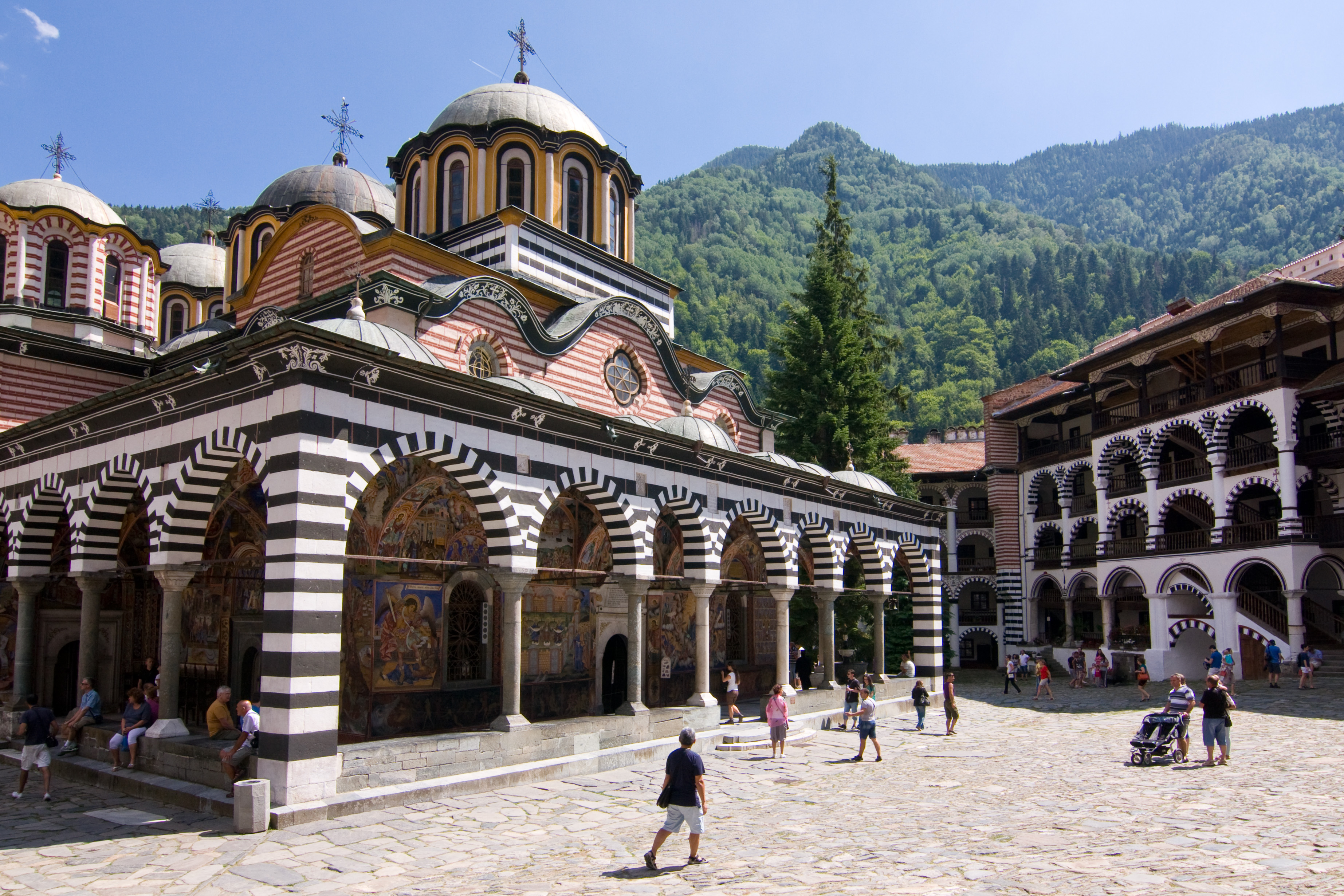
⛪Rila Monastery
Bulgaria's most important spiritual center, nestled in the Rila Mountains.
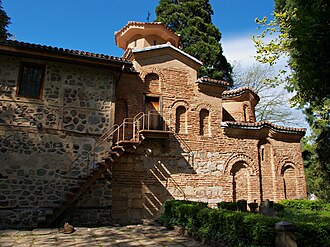
🎨Boyana Church
A medieval church on the outskirts of Sofia with frescoes that predate the Italian Renaissance.
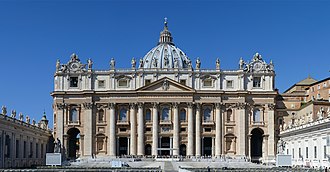
⛪Vatican City (St. Peter's Basilica)
The spiritual center of Roman Catholicism and home of the Pope.
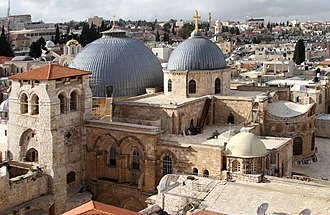
✝️Church of the Holy Sepulchre
The site where Jesus was crucified, buried, and resurrected.
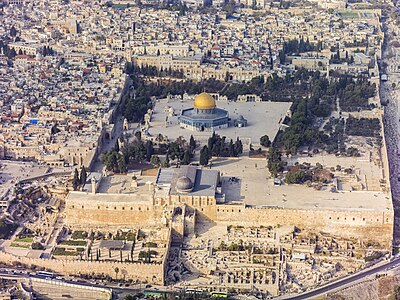
🕌Temple Mount / Al-Aqsa (Jerusalem)
Sacred to Judaism, Christianity, and Islam — the most contested holy site on Earth.
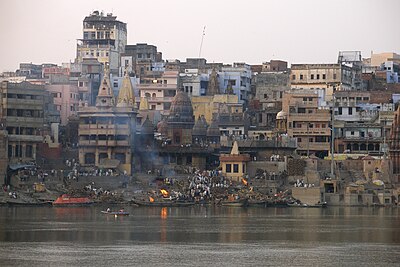
🙏Varanasi (Kashi Vishwanath Temple)
The holiest city in Hinduism, where the Ganges River purifies the soul.

