⛪ Antsirabe Cathedral
Madagascar
About This Sacred Site
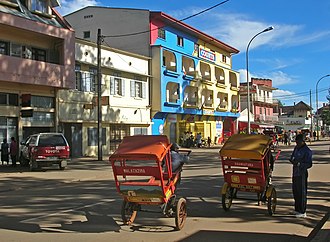
The Cathedral of Antsirabe stands in Madagascar's spa city, founded by Norwegian missionaries in the late 19th century. The church reflects Scandinavian architectural influences adapted to the Malagasy highland setting. Antsirabe, whose name means 'place of much salt,' has long been associated with healing through its thermal springs, and the cathedral became a center where Christian faith and traditional Malagasy beliefs in the curative power of water coexisted. It remains a major Christian landmark in the highlands.
History & Origins
Antsirabe Cathedral in Madagascar was constructed in the late 1880s by Norwegian Lutheran missionaries who arrived as part of the early Christian missionary movement in the region. The cathedral's establishment coincided with the foundation of Antsirabe city, which was named for its numerous thermal springs, literally meaning “place of much salt.” The city was founded as a spa town in 1872 by Norwegian missionaries who valued the healing properties of the hot springs, which influenced the cathedral's placement. The building features neo-Gothic architectural elements adapted to local materials and climatic conditions. It has undergone several restorations during the 20th century to maintain its structural integrity and accommodate a growing Christian congregation in the region.
Spiritual Significance
The cathedral serves as a central worship site for Madagascar's Lutheran community, hosting regular liturgies based on the Lutheran Book of Worship. Pilgrims visit to participate in sacraments such as baptism and communion, reflecting the site’s role in the Christian sacral calendar. Annual festivals correspond with Christian holidays including Easter and Christmas, celebrated with traditional Malagasy hymns and prayers. The cathedral's design incorporates elements symbolizing spiritual cleansing, inspired by the nearby thermal springs, and is used for healing services invoking biblical passages related to water and renewal. Clergy trained at the cathedral also conduct outreach programs emphasizing faith and health, rooted in the theological legacy of its missionary founders.
Key Facts
- •Built by Norwegian Lutheran missionaries in the late 19th century
- •Antsirabe means 'place of much salt' referring to its thermal springs
- •The city was founded as a spa town in 1872
- •Blends Scandinavian architectural style with Malagasy elements
- •The thermal springs nearby have been considered healing sites for centuries
Location
Coordinates: -19.8659, 47.0333
Frequently Asked Questions
What religion is Antsirabe Cathedral associated with?▾
Antsirabe Cathedral is a Christianity holy site located in Madagascar. It was established c. 1880s and is ranked #958 in our global directory of sacred sites.
When was Antsirabe Cathedral established?▾
Antsirabe Cathedral dates back to c. 1880s. Built by Norwegian Lutheran missionaries in the late 19th century
How many people visit Antsirabe Cathedral each year?▾
Antsirabe Cathedral receives approximately 35,000 visitors per year. Antsirabe means 'place of much salt' referring to its thermal springs
What is Antsirabe Cathedral known for?▾
A Norwegian-built cathedral in Madagascar's thermal springs city blending faith and healing. Visitors come seeking healing, blessings, peace. The city was founded as a spa town in 1872
Related Holy Sites
Sacred places connected by country, religion, and purpose
🪵Ambositra Wood-Carving Village
A highland town where Zafimaniry wood-carving traditions carry deep spiritual meaning.
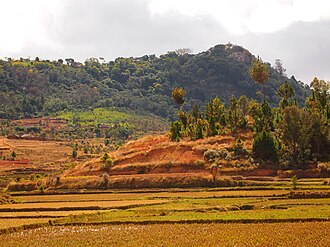
👑Royal Hill of Ambohimanga
A UNESCO-listed sacred hill and royal city of the Merina kings, the spiritual heart of Madagascar.
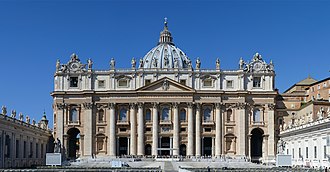
⛪Vatican City (St. Peter's Basilica)
The spiritual center of Roman Catholicism and home of the Pope.
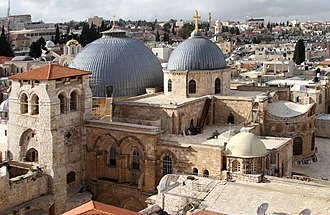
✝️Church of the Holy Sepulchre
The site where Jesus was crucified, buried, and resurrected.