🙏 Chapel of Grace, Altötting
Germany
About This Sacred Site
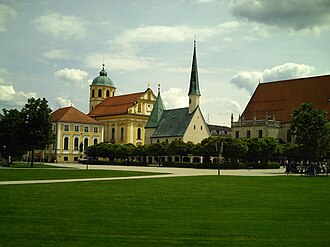
Altötting is Germany's most important Marian pilgrimage site and the spiritual heart of Bavaria. The Chapel of Grace (Gnadenkapelle) in the town center houses the Black Madonna, a small 13th-century wooden statue of the Virgin Mary that has been venerated since 1489 when two miraculous healings were reported. The chapel is surrounded by a cloister walkway lined with over 2,000 votive pictures left by grateful pilgrims over five centuries. The hearts of Bavarian rulers, including King Ludwig II, are kept in silver urns in the chapel. Pope Benedict XVI, who grew up nearby, called it 'the heart of Bavaria.'
History & Origins
The Chapel of Grace in Altötting, built in 1489, marks the center of Germany's most important Marian pilgrimage site in Bavaria. It houses the Black Madonna statue, believed to perform miracles, attracting pilgrims since the late Middle Ages. The chapel's modest Gothic structure has been preserved and integrated into the larger Basilika St. Anna complex. Altötting's pilgrimage tradition grew alongside Bavaria's Catholic revival, with the chapel symbolizing enduring Marian devotion. The site continues to host annual processions and religious festivals, maintaining its spiritual and cultural significance.
Spiritual Significance
The Chapel of Grace in Altötting has been Germany's premier Marian pilgrimage site since 1489, when a reported miraculous healing of a young boy was attributed to the intercession of the Black Madonna statue housed within. This wooden statue, dating from the 14th century, is central to annual pilgrimages, especially on May 1 and August 15, the Feast of the Assumption, when thousands of pilgrims attend processions and mass. The chapel is encircled by over 2,000 votive paintings left by devotees, each documenting healings or answered prayers, reflecting the Catholic tradition of ex-voto offerings. The Rosary and the Litany of Loreto are regularly recited during pilgrim gatherings, reinforcing Marian devotion in line with the Council of Trent's emphasis on the Virgin Mary's role in salvation. The chapel's Baroque architecture, completed in 1489 and expanded in later centuries, frames the statue in a gilded altar that complements the spiritual focus on grace and mercy. Pilgrims often engage in acts of contrition and prayerful reflection in the cloister, underscoring the site’s role in fostering personal renewal through Mary’s intercession.
Key Facts
- •Germany's most visited Marian pilgrimage site
- •The Black Madonna has been venerated since miraculous healings in 1489
- •Over 2,000 votive paintings line the cloister walkway around the chapel
- •The hearts of Bavarian kings are preserved in silver urns within the chapel
- •Pope Benedict XVI grew up nearby and called Altötting 'the heart of Bavaria'
Location
Coordinates: 48.2267, 12.6764
Frequently Asked Questions
What religion is Chapel of Grace, Altötting associated with?▾
Chapel of Grace, Altötting is a Christianity holy site located in Germany. It was established 1489 (pilgrimage site) and is ranked #635 in our global directory of sacred sites.
When was Chapel of Grace, Altötting established?▾
Chapel of Grace, Altötting dates back to 1489 (pilgrimage site). Germany's most visited Marian pilgrimage site
How many people visit Chapel of Grace, Altötting each year?▾
Chapel of Grace, Altötting receives approximately 1 million visitors per year. The Black Madonna has been venerated since miraculous healings in 1489
What is Chapel of Grace, Altötting known for?▾
Bavaria's holiest pilgrimage site, home of the 'Black Madonna' and Germany's spiritual heart. Visitors come seeking miracles, healing, pilgrimage, blessings. Over 2,000 votive paintings line the cloister walkway around the chapel
Related Holy Sites
Sacred places connected by country, religion, and purpose
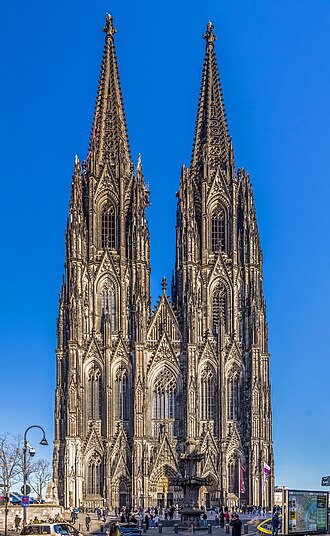
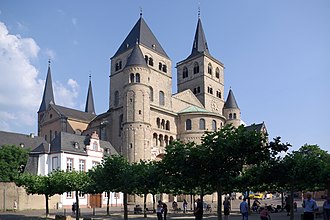
⛪Cologne Cathedral
Germany's most visited landmark, a Gothic masterpiece housing the Shrine of the Three Kings.
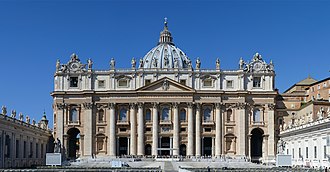
⛪Vatican City (St. Peter's Basilica)
The spiritual center of Roman Catholicism and home of the Pope.
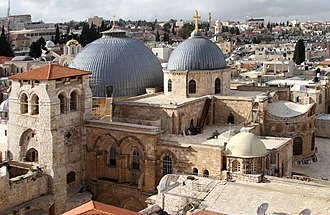
✝️Church of the Holy Sepulchre
The site where Jesus was crucified, buried, and resurrected.