💧 Baptism Site (Al-Maghtas)
Jordan
About This Sacred Site
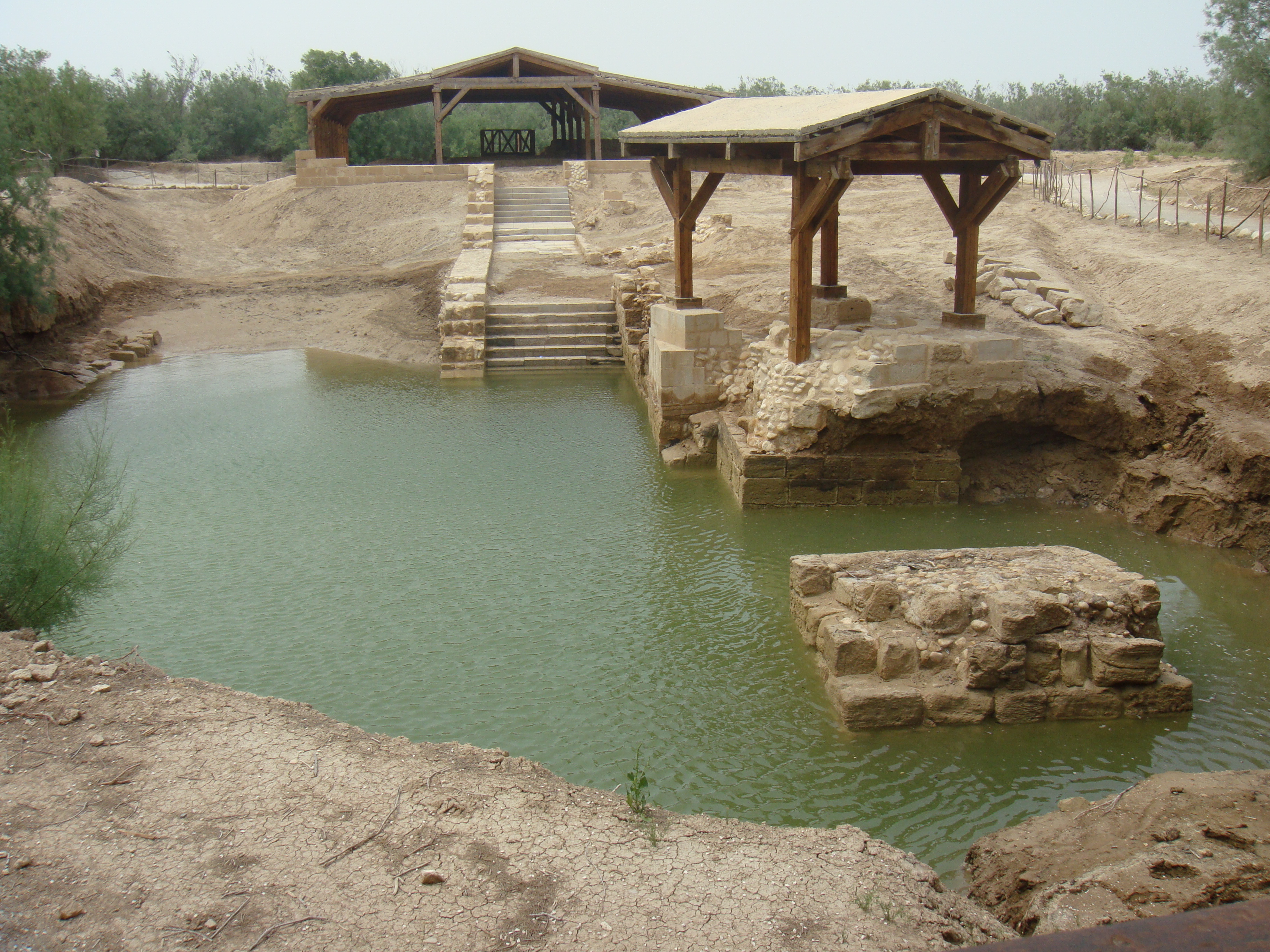
Al-Maghtas, also known as Bethany Beyond the Jordan, is recognized by UNESCO and numerous Christian denominations as the authentic site of Jesus Christ’s baptism by John the Baptist. Located on the east bank of the Jordan River in Jordan, the site features ancient churches, baptismal pools, and monastic ruins dating from the Roman and Byzantine periods. Archaeological evidence confirms its use as a pilgrimage destination from the 4th century CE onward. Al-Maghtas retains profound religious significance for Christians worldwide, symbolizing the beginning of Jesus’ public ministry. Its serene desert surroundings and preserved early Christian architecture continue to attract pilgrims and tourists alike.
History & Origins
Al-Maghtas, established circa 28 CE along the Jordan River's eastern bank, is traditionally identified as the baptismal site of Jesus by John the Baptist. The area features remnants of Byzantine churches from the 5th century, constructed under the patronage of Emperor Theodosius II, reflecting early Christian reverence. The site experienced periods of destruction during Islamic conquests in the 7th century but underwent restoration during the Crusader era in the 12th century. Modern archaeological efforts beginning in the late 20th century led to its designation as a UNESCO World Heritage Site in 2015, recognizing its continuous religious significance. Excavations have uncovered baptismal pools, baptismal chapels, and monastic complexes, illustrating its role as a pilgrimage center for diverse Christian denominations over two millennia.
Spiritual Significance
Al-Maghtas serves as a focal point for Christian baptismal rituals, symbolizing spiritual purification and renewal as scripted in the Gospel of John 1:29-34, where Jesus is baptized by John the Baptist. Pilgrims from Orthodox, Catholic, and Protestant traditions gather annually on Epiphany (January 6) to reenact the baptism, involving immersion in the Jordan River's waters. The site's Byzantine churches, dating to the 5th century, host liturgies that emphasize the Trinitarian doctrine, reflecting theological interpretations of Jesus' divine sonship. The baptism pools are sanctified through prayers invoking the Holy Spirit, fostering a communal affirmation of faith. Its designation as a UNESCO World Heritage Site in 2015 has enhanced ecumenical pilgrimages, underscoring its significance as the cradle of Christian baptismal practice.
Key Facts
- •UNESCO World Heritage Site since 2015
- •Recognized by most Christian denominations as Jesus's baptism site
- •Contains remains of Byzantine churches dating to the 5th century
- •Located near where the Israelites are said to have crossed the Jordan
- •Visited by Pope Benedict XVI in 2009 and Pope Francis in 2014
Location
Coordinates: 31.8372, 35.5500
Frequently Asked Questions
What religion is Baptism Site (Al-Maghtas) associated with?▾
Baptism Site (Al-Maghtas) is a Christianity holy site located in Jordan. It was established c. 28 CE (biblical tradition) and is ranked #190 in our global directory of sacred sites.
When was Baptism Site (Al-Maghtas) established?▾
Baptism Site (Al-Maghtas) dates back to c. 28 CE (biblical tradition). UNESCO World Heritage Site since 2015
How many people visit Baptism Site (Al-Maghtas) each year?▾
Baptism Site (Al-Maghtas) receives approximately 200,000 visitors per year. Recognized by most Christian denominations as Jesus's baptism site
What is Baptism Site (Al-Maghtas) known for?▾
The UNESCO-recognized site on the Jordan River where Jesus was baptized by John the Baptist. Visitors come seeking purification, pilgrimage, salvation, blessings. Contains remains of Byzantine churches dating to the 5th century
Related Holy Sites
Sacred places connected by country, religion, and purpose
🏛️Petra
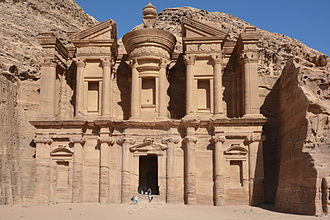
The rose-red Nabataean city carved into sandstone cliffs, one of the New Seven Wonders.
⛰️Mount Nebo
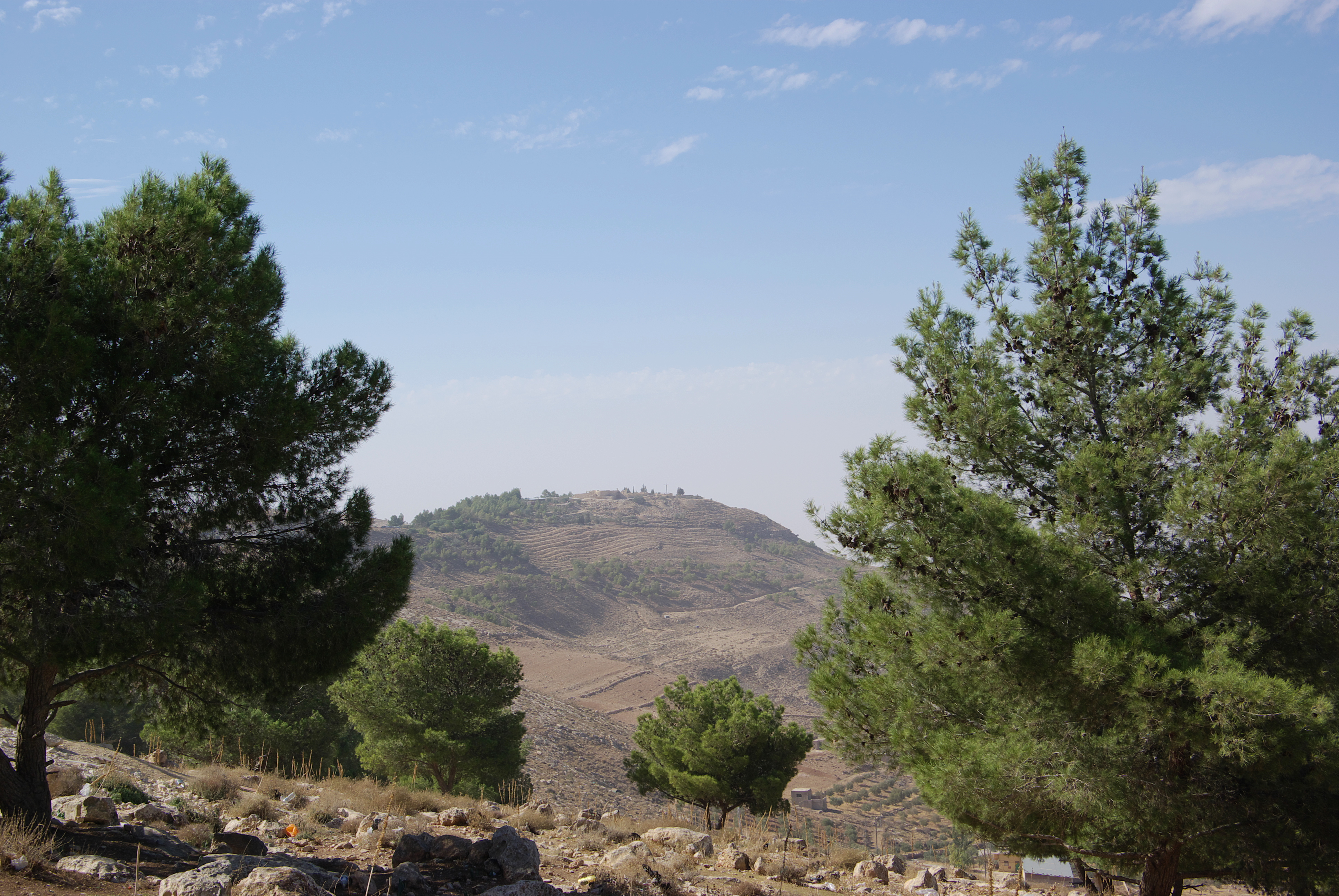
The biblical mountain where Moses viewed the Promised Land before his death.
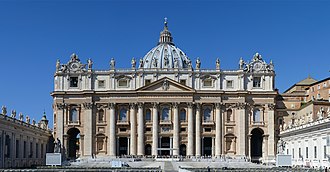
⛪Vatican City (St. Peter's Basilica)
The spiritual center of Roman Catholicism and home of the Pope.
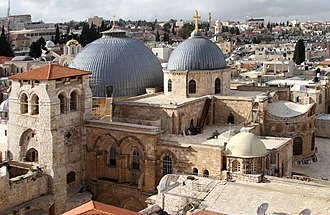
✝️Church of the Holy Sepulchre
The site where Jesus was crucified, buried, and resurrected.