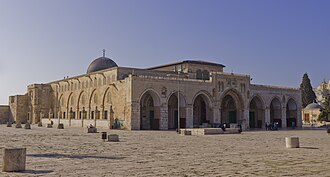
🕌 Al-Aqsa Mosque (interior)
Palestine
About This Sacred Site
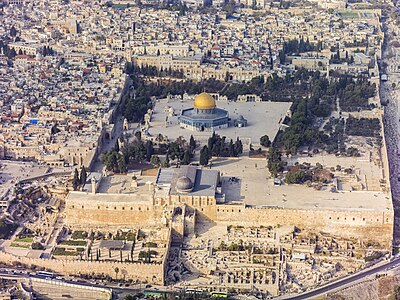
Al-Aqsa Mosque, within the Haram al-Sharif (Noble Sanctuary) compound, is the third holiest site in Islam after Mecca and Medina. Muslims believe Prophet Muhammad was transported from Mecca to Al-Aqsa during the Isra and Mi'raj (Night Journey), where he led all previous prophets in prayer before ascending to heaven. The silver-domed mosque can hold up to 5,000 worshippers and has been a center of Islamic worship and scholarship since its construction by the Umayyad Caliphs in the early 8th century. The name 'Al-Aqsa' means 'the farthest mosque,' referencing its distance from Mecca. The mosque is distinct from the nearby Dome of the Rock, though both stand within the sacred compound.
History & Origins
The Al-Aqsa Mosque was originally built around 705 CE by the Umayyad Caliph Al-Walid I, making it one of the earliest Islamic architectural landmarks in Jerusalem. The mosque has undergone numerous renovations due to earthquakes and conflicts, notably in 1033 and 1927, with the latest restoration completed in the late 20th century. The compound, known as Haram al-Sharif, encompasses the mosque's vast prayer hall capable of accommodating approximately 5,000 worshippers simultaneously. Historically, the site has witnessed significant events including the Crusader conquest and subsequent Muslim reconquest under Saladin in 1187. The mosque's intricate interior features Umayyad mosaics and Ottoman-era calligraphy, reflecting its layered historical and artistic heritage.
Spiritual Significance
Al-Aqsa is revered as the third holiest site in Islam, being the location to which Prophet Muhammad was transported during the Night Journey (Isra and Mi'raj) as described in Surah Al-Isra (17:1). The mosque serves as a focal point for daily prayers and Friday congregational worship, with specific rituals like Tarawih prayers conducted during Ramadan. The compound is also a site for the annual pilgrimage during the month of Ramadan and the commemorative Laylat al-Mi'raj, celebrating Muhammad’s ascension to heaven. The mosque's Qibla direction was the first for Muslims before changing to Mecca, underscoring its theological importance. Religious leaders such as the Grand Mufti of Jerusalem have historically led prayers and sermons here, reinforcing its role in Islamic jurisprudence and community leadership.
Key Facts
- •Third holiest mosque in Islam, destination of Muhammad's Night Journey
- •Can accommodate approximately 5,000 worshippers at once
- •Originally built by the Umayyad Caliphs in the early 8th century CE
- •Prophet Muhammad is believed to have led all previous prophets in prayer here
- •The name 'Al-Aqsa' means 'the farthest mosque' in Arabic
Location
Coordinates: 31.7761, 35.2358
Frequently Asked Questions
What religion is Al-Aqsa Mosque (interior) associated with?▾
Al-Aqsa Mosque (interior) is a Islam holy site located in Palestine. It was established c. 705 CE and is ranked #191 in our global directory of sacred sites.
When was Al-Aqsa Mosque (interior) established?▾
Al-Aqsa Mosque (interior) dates back to c. 705 CE. Third holiest mosque in Islam, destination of Muhammad's Night Journey
How many people visit Al-Aqsa Mosque (interior) each year?▾
Al-Aqsa Mosque (interior) receives approximately 3+ million visitors per year. Can accommodate approximately 5,000 worshippers at once
What is Al-Aqsa Mosque (interior) known for?▾
The third holiest mosque in Islam, where Prophet Muhammad led all prophets in prayer. Visitors come seeking pilgrimage, peace, forgiveness, salvation. Originally built by the Umayyad Caliphs in the early 8th century CE
Related Holy Sites
Sacred places connected by country, religion, and purpose