🏰 Ajloun Castle Mosque
Jordan
About This Sacred Site
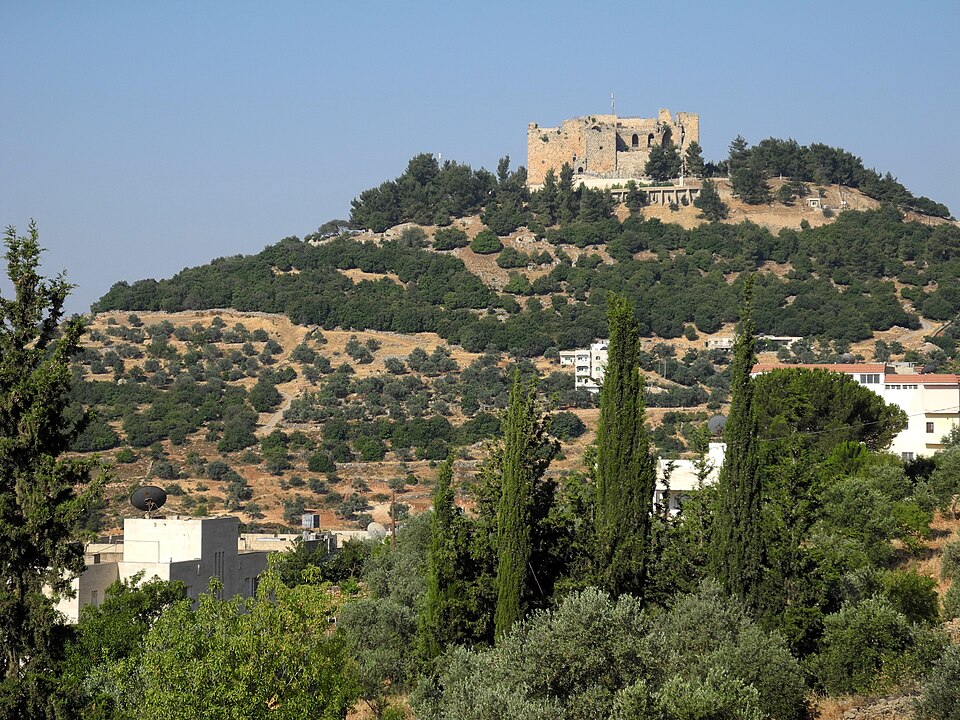
Ajloun Castle Mosque is part of the larger Ajloun Castle complex situated on a hilltop in northern Jordan. Built in 1184 CE by the Ayyubid general Usama ibn Munqidh, the castle was strategically designed to protect Muslim territories from Crusader incursions and to secure trade routes. The mosque within the fortress is a modest but historically significant prayer space reflecting Ayyubid architectural elements, including horseshoe arches and stone masonry. Its elevated position offers commanding views of the surrounding valleys. Today, the mosque and castle serve as important cultural heritage sites, illustrating Islamic military architecture and religious life during the Crusades.
Spiritual Significance
Constructed in 1184 CE by Ayyubid general Izz al-Din Usama, the fortress mosque within Ajloun Castle served the dual purpose of military defense and religious worship amidst Crusader conflicts. The integrated mosque, positioned strategically within the castle, facilitated daily prayers (Salah) for the garrison and was a site for Quranic recitation, underscoring the soldiers' spiritual resilience. The mosque's architectural design includes a mihrab oriented towards Mecca and features inscriptions of Quranic verses invoking protection and victory. Ramadan observances were historically marked within the castle, with communal iftars strengthening morale during sieges. Control of Ajloun Castle oscillated between Muslim and Crusader forces, embedding the mosque's role as a symbol of Islamic perseverance in the region.
Key Facts
- •Built in 1184 CE by an Ayyubid general
- •Constructed to counter Crusader expansion from nearby Belvoir Castle
- •Contains an integrated mosque for the garrison
- •Controlled vital iron mines and trade routes
- •Enlarged by the Mamluks in the 13th century
Location
Coordinates: 32.3961, 35.7517
Frequently Asked Questions
What religion is Ajloun Castle Mosque associated with?▾
Ajloun Castle Mosque is a Islam holy site located in Jordan. It was established 1184 CE and is ranked #747 in our global directory of sacred sites.
When was Ajloun Castle Mosque established?▾
Ajloun Castle Mosque dates back to 1184 CE. Built in 1184 CE by an Ayyubid general
How many people visit Ajloun Castle Mosque each year?▾
Ajloun Castle Mosque receives approximately 150,000 visitors per year. Constructed to counter Crusader expansion from nearby Belvoir Castle
What is Ajloun Castle Mosque known for?▾
A 12th-century Ayyubid castle with integrated mosque, built to defend against Crusader incursions. Visitors come seeking protection, ancestral connection, peace, guidance. Contains an integrated mosque for the garrison
Related Holy Sites
Sacred places connected by country, religion, and purpose
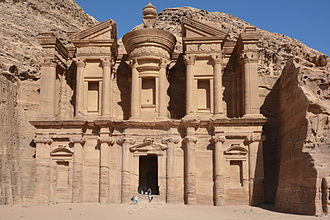
🏛️Petra
The rose-red Nabataean city carved into sandstone cliffs, one of the New Seven Wonders.
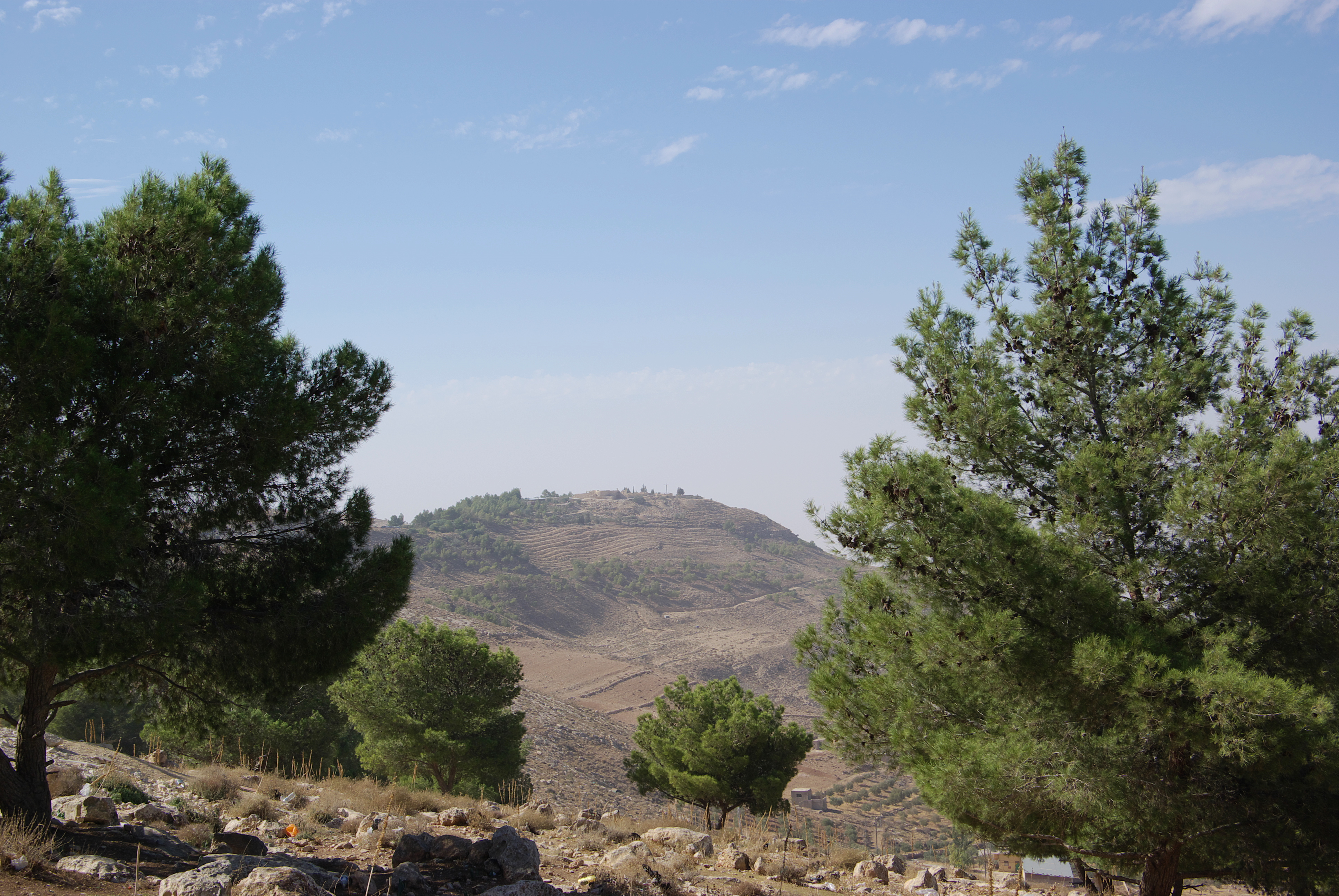
⛰️Mount Nebo
The biblical mountain where Moses viewed the Promised Land before his death.