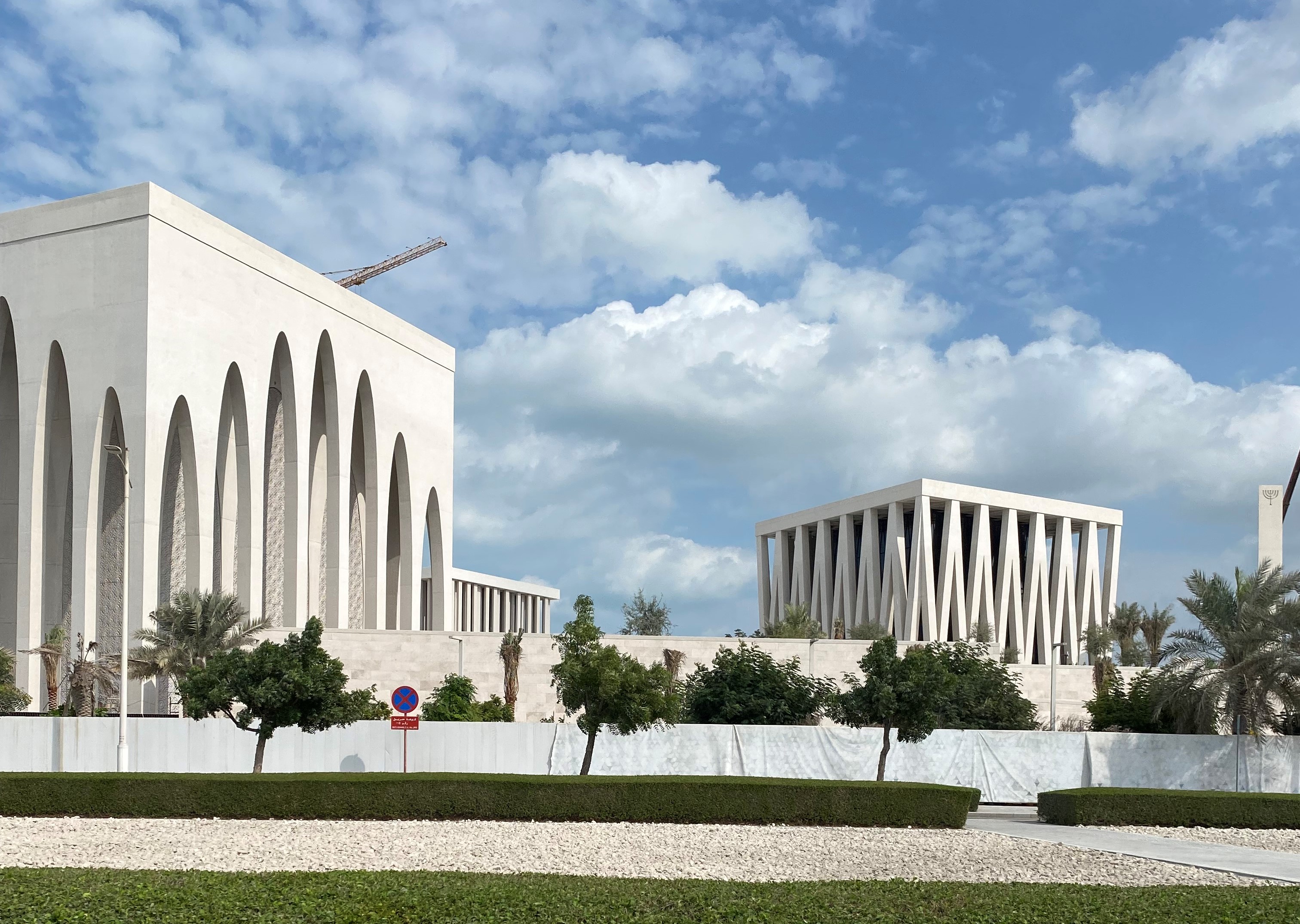
🕌 Abu Darwish Mosque
Jordan
About This Sacred Site
The Abu Darwish Mosque is a distinctive Ottoman-style mosque perched atop Jabal Ashrafiyeh, one of Amman's highest hills. Built in 1961 by the Circassian community, its striking black-and-white alternating stone pattern makes it one of the most visually unique mosques in the Middle East. The elevated location offers panoramic views of Amman, and the mosque is a beloved landmark for both residents and visitors. Its Circassian heritage reflects the diverse ethnic communities that have shaped modern Jordan.
History & Origins
The Abu Darwish Mosque, perched atop Jabal Ashrafiyeh in Amman, was built in 1961 by the Circassian community, who had settled in Jordan following their displacement from the Caucasus. Designed in an Ottoman architectural style, the mosque is renowned for its unique black-and-white striped stone façade, which contrasts elegantly against Amman’s skyline. Its elevated location makes it one of the highest points in the city, offering panoramic views and serving as a spiritual beacon. Over time, it has become a symbol of the Circassian heritage in Jordan and an important site for Islamic worship. The mosque continues to host daily prayers and community events, reflecting the enduring legacy of Ottoman design and minority cultural identity in the region.
Spiritual Significance
Constructed in 1961 by Amman's Circassian community, the mosque's distinctive black-and-white stone pattern symbolizes the duality of faith and community resilience, reflecting the Circassians' historical migration and settlement in Jordan. Perched atop Jabal Ashrafiyeh, one of Amman's seven hills, it offers panoramic views that pilgrims often incorporate into spiritual reflection and dhikr (remembrance of God). The mosque is a focal point during Ramadan, where nightly Taraweeh prayers extend into the early hours, emphasizing communal solidarity. Its unique architectural style, absent of minarets, aligns with Circassian Islamic traditions, differentiating it from other Jordanian mosques. The site is also associated with local celebrations of Mawlid al-Nabi, where sermons emphasize the Hadith literature preserved within Sunni Islam. The mosque's prominence on the hilltop serves as a spiritual beacon, reinforcing the Islamic principle of Ihsan (excellence) in worship and community life.
Key Facts
- •Built in 1961 by Amman's Circassian community
- •Features a distinctive black-and-white stone pattern
- •Located atop Jabal Ashrafiyeh, one of Amman's seven hills
- •One of the most photographed buildings in Amman
- •Reflects the Circassian heritage of parts of Jordan's population
Location
Coordinates: 31.9451, 35.9348
Frequently Asked Questions
What religion is Abu Darwish Mosque associated with?▾
Abu Darwish Mosque is a Islam holy site located in Jordan. It was established 1961 and is ranked #886 in our global directory of sacred sites.
When was Abu Darwish Mosque established?▾
Abu Darwish Mosque dates back to 1961. Built in 1961 by Amman's Circassian community
How many people visit Abu Darwish Mosque each year?▾
Abu Darwish Mosque receives approximately 150,000 visitors per year. Features a distinctive black-and-white stone pattern
What is Abu Darwish Mosque known for?▾
A distinctive black-and-white striped Ottoman-style mosque atop one of Amman's seven hills. Visitors come seeking blessings, peace, meditation, guidance. Located atop Jabal Ashrafiyeh, one of Amman's seven hills
Related Holy Sites
Sacred places connected by country, religion, and purpose
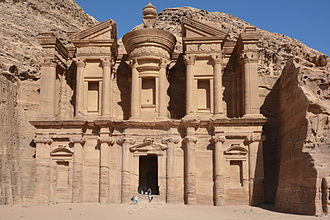
🏛️Petra
The rose-red Nabataean city carved into sandstone cliffs, one of the New Seven Wonders.
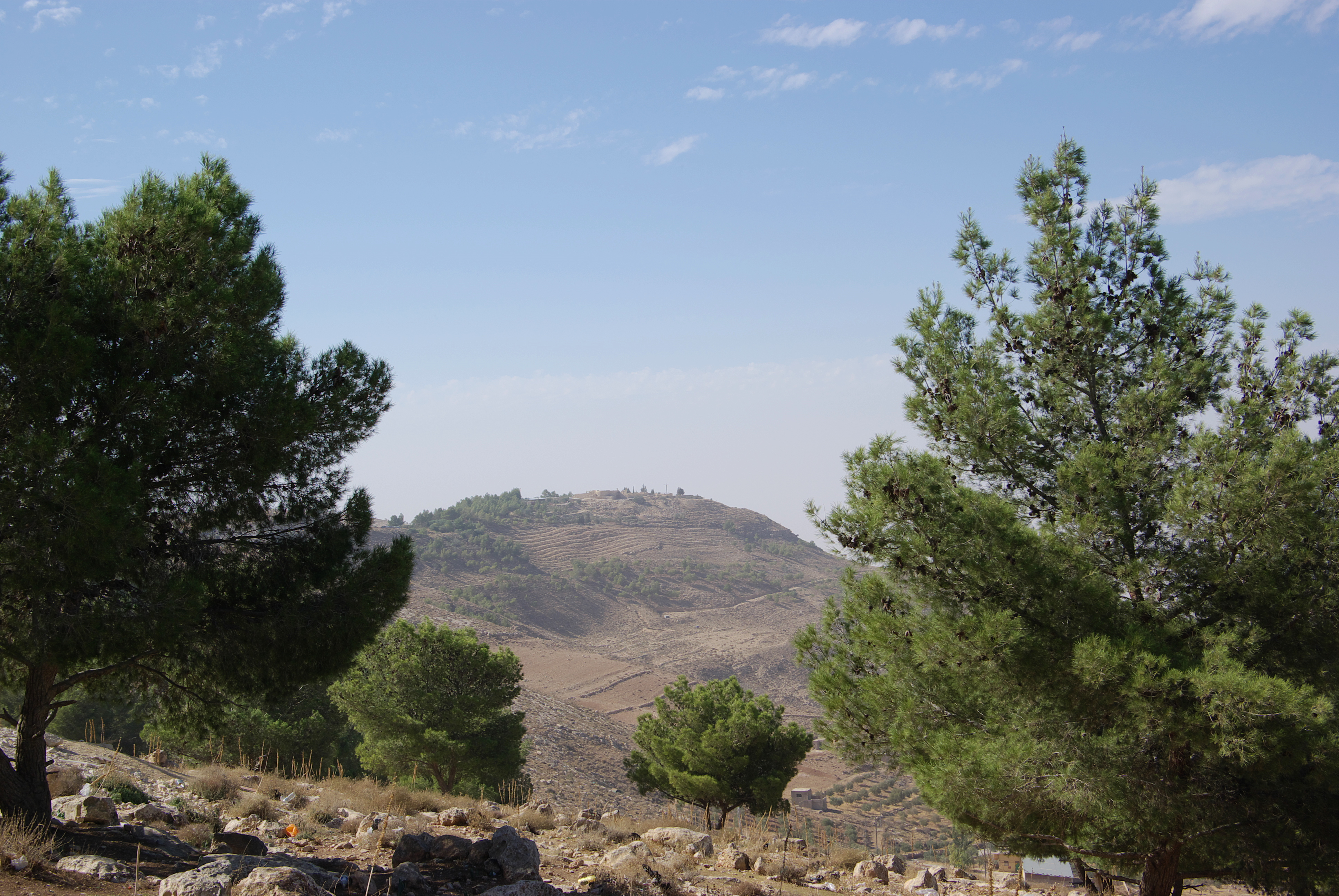
⛰️Mount Nebo
The biblical mountain where Moses viewed the Promised Land before his death.