
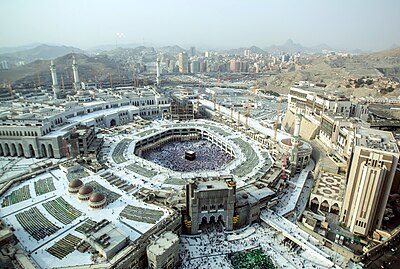
Understanding the Hajj: Islam's Greatest Pilgrimage
Every year, millions of Muslims converge on Mecca for the Hajj. Learn about the rituals, requirements, and profound spiritual significance of this journey.
The Fifth Pillar of Islam
The Hajj pilgrimage to Mecca is one of the Five Pillars of Islam — a religious duty that must be carried out by every able-bodied Muslim who can afford it at least once in their lifetime. It takes place during the 8th to 12th days of Dhul Hijjah, the last month of the Islamic calendar.
The Rituals
Ihram
Before entering Mecca, pilgrims enter a state of spiritual purity called Ihram. Men wear two white seamless cloths; women wear modest clothing. This dress code eliminates distinctions of wealth and status — before God, all are equal.
Tawaf
Pilgrims circulate the Kaaba seven times counterclockwise. This ancient cube-shaped structure, believed built by Prophet Abraham, is the qiblah — the direction all Muslims face during prayer.
Sa'i
Pilgrims walk seven times between the hills of Safa and Marwa, commemorating Hagar's desperate search for water for her infant son Ishmael. Today, the route is enclosed within the mosque complex.
Arafat
On the 9th of Dhul Hijjah, pilgrims gather at the Plain of Arafat from noon to sunset. This is considered the climax of the Hajj — standing before God in prayer and supplication. Prophet Muhammad delivered his final sermon here.
Muzdalifah and Mina
After sunset at Arafat, pilgrims collect pebbles at Muzdalifah and proceed to Mina, where they stone three pillars symbolizing the rejection of evil.
The Spiritual Impact
For many Muslims, Hajj is the most profound experience of their lives. The gathering of millions from every nation, speaking every language, dressed identically in white, creates an overwhelming sense of human unity and divine presence.
Understanding the Hajj Obligation
The Hajj is the fifth pillar of Islam, an obligation incumbent upon every Muslim who is physically and financially able to perform it at least once in their lifetime. This is not merely a recommendation — it is a fundamental religious duty that shapes the spiritual life of the global Muslim community. The Hajj takes place during the Islamic month of Dhul Hijjah, specifically from the 8th to the 12th (or 13th), and can only be performed during these dates. An out-of-season visit to the holy sites is called Umrah, which is highly meritorious but does not fulfill the Hajj obligation.
The Rituals in Detail
Day 1 (8th Dhul Hijjah): Entering Ihram and Mina
The Hajj begins when pilgrims enter a state of sacred purity called ihram. Men wear two seamless white cloths, symbolizing equality before God — kings and laborers dress identically. Women wear modest clothing without face veils. Once in ihram, pilgrims avoid cutting hair or nails, using perfume, arguing, or engaging in intimate relations. The millions of pilgrims then travel to the tent city of Mina, where they spend the night in prayer and reflection. The sight of the vast tent encampments stretching across the desert valley is one of the most powerful visual experiences in any world religion.
Day 2 (9th Dhul Hijjah): Standing at Arafat
The climax of the Hajj is the Day of Arafat, when all pilgrims gather on the Plain of Arafat and stand in supplication from noon until sunset. This is considered the most important ritual of the Hajj — without it, the pilgrimage is invalid. Muslims believe this day represents a preview of the Day of Judgment, when all humanity will stand before God. The Prophet Muhammad delivered his Farewell Sermon on this plain, and Muslims around the world who are not performing Hajj observe this day with fasting.
Day 3 (10th Dhul Hijjah): Muzdalifah and the Stoning
After sunset at Arafat, pilgrims travel to Muzdalifah, where they spend the night under the open sky and collect pebbles for the next day's ritual. On the morning of the 10th, they proceed to Mina to perform the symbolic stoning of the Jamarat — three pillars representing the devil's temptation of Abraham. This is also the day of Eid al-Adha, the Festival of Sacrifice, commemorating Abraham's willingness to sacrifice his son. Pilgrims arrange for the sacrifice of an animal (the meat is distributed to the poor), then men shave their heads and women cut a small lock of hair, symbolizing spiritual renewal.
The Tawaf and Sa'i
After the stoning, pilgrims return to the Grand Mosque to perform Tawaf — seven counterclockwise circuits around the Kaaba. They then complete Sa'i, walking seven times between the hills of Safa and Marwah, retracing the steps of Hagar searching for water for her son Ishmael. According to Islamic tradition, the sacred Zamzam well burst forth at Ishmael's feet during this desperate search, and pilgrims drink from this well during their visit.
Practical Planning
Costs and Packages
Hajj packages from Western countries typically range from 5,000 to 15,000 dollars, covering flights, Saudi visa, accommodation, transportation between sites, and guide services. Prices vary dramatically based on the level of accommodation — from basic tent accommodations to five-star hotels overlooking the Grand Mosque. Book with reputable, licensed Hajj operators well in advance, as Saudi Arabia allocates a fixed number of visas per country each year and demand far exceeds supply.
Health and Safety
The Hajj involves walking many kilometers in extreme heat, often in dense crowds. Physical preparation is essential — start a walking regimen months before departure. Saudi authorities provide free medical care at clinics throughout the Hajj sites, and meningitis vaccination is mandatory. Bring sun protection, comfortable shoes that slip on and off easily (you will remove them frequently), and stay hydrated. Heat-related illness is the most common medical issue.
What to Bring and What to Leave Behind
Pack minimally. You will be wearing ihram garments most of the time. Bring a small backpack with essential medications, phone charger, identification documents (kept in a waterproof pouch), and a compact prayer mat. Leave valuables at home. A money belt worn under ihram is essential for carrying cash and documents.
The Spiritual Dimension
Experienced pilgrims consistently describe the Hajj as the most transformative experience of their lives. The physical hardship, the overwhelming scale of the gathering, and the knowledge that you are performing the same rituals as the Prophet Muhammad and millions of believers across 1,400 years creates a spiritual intensity unlike anything else in Islamic practice. Many pilgrims report experiences of profound emotional catharsis, a sense of their sins being washed away, and a renewed relationship with God that remains with them for the rest of their lives.

