
🪨 Writing-on-Stone / Áísínai'pi Provincial Park
Canada
About This Sacred Site
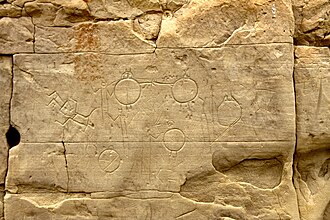
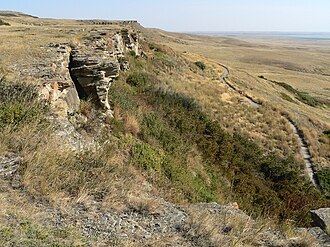
Writing-on-Stone, known as Áísínai'pi ('it is pictured/written') to the Blackfoot, contains the greatest concentration of rock art on the North American Great Plains. The site features thousands of petroglyphs (carvings) and pictographs (paintings) on the sandstone hoodoos of the Milk River valley, created over a period of at least 3,000 years. The Blackfoot regard this as one of their most sacred landscapes, believing the hoodoos are petrified giants and that the spirit world is particularly close here. The rock art records histories, visions, ceremonies, and the arrival of horses and Europeans, making it an invaluable cultural record.
History & Origins
Writing-on-Stone / Áísínai'pi Provincial Park in southern Alberta contains the greatest concentration of Indigenous rock art on the Great Plains, with over 50 documented rock art sites featuring thousands of carvings and paintings dating back approximately 3,000 years to around 1000 BCE. The area was sacred to the Blackfoot Confederacy, who called it Áísínai'pi, meaning "it is pictured/written." Archaeological surveys in the 20th century revealed extensive petroglyphs and pictographs depicting animals, human figures, and spiritual beings. The park was established by the Alberta government in 1957 to protect these cultural resources. It was designated a National Historic Site of Canada in 1977 due to its unique archaeological and cultural significance. The sandstone cliffs and hoodoo formations provide a natural canvas for the rock art, which reflects centuries of ceremonial practices and stories. Ongoing collaborative efforts with Indigenous communities ensure preservation and interpretation aligned with traditional knowledge.
Spiritual Significance
The rock art sites serve as sacred spaces where Blackfoot and other Indigenous peoples historically conducted vision quests, spiritual ceremonies, and storytelling. Specific carvings represent guardian spirits, mythic animals, and cosmological concepts tied to Blackfoot spiritual beliefs as recorded in oral traditions. Pilgrims and Indigenous visitors engage in offerings and prayers at selected rock art panels, particularly during seasonal cycles like the Sundance ceremony. These images embody connections to the spirit world and ancestral teachings, functioning as a visual scripture encoded with cultural laws and histories. The site supports transmission of Indigenous spirituality, emphasizing harmony with natural elements and respect for sacred beings. Contemporary Indigenous artists and elders continue to interpret the rock art's significance, linking past and present spiritual identities. The park's management includes protocols that restrict access to sensitive areas to honor their ongoing ceremonial importance.
Key Facts
- •Contains the greatest concentration of Indigenous rock art on the Great Plains
- •Over 50 rock art sites with thousands of individual carvings and paintings spanning 3,000+ years
- •UNESCO World Heritage Site since 2019
- •The Blackfoot believe the hoodoos are petrified giants and the spirit world is close here
- •Some panels record the arrival of horses and European contact
Location
Coordinates: 49.0833, -111.6167
Frequently Asked Questions
What religion is Writing-on-Stone / Áísínai'pi Provincial Park associated with?▾
Writing-on-Stone / Áísínai'pi Provincial Park is a Indigenous holy site located in Canada. It was established c. 1000 BCE (earliest rock art) and is ranked #150 in our global directory of sacred sites.
When was Writing-on-Stone / Áísínai'pi Provincial Park established?▾
Writing-on-Stone / Áísínai'pi Provincial Park dates back to c. 1000 BCE (earliest rock art). Contains the greatest concentration of Indigenous rock art on the Great Plains
How many people visit Writing-on-Stone / Áísínai'pi Provincial Park each year?▾
Writing-on-Stone / Áísínai'pi Provincial Park receives approximately 50,000 visitors per year. Over 50 rock art sites with thousands of individual carvings and paintings spanning 3,000+ years
What is Writing-on-Stone / Áísínai'pi Provincial Park known for?▾
The greatest concentration of Indigenous rock art on the Great Plains, sacred to the Blackfoot. Visitors come seeking ancestral connection, spiritual enlightenment, guidance, protection. UNESCO World Heritage Site since 2019
Related Holy Sites
Sacred places connected by country, religion, and purpose
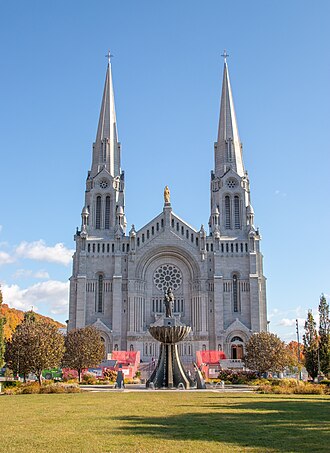
⛪Sainte-Anne-de-Beaupré Basilica
A major Canadian pilgrimage site known for miraculous healings since 1658.
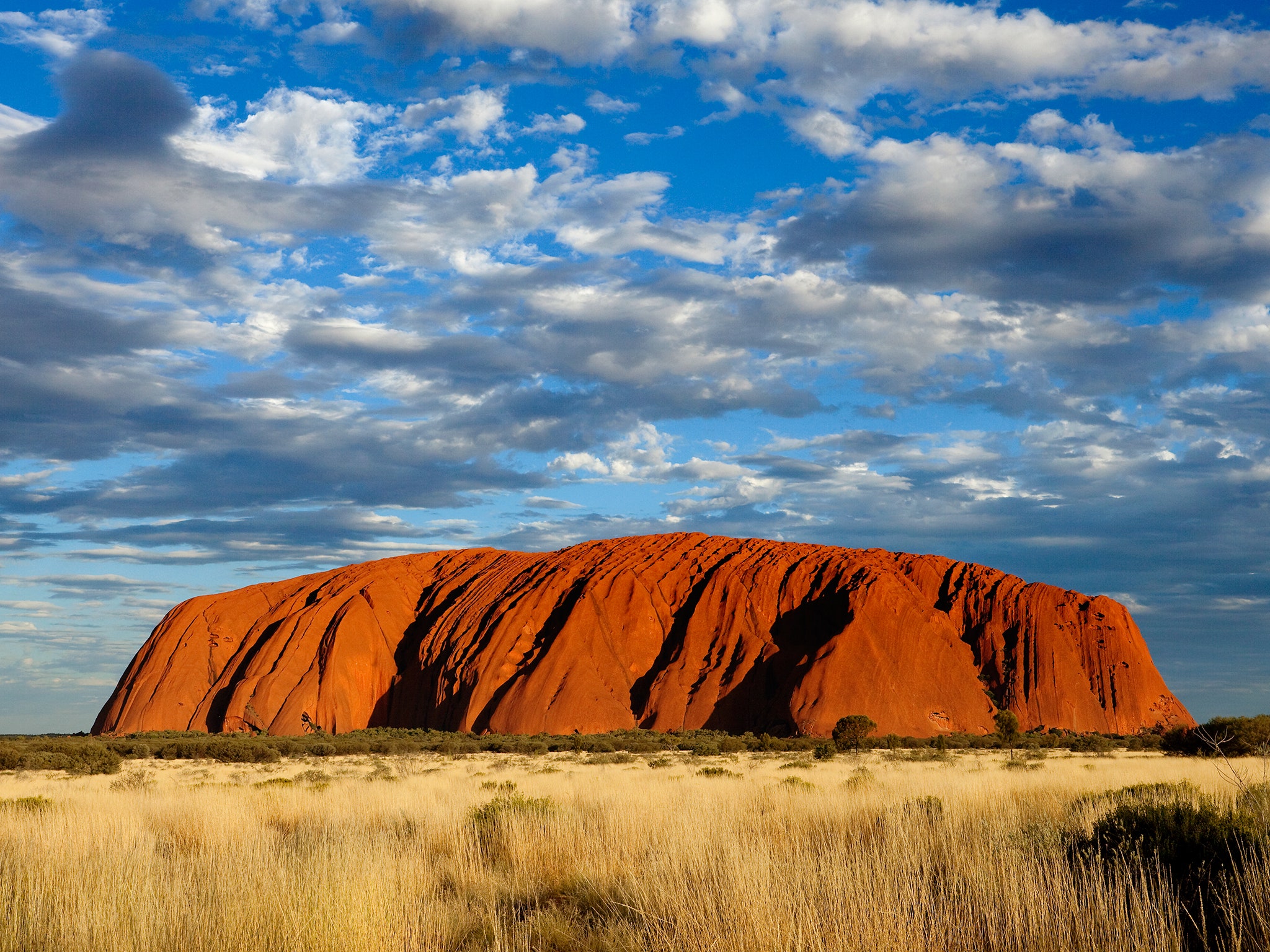
🪨Uluru (Ayers Rock)
A sacred monolith central to Aboriginal Australian creation stories.
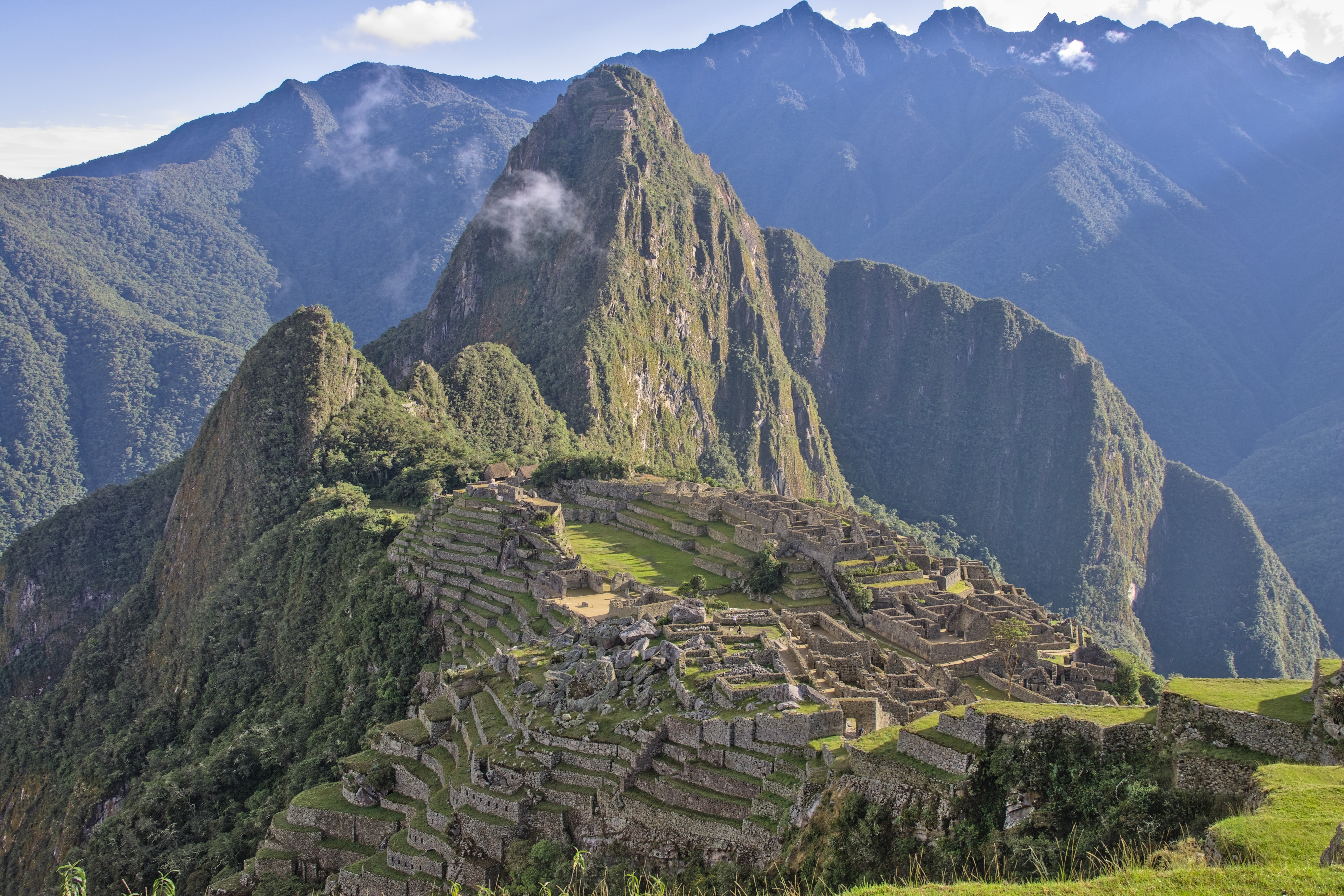
🏔️Machu Picchu
A sacred Inca citadel set high in the Andes, aligned with astronomical events.
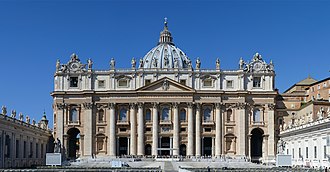
⛪Vatican City (St. Peter's Basilica)
The spiritual center of Roman Catholicism and home of the Pope.
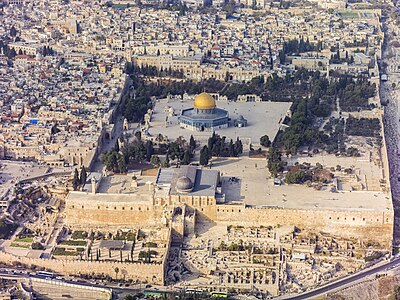
🕌Temple Mount / Al-Aqsa (Jerusalem)
Sacred to Judaism, Christianity, and Islam — the most contested holy site on Earth.

