👑 Westminster Abbey
United Kingdom
About This Sacred Site
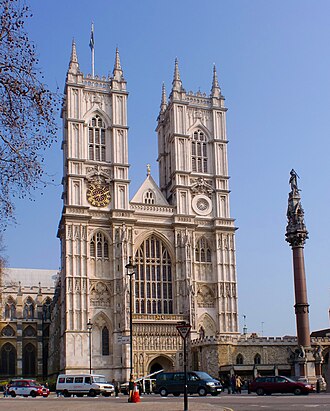
Westminster Abbey is one of Britain's most important Gothic buildings and has been the coronation church for English and British monarchs since 1066. Nearly every sovereign since William the Conqueror has been crowned here, and the abbey contains the graves of monarchs, poets, scientists, and statesmen — including Newton, Darwin, Chaucer, and Dickens. The shrine of Edward the Confessor, the abbey's founder-saint, lies at the heart of the building. The Chapter House, Poets' Corner, and the medieval Cosmati pavement are among its treasures.
History & Origins
Founded in 960 CE as a Benedictine monastery, the site was rebuilt in the Gothic style under King Henry III beginning in 1245, aligning with the monarch's vision of ecclesiastical grandeur. The abbey has hosted every English and British coronation since William the Conqueror in 1066, using the Coronation Chair crafted in 1296 to enshrine the Stone of Scone, symbolizing the union of the kingdoms. Over 3,300 individuals, including monarchs, poets like Geoffrey Chaucer, scientists such as Isaac Newton, and political leaders, are buried or memorialized within its precincts. The Dissolution of the Monasteries under Henry VIII in the 16th century transformed its monastic function into a royal peculiar, directly under the monarch's jurisdiction. Extensive 19th-century renovations, led by architects Sir George Gilbert Scott and others, restored medieval elements while adapting to modern liturgical needs. Designated a UNESCO World Heritage Site, the abbey continues to serve as a venue for royal weddings, state funerals, and national commemorations.
Spiritual Significance
Westminster Abbey has been the spiritual heart of British Christianity for centuries, hosting coronation ceremonies that incorporate the anointing ritual with holy oil as directed in the Apostolic Tradition. Its daily choral worship follows the Book of Common Prayer, emphasizing Anglican liturgical heritage. The abbey's Poets' Corner serves not only as a burial place but also as a site of spiritual remembrance, where services honor the deceased with prayers and scripture readings. The presence of relics and memorials dedicated to early saints, monarchs, and martyrs reinforces the site’s role in intercessory prayer practices. Pilgrims and visitors engage in the ritual of lighting candles at the Shrine of Edward the Confessor, reflecting medieval devotional customs. Major festivals such as Easter and Christmas are celebrated with elaborate liturgies, incorporating medieval music manuscripts preserved in the abbey's archives. The abbey's spiritual leadership, including the Dean and Chapter, maintain traditions that connect contemporary worshipers with a millennium of Christian heritage.
Key Facts
- •Every English and British coronation since 1066 has taken place here
- •Over 3,300 people are buried or memorialized within the abbey
- •The Coronation Chair, made in 1296, is the oldest piece of English furniture still in use
- •The Cosmati pavement before the high altar dates to 1268
- •The abbey was founded as a Benedictine monastery by King Edgar in 960 CE
Location
Coordinates: 51.4993, -0.1273
Frequently Asked Questions
What religion is Westminster Abbey associated with?▾
Westminster Abbey is a Christianity holy site located in United Kingdom. It was established 960 CE and is ranked #297 in our global directory of sacred sites.
When was Westminster Abbey established?▾
Westminster Abbey dates back to 960 CE. Every English and British coronation since 1066 has taken place here
How many people visit Westminster Abbey each year?▾
Westminster Abbey receives approximately 1.5 million visitors per year. Over 3,300 people are buried or memorialized within the abbey
What is Westminster Abbey known for?▾
The coronation church of English monarchs and burial place of kings, poets, and scientists. Visitors come seeking blessings, guidance, spiritual enlightenment, peace. The Coronation Chair, made in 1296, is the oldest piece of English furniture still in use
Related Holy Sites
Sacred places connected by country, religion, and purpose
🪨Stonehenge
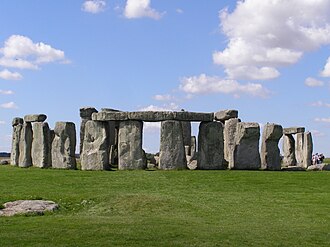
A prehistoric monument aligned with celestial events, shrouded in mystery.
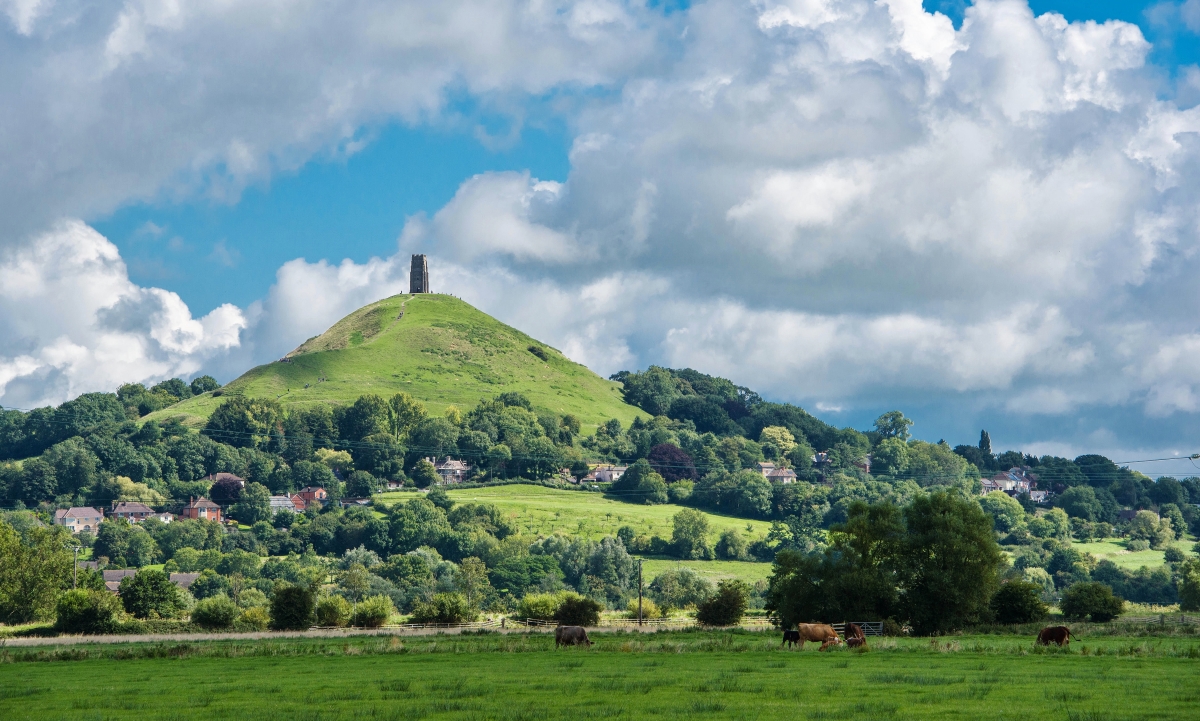
🗼Glastonbury Tor
A mystical hill linked to Arthurian legend and ancient Celtic spirituality.
⛪Vatican City (St. Peter's Basilica)
The spiritual center of Roman Catholicism and home of the Pope.
✝️Church of the Holy Sepulchre
The site where Jesus was crucified, buried, and resurrected.