⛪ Washington National Cathedral
United States
About This Sacred Site
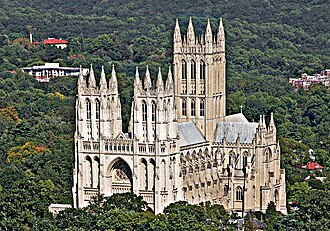
The Washington National Cathedral is the sixth-largest cathedral in the world and serves as America's unofficial spiritual home. Built over 83 years from 1907 to 1990, it was constructed using traditional Gothic methods with Indiana limestone and no structural steel. The cathedral has hosted state funerals for presidents, national prayer services, and memorial events including after 9/11. Its 215 stained-glass windows include one containing a piece of lunar rock brought back by Apollo 11 astronauts. The cathedral stands on the highest point in Washington, D.C., and its central tower rises 301 feet.
Spiritual Significance
Construction of the Washington National Cathedral began in 1907, culminating in its consecration in 1990, making it the sixth-largest cathedral in the world built entirely from Indiana limestone without steel supports. The cathedral houses the notable 'Space Window,' installed in 1965, which contains a piece of lunar rock from Apollo 11, symbolizing the unity of faith and science. Its liturgical calendar includes significant national and religious observances such as the National Prayer Service, Christmas and Easter liturgies, and memorial services for U.S. presidents. The cathedral serves as the seat of the Episcopal Diocese of Washington and hosts ecumenical worship, interfaith dialogues, and community outreach programs. Theologically, it incorporates Gothic architectural elements emphasizing verticality and light, designed to inspire contemplation of divine transcendence. The cathedral’s choir and organ music play integral roles in worship, drawing on Anglican chant traditions and contemporary compositions.
Key Facts
- •Sixth-largest cathedral in the world, built entirely of Indiana limestone without steel
- •Contains a stained-glass 'Space Window' with a piece of actual moon rock from Apollo 11
- •Construction took 83 years, from 1907 to 1990
- •Has hosted state funerals for Presidents Eisenhower, Reagan, Ford, H.W. Bush, and McCain
- •Features over 200 angels and 112 gargoyles, including one shaped like Darth Vader
Location
Coordinates: 38.9306, -77.0708
Frequently Asked Questions
What religion is Washington National Cathedral associated with?▾
Washington National Cathedral is a Christianity holy site located in United States. It was established 1907 (construction began) and is ranked #594 in our global directory of sacred sites.
When was Washington National Cathedral established?▾
Washington National Cathedral dates back to 1907 (construction began). Sixth-largest cathedral in the world, built entirely of Indiana limestone without steel
How many people visit Washington National Cathedral each year?▾
Washington National Cathedral receives approximately 600,000 visitors per year. Contains a stained-glass 'Space Window' with a piece of actual moon rock from Apollo 11
What is Washington National Cathedral known for?▾
The sixth-largest cathedral in the world and America's spiritual home for national events. Visitors come seeking peace, guidance, blessings, healing. Construction took 83 years, from 1907 to 1990
Related Holy Sites
Sacred places connected by country, religion, and purpose
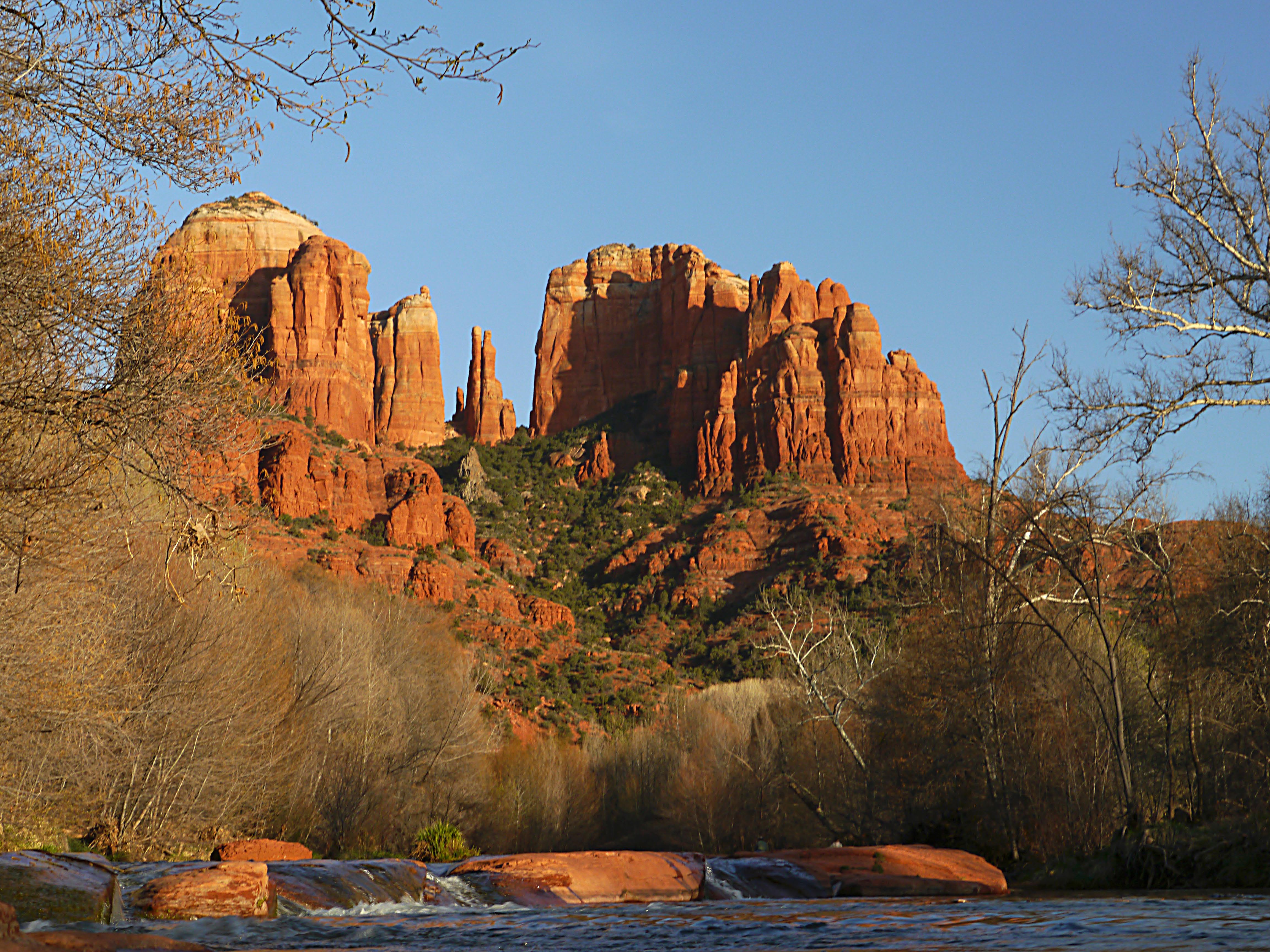
🌀Sedona (Vortex Sites)
Red rock formations believed to emit powerful spiritual energy vortexes.
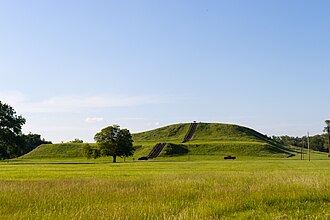
🌾Cahokia Mounds
The largest pre-Columbian settlement north of Mexico, with massive ceremonial earth mounds.
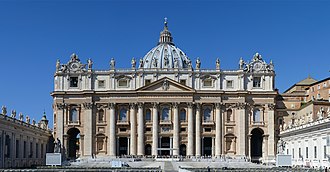
⛪Vatican City (St. Peter's Basilica)
The spiritual center of Roman Catholicism and home of the Pope.
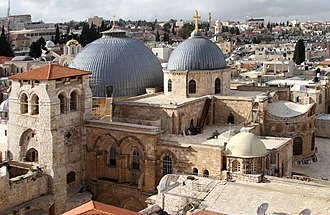
✝️Church of the Holy Sepulchre
The site where Jesus was crucified, buried, and resurrected.