
🌾 Cahokia Mounds
United States
About This Sacred Site
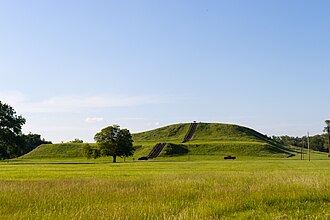
Cahokia Mounds, near present-day St. Louis, was the largest and most influential urban settlement of the Mississippian culture and the largest pre-Columbian settlement north of Mexico. At its peak around 1100 CE, Cahokia had a population of 10,000 to 20,000, rivaling contemporary London. Monks Mound, the largest earthen structure in the Americas, covers 14 acres and rises 100 feet. The site includes a series of wooden posts called 'Woodhenge' that functioned as a solar calendar. The city was a major ceremonial center, and its influence spread across much of eastern North America through trade and religion.
History & Origins
Established around 600 CE by the Mississippian culture near present-day Collinsville, Illinois, Cahokia Mounds became the largest pre-Columbian city north of Mexico by 1100 CE, with a population estimated between 10,000 and 20,000, surpassing contemporary London. Monks Mound, the central platform mound, rises approximately 100 feet tall and covers over 14 acres, making it the largest earthen structure of its kind in the Americas. The site includes over 80 mounds arranged around a grand plaza, with evidence of a complex social hierarchy and extensive trade networks. Cahokia was abandoned by the 14th century, possibly due to environmental degradation and social upheaval. Archaeological excavations since the 1920s have uncovered artifacts such as shell gorgets and copper plates, shedding light on Mississippian religious and political systems.
Spiritual Significance
The layout of the mounds aligns with celestial events, including solstices and equinoxes, indicating sophisticated astronomical knowledge integral to religious ceremonies. The annual Green Corn Ceremony, historically celebrated by descendant tribes, honors renewal and purification, reflecting Cahokia’s role as a ritual center. Ritual deposits found within the mounds include offerings of pottery, animal remains, and human burials, signifying beliefs in an afterlife and ancestor veneration. Pilgrims and modern Native American groups continue to hold sacred dances and prayers at the site, guided by oral traditions passed down through tribes such as the Osage and Illini. The Cahokia Woodhenge, a timber circle, functioned as a solar calendar, underscoring the theological importance of natural cycles in Mississippian spirituality.
Key Facts
- •Monks Mound is the largest pre-Columbian earthen structure in the Americas at 100 feet tall
- •Population reached 10,000-20,000 around 1100 CE, larger than London at the time
- •Woodhenge — a circle of wooden posts — served as a precise solar calendar
- •UNESCO World Heritage Site since 1982
- •Over 120 earthen mounds were built, of which 80 survive today
Location
Coordinates: 38.6554, -90.0619
Frequently Asked Questions
What religion is Cahokia Mounds associated with?▾
Cahokia Mounds is a Indigenous holy site located in United States. It was established c. 600 CE and is ranked #152 in our global directory of sacred sites.
When was Cahokia Mounds established?▾
Cahokia Mounds dates back to c. 600 CE. Monks Mound is the largest pre-Columbian earthen structure in the Americas at 100 feet tall
How many people visit Cahokia Mounds each year?▾
Cahokia Mounds receives approximately 300,000 visitors per year. Population reached 10,000-20,000 around 1100 CE, larger than London at the time
What is Cahokia Mounds known for?▾
The largest pre-Columbian settlement north of Mexico, with massive ceremonial earth mounds. Visitors come seeking ancestral connection, spiritual enlightenment, guidance, peace. Woodhenge — a circle of wooden posts — served as a precise solar calendar
Related Holy Sites
Sacred places connected by country, religion, and purpose
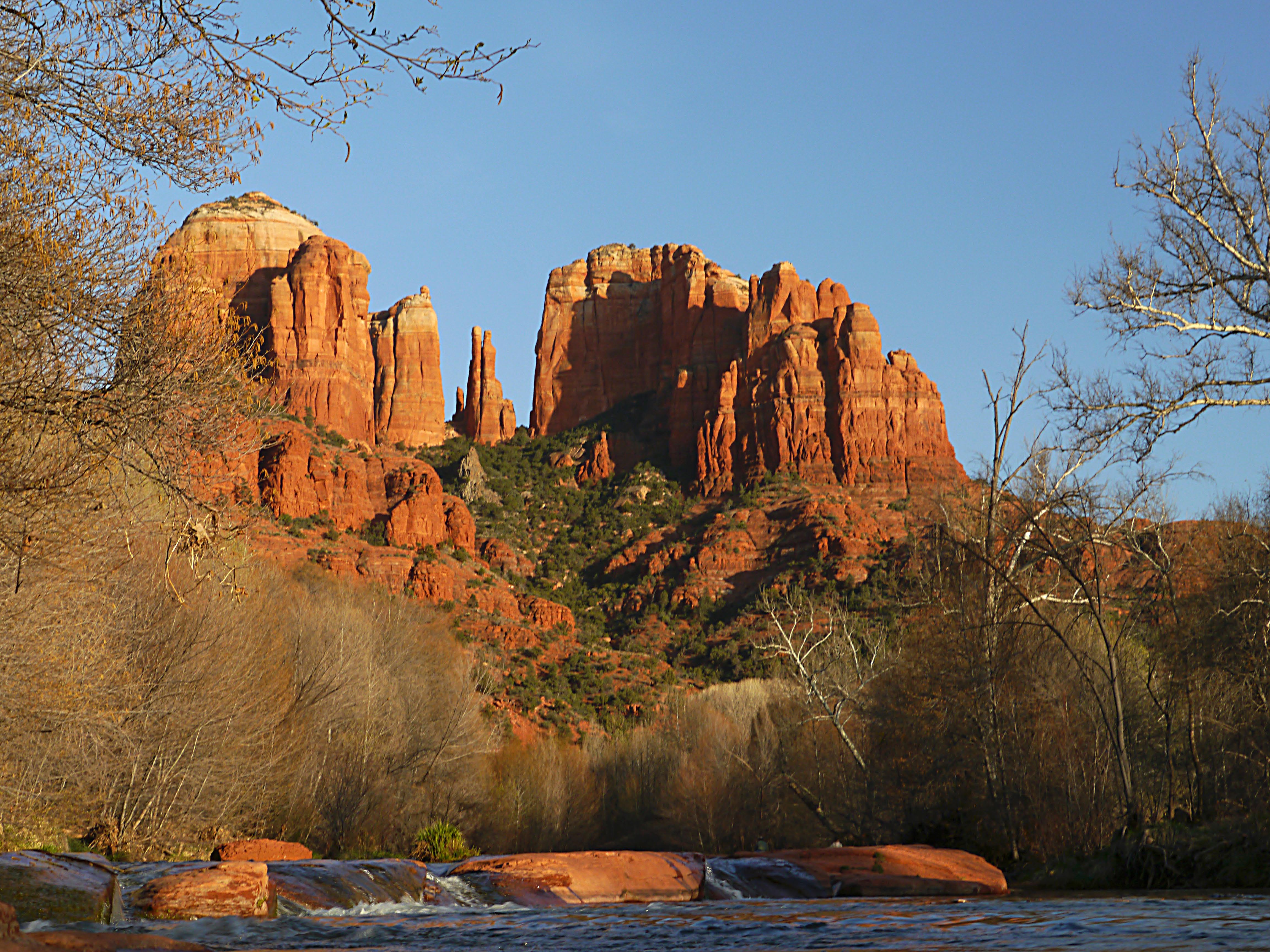
🌀Sedona (Vortex Sites)
Red rock formations believed to emit powerful spiritual energy vortexes.
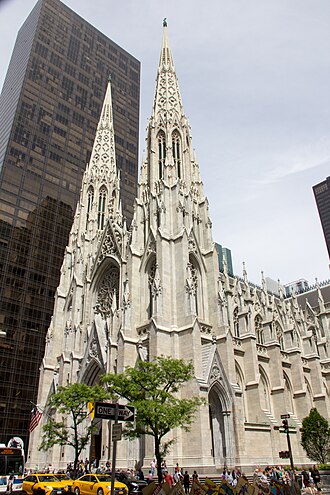
✝️St. Patrick's Cathedral (New York City)
America's most famous Catholic cathedral, a Gothic masterpiece on Fifth Avenue.
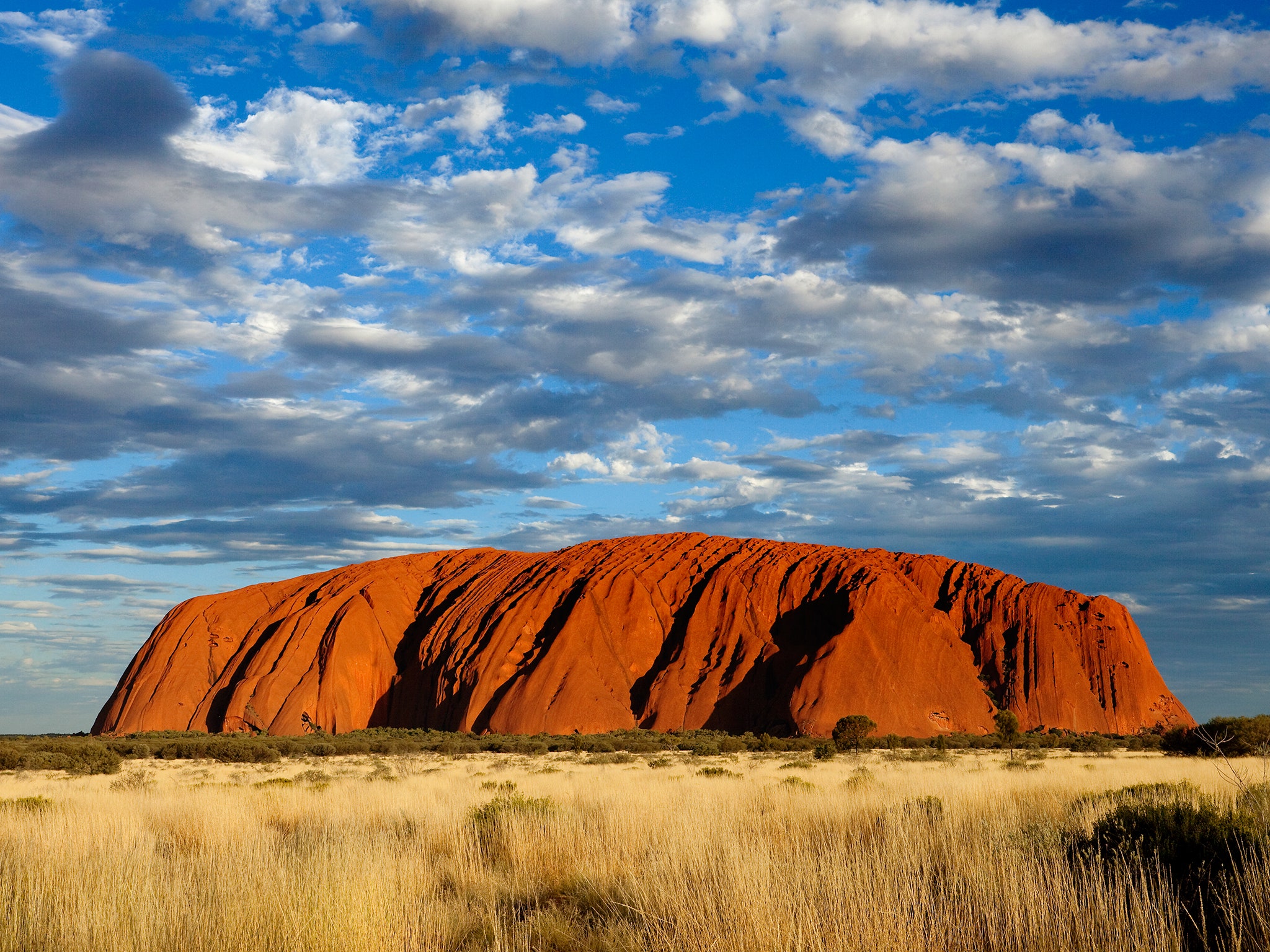
🪨Uluru (Ayers Rock)
A sacred monolith central to Aboriginal Australian creation stories.
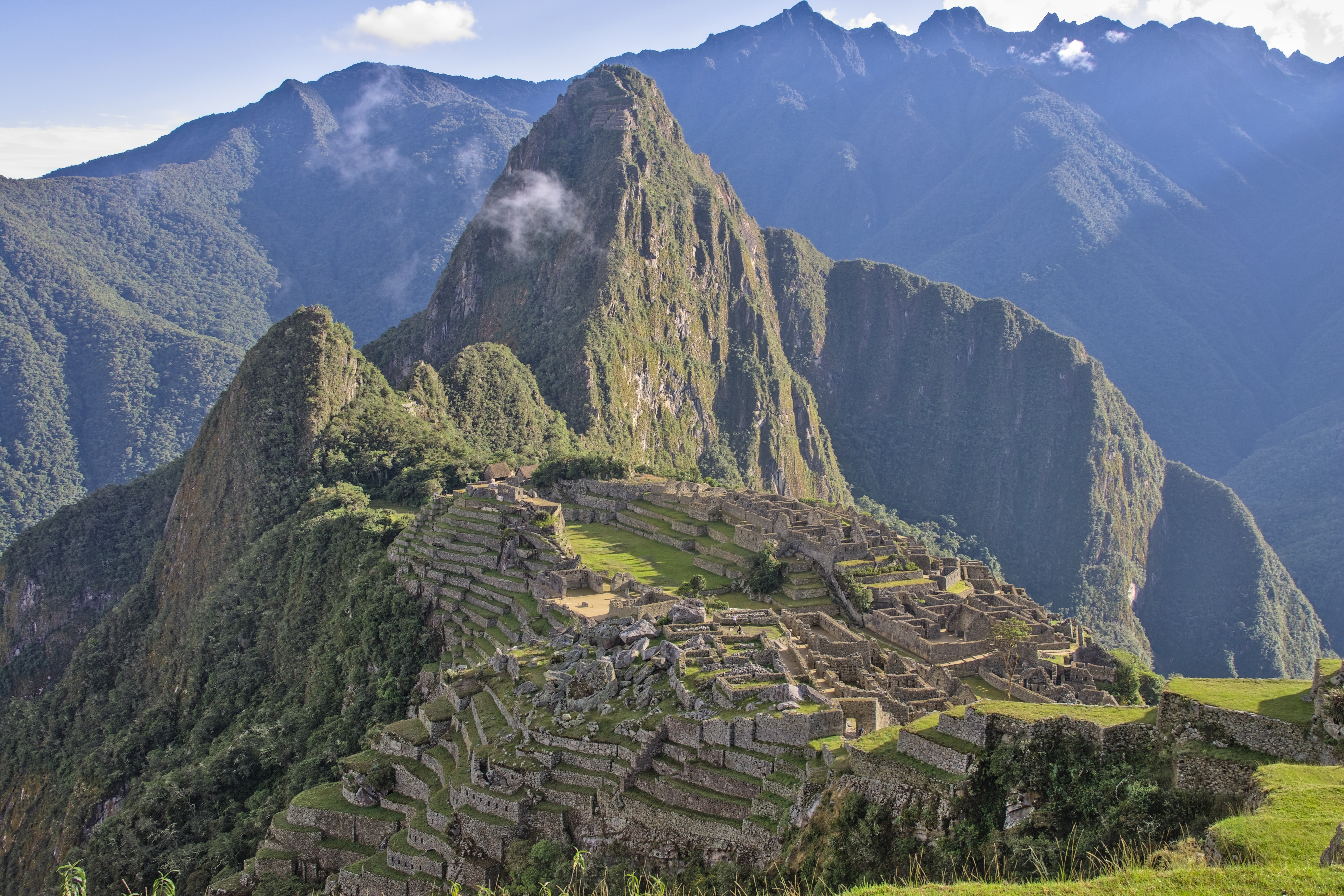
🏔️Machu Picchu
A sacred Inca citadel set high in the Andes, aligned with astronomical events.
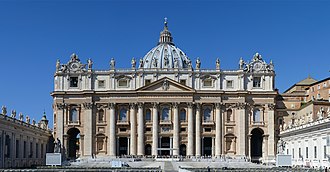
⛪Vatican City (St. Peter's Basilica)
The spiritual center of Roman Catholicism and home of the Pope.
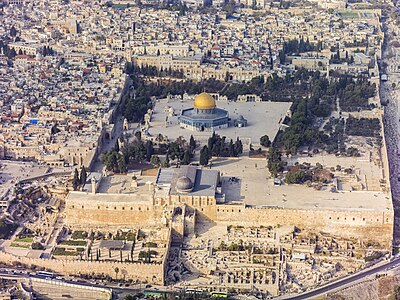
🕌Temple Mount / Al-Aqsa (Jerusalem)
Sacred to Judaism, Christianity, and Islam — the most contested holy site on Earth.

