

🏠 Umana Yana
Guyana
About This Sacred Site
The Umana Yana is a large conical thatched structure in Georgetown, built by the Wai-Wai indigenous people of Guyana using traditional construction methods. The original was built in 1972 for the Non-Aligned Movement conference, and the current structure was rebuilt in 2016. The benab (meeting house) represents the indigenous spiritual and communal traditions of Guyana's nine indigenous peoples, who make up about 10% of the population. The structure serves as a cultural center and meeting place, connecting Guyana's urban capital with its indigenous heritage.
History & Origins
The original Umana Yana was constructed in 1972 by the Wai-Wai indigenous people using traditional thatching and wooden pole techniques symbolizing communal craftsmanship. It was built as a meeting place for the Non-Aligned Movement conference held that year in Georgetown, reflecting indigenous cultural heritage on an international stage. The structure was destroyed by fire in 2014, prompting a reconstruction completed in 2016 that adhered to original architectural methods. The rebuilt Umana Yana spans approximately 55 meters in diameter and is made entirely from local materials such as manicole palm leaves and greenheart wood. It continues to serve as a venue for cultural events, government functions, and indigenous gatherings. The project was supported by the Guyanese government and indigenous organizations to preserve Wai-Wai building traditions. The site is located within the Botanical Gardens of Georgetown, enhancing its accessibility and visibility. It symbolizes the resilience and continuity of indigenous knowledge systems amid modernization pressures.
Spiritual Significance
The structure embodies Wai-Wai cosmology, representing the communal hearth where ancestral spirits are honored through ritual gatherings. Indigenous ceremonies conducted here include traditional dances and storytelling sessions that transmit oral histories and spiritual beliefs. The Umana Yana hosts the annual Indigenous Heritage Month celebrations, featuring prayer offerings to nature deities, emphasizing ecological stewardship. It functions as a spiritual center for inter-tribal dialogue, facilitating the exchange of ritual practices like the drinking of cassava beer in purification rites. The building’s circular design aligns with indigenous concepts of unity and cyclic time, which are reflected in the ceremonial calendar observed within. Elders lead rituals invoking spirits from the Guyanese rainforest, which surround the site, reinforcing connections between land and spirituality. The site also accommodates workshops on shamanistic practices and plant-based healing traditions rooted in Wai-Wai shamanic scriptures. The Umana Yana's role extends beyond physical shelter, acting as a living repository of indigenous sacred knowledge.
Key Facts
- •Built by the Wai-Wai indigenous people using traditional methods
- •The original was constructed in 1972 for the Non-Aligned Movement
- •Rebuilt in 2016 after the previous structure deteriorated
- •Represents the traditions of Guyana's nine indigenous peoples
- •Functions as a cultural center and event venue in Georgetown
Location
Coordinates: 6.8150, -58.1600
Frequently Asked Questions
What religion is Umana Yana associated with?▾
Umana Yana is a Indigenous holy site located in Guyana. It was established 1972 (original); 2016 (rebuilt) and is ranked #973 in our global directory of sacred sites.
When was Umana Yana established?▾
Umana Yana dates back to 1972 (original); 2016 (rebuilt). Built by the Wai-Wai indigenous people using traditional methods
How many people visit Umana Yana each year?▾
Umana Yana receives approximately 30,000 visitors per year. The original was constructed in 1972 for the Non-Aligned Movement
What is Umana Yana known for?▾
A massive thatched benab built by Wai-Wai indigenous people using traditional methods. Visitors come seeking ancestral connection, peace, spiritual enlightenment. Rebuilt in 2016 after the previous structure deteriorated
Related Holy Sites
Sacred places connected by country, religion, and purpose

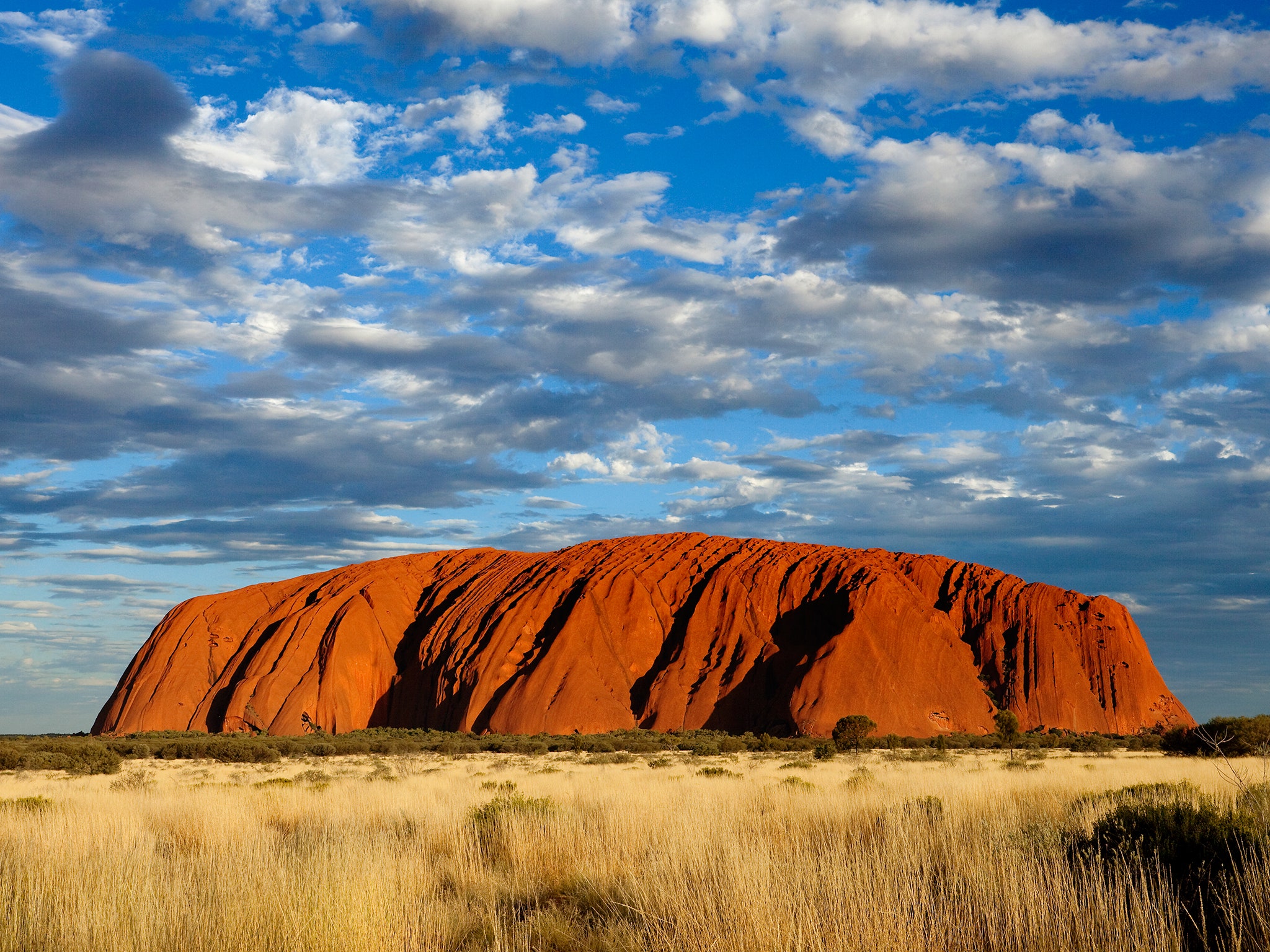
🪨Uluru (Ayers Rock)
A sacred monolith central to Aboriginal Australian creation stories.
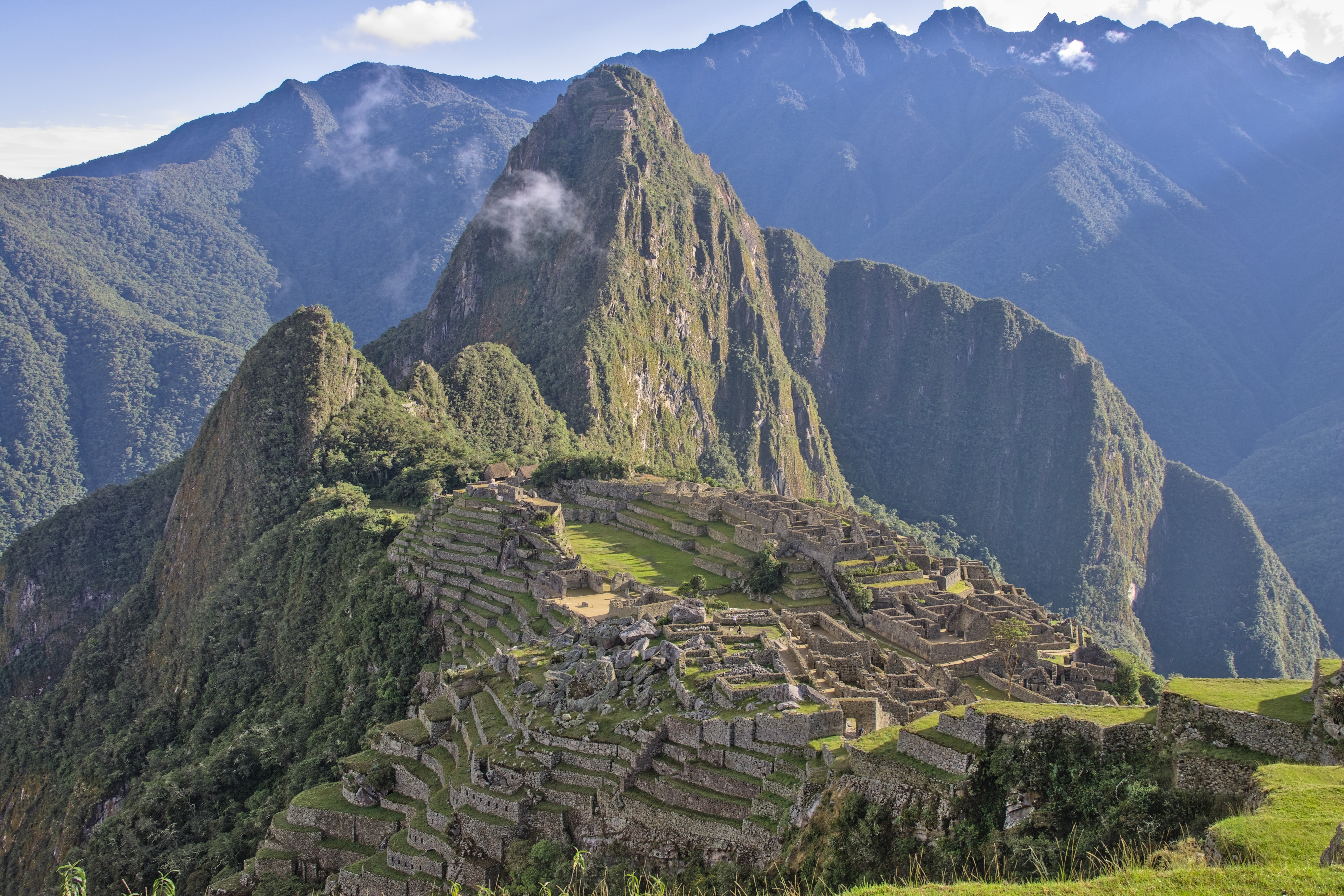
🏔️Machu Picchu
A sacred Inca citadel set high in the Andes, aligned with astronomical events.
🕌Temple Mount / Al-Aqsa (Jerusalem)
Sacred to Judaism, Christianity, and Islam — the most contested holy site on Earth.
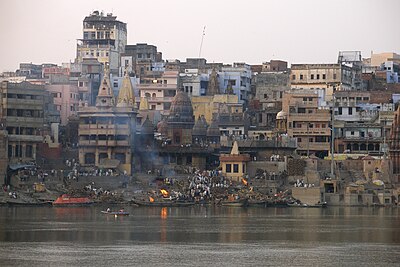
🙏Varanasi (Kashi Vishwanath Temple)
The holiest city in Hinduism, where the Ganges River purifies the soul.

