
🏠 Umana Yana
Guyana
About This Sacred Site
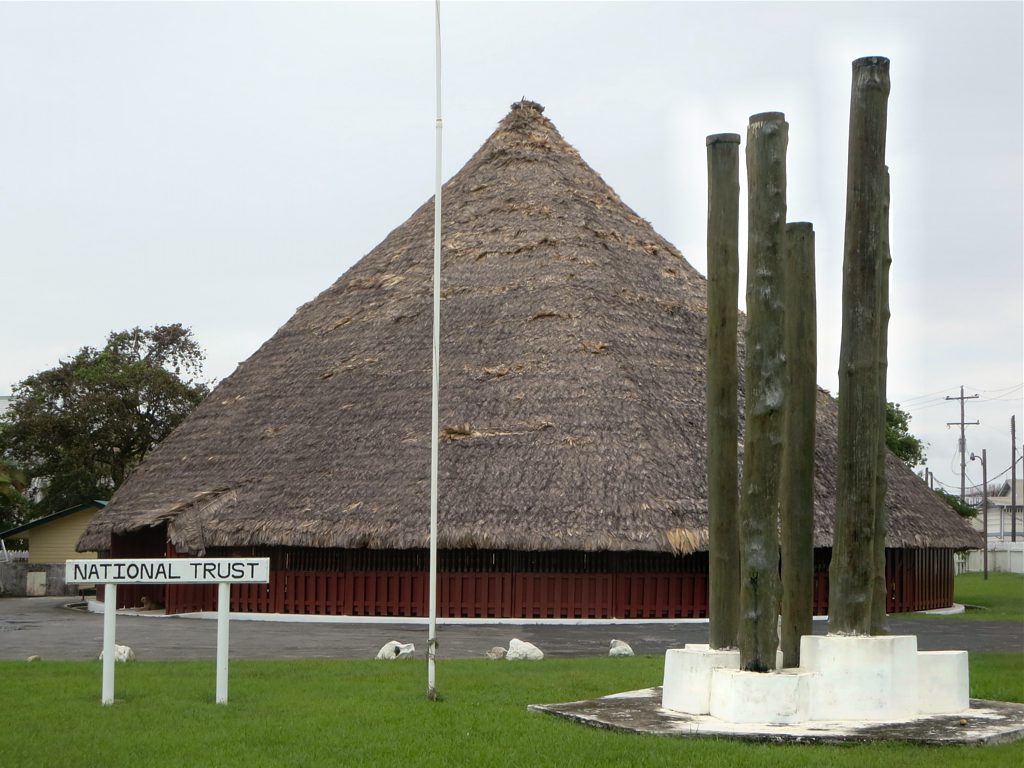
The Umana Yana is a striking conical thatched structure located in Georgetown, Guyana, constructed in 1972 using traditional Wai-Wai Amerindian building techniques. Serving as a cultural and meeting center, it symbolizes indigenous heritage and unity. The large pavilion, built without nails using natural materials like palm leaves and wooden poles, hosts official functions, cultural events, and tourist visits. The name "Umana Yana" means "Meeting Place of the People," reflecting its role as a bridge between Guyana’s indigenous past and national identity.
History & Origins
Constructed in 1972, the Umana Yana was built by the Wai-Wai indigenous people using traditional materials such as thatched palm leaves and manicole wood, reflecting indigenous architectural practices. The structure was commissioned for the Non-Aligned Movement conference held in Georgetown that year, symbolizing indigenous participation in international diplomacy. Its design is based on the traditional benab style, a communal living and meeting house, measuring approximately 18 meters in diameter with a conical roof rising over 10 meters. The building has undergone preservation efforts to maintain its organic materials against tropical weathering. It remains managed by the National Trust of Guyana and serves as a cultural center for indigenous peoples, hosting events that celebrate Amerindian heritage and political advocacy.
Spiritual Significance
The term "Umana Yana" translates to "meeting place of the people" in the Wai-Wai language, underscoring its function as a spiritual and communal gathering site. Indigenous ceremonies performed here include rituals to honor the Earth Mother and ancestral spirits, often involving offerings of cassava bread and tobacco. The structure's design facilitates communal storytelling and the transmission of oral traditions central to Amerindian cosmology. Seasonal festivals marking the planting and harvesting cycles are observed within its walls, aligning with indigenous ecological knowledge. Spiritual leaders and shamans use the space for healing rituals and invoking guidance from natural and supernatural forces. The site acts as a hub for cultural preservation, reinforcing indigenous identity and the sacred relationship between people and environment.
Key Facts
- •The name means 'meeting place of the people' in the Wai-Wai language
- •Originally built in 1972 for the Non-Aligned Movement conference
- •Constructed using traditional Wai-Wai building techniques without nails
- •Rebuilt in 2016 after the original structure deteriorated
- •Stands as a symbol of Guyana's nine indigenous nations and their traditions
Location
Coordinates: 6.8126, -58.1613
Frequently Asked Questions
What religion is Umana Yana associated with?▾
Umana Yana is a Indigenous holy site located in Guyana. It was established 1972 and is ranked #972 in our global directory of sacred sites.
When was Umana Yana established?▾
Umana Yana dates back to 1972. The name means 'meeting place of the people' in the Wai-Wai language
How many people visit Umana Yana each year?▾
Umana Yana receives approximately 30,000 visitors per year. Originally built in 1972 for the Non-Aligned Movement conference
What is Umana Yana known for?▾
A traditional Amerindian palm-thatched meeting hall symbolizing Guyana's indigenous spiritual heritage. Visitors come seeking ancestral connection, peace, spiritual enlightenment. Constructed using traditional Wai-Wai building techniques without nails
Related Holy Sites
Sacred places connected by country, religion, and purpose

🪨Uluru (Ayers Rock)
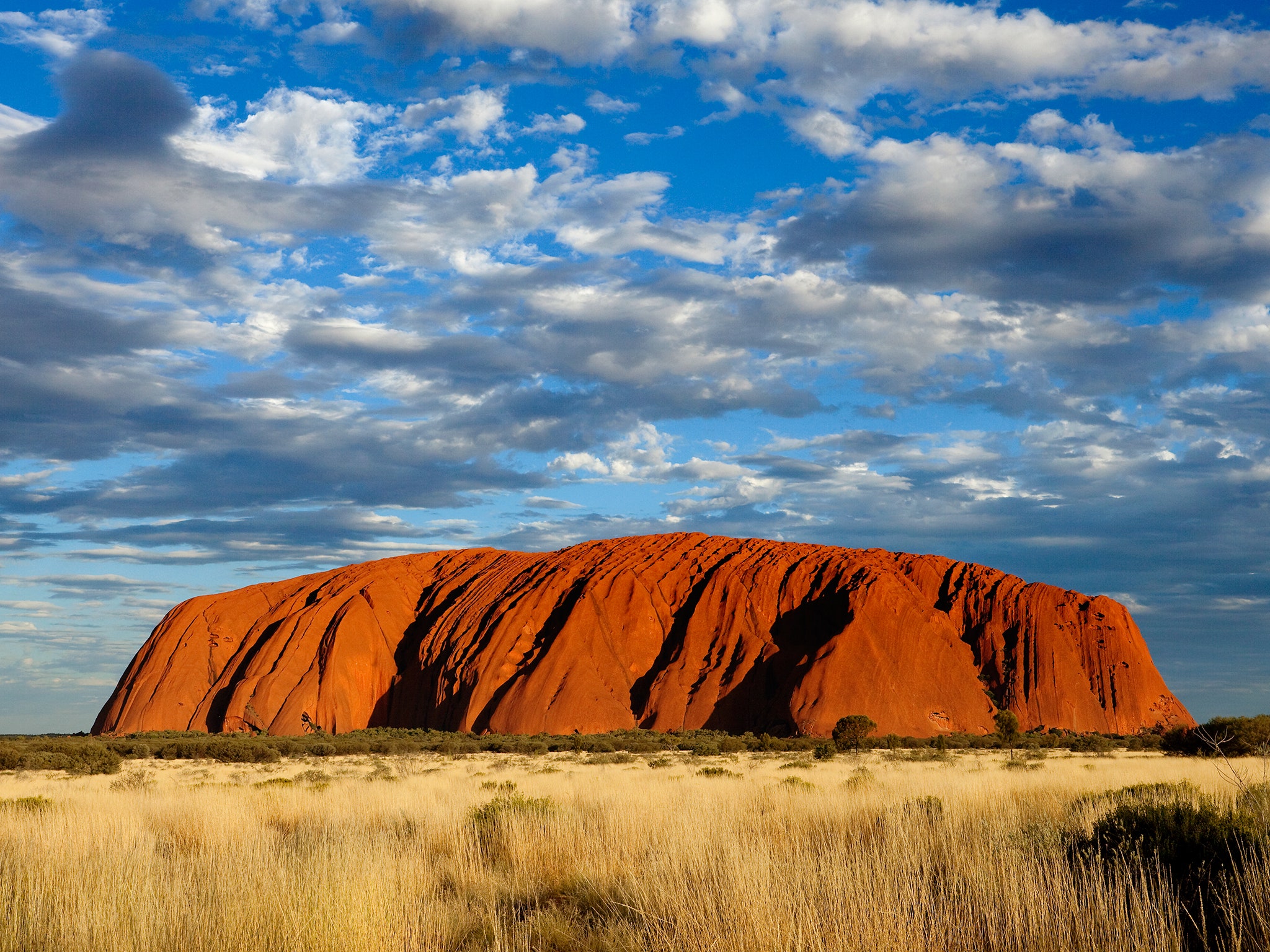
A sacred monolith central to Aboriginal Australian creation stories.
🏔️Machu Picchu
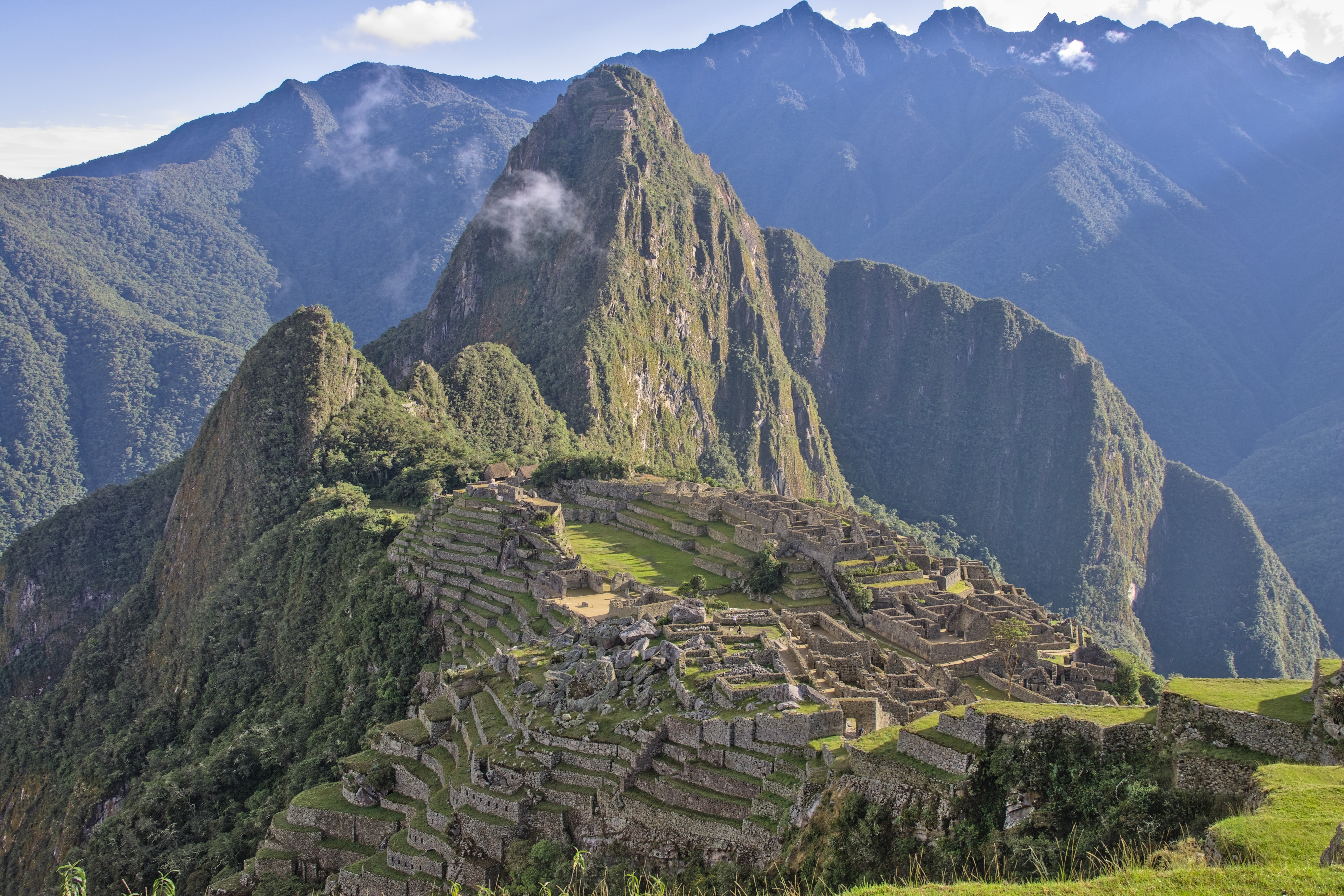
A sacred Inca citadel set high in the Andes, aligned with astronomical events.
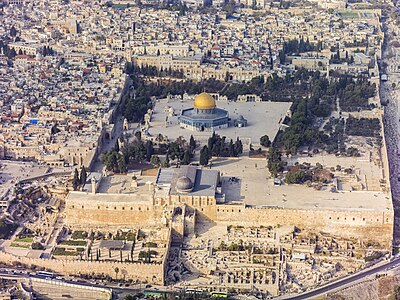
🕌Temple Mount / Al-Aqsa (Jerusalem)
Sacred to Judaism, Christianity, and Islam — the most contested holy site on Earth.
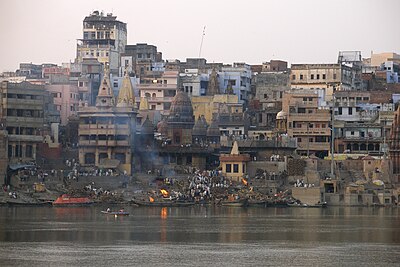
🙏Varanasi (Kashi Vishwanath Temple)
The holiest city in Hinduism, where the Ganges River purifies the soul.

