🌅 Uluwatu Temple (Pura Luhur Uluwatu)
Indonesia
About This Sacred Site
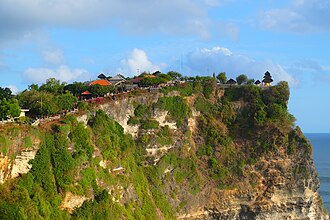
Pura Luhur Uluwatu is one of Bali's six key directional temples, spectacularly positioned atop a 70-meter cliff on the southwestern tip of the Bukit Peninsula. The temple is one of Bali's spiritual pillars, believed to protect the island from evil sea spirits. Founded in the 11th century by the Javanese sage Mpu Kuturan, it was later expanded by the priest Nirartha in the 16th century. The temple is famous for its nightly Kecak fire dance performances at sunset on the cliff edge, creating one of Bali's most dramatic cultural experiences. Long-tailed macaques inhabit the temple grounds.
Spiritual Significance
Perched 70 meters above the Indian Ocean on a dramatic cliff edge, the temple is one of Bali’s six directional temples (Sad Kahyangan Jagad) tasked with protecting the island from spiritual harm in the southwest direction. Founded in the 11th century by the Javanese sage Mpu Kuturan, Uluwatu Temple is dedicated to Sang Hyang Widhi Wasa in his manifestation as Rudra, the god of storms and the sea. The temple is renowned for the Kecak dance performances held at sunset, which dramatize episodes from the Ramayana and serve as both entertainment and ritual invocation of divine protection. Pilgrims engage in meditation and prayer overlooking the ocean, engaging in offerings of flowers and incense to appease the sea spirits. The temple’s cliff-top location is associated with the Balinese cosmology of mountain and sea elements, representing a spiritual axis connecting the earthly realm with the heavens. The annual Piodalan festival, observed every 210 days, involves complex rites conducted by high priests to maintain spiritual balance and invoke blessings for the island’s safety.
Key Facts
- •Perched 70 meters above the Indian Ocean on a sheer cliff face
- •One of Bali's six key directional temples protecting the island
- •Founded in the 11th century by Javanese sage Mpu Kuturan
- •Famous for nightly Kecak fire dance performances at sunset
- •Home to a troop of long-tailed macaques considered guardians of the temple
Location
Coordinates: -8.8293, 115.0849
Frequently Asked Questions
What religion is Uluwatu Temple (Pura Luhur Uluwatu) associated with?▾
Uluwatu Temple (Pura Luhur Uluwatu) is a Hinduism holy site located in Indonesia. It was established c. 11th century CE and is ranked #258 in our global directory of sacred sites.
When was Uluwatu Temple (Pura Luhur Uluwatu) established?▾
Uluwatu Temple (Pura Luhur Uluwatu) dates back to c. 11th century CE. Perched 70 meters above the Indian Ocean on a sheer cliff face
How many people visit Uluwatu Temple (Pura Luhur Uluwatu) each year?▾
Uluwatu Temple (Pura Luhur Uluwatu) receives approximately 2+ million visitors per year. One of Bali's six key directional temples protecting the island
What is Uluwatu Temple (Pura Luhur Uluwatu) known for?▾
A clifftop temple 70 meters above the Indian Ocean on Bali's southwestern tip. Visitors come seeking protection, purification, blessings, spiritual enlightenment. Founded in the 11th century by Javanese sage Mpu Kuturan
Related Holy Sites
Sacred places connected by country, religion, and purpose
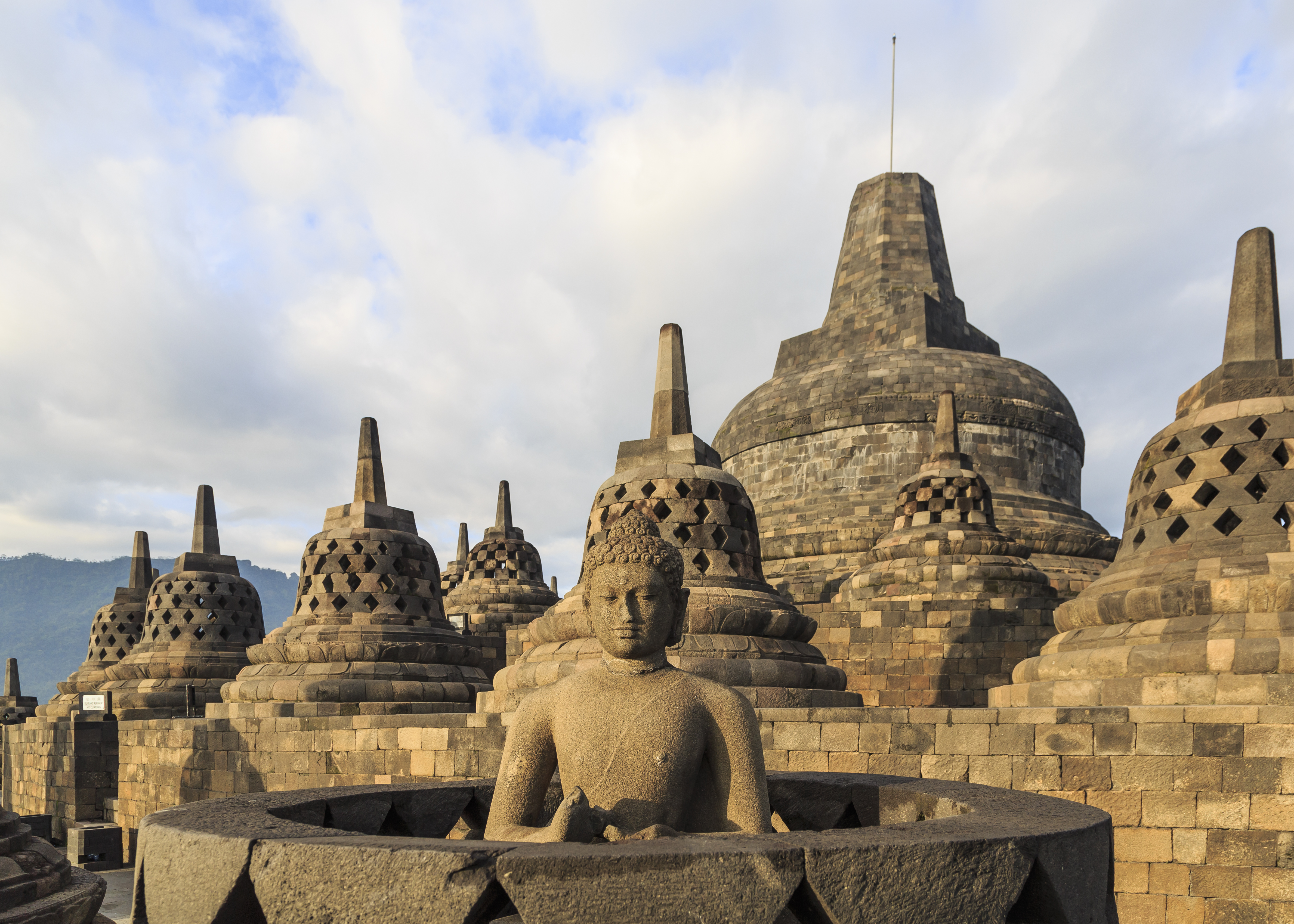
🪷Borobudur
The world's largest Buddhist temple, with 2,672 relief panels.
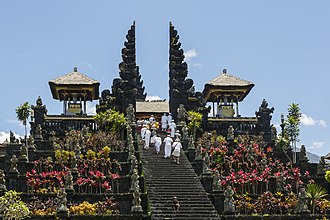
🏔️Pura Besakih (Mother Temple of Bali)
The holiest and largest Hindu temple complex in Bali, on the slopes of Mount Agung.
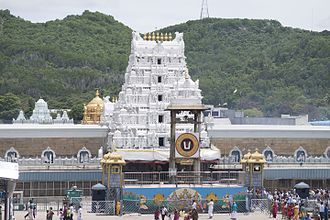
🛕Tirupati (Tirumala Venkateswara Temple)
The richest and most visited Hindu temple in the world.