
⛰️ Tsodilo Hills
Botswana
About This Sacred Site
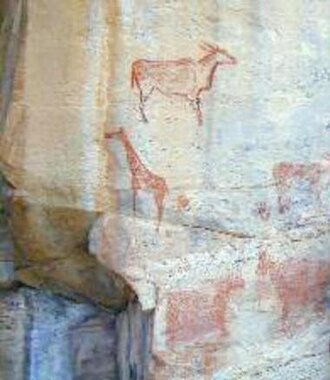
The Tsodilo Hills, a UNESCO World Heritage Site known as the 'Louvre of the Desert,' rise dramatically from the flat Kalahari landscape in northwestern Botswana. The four main hills contain over 4,500 rock paintings spanning 100,000 years, making them one of the highest concentrations of rock art in the world. The San people regard Tsodilo as a place of great spiritual power — the resting place of ancestral spirits and the site where the gods first lowered humanity to Earth. Visitors report a palpable spiritual energy, and the hills remain an active site of San prayer and ritual.
History & Origins
The Tsodilo Hills in northwestern Botswana are known as the "Louvre of the Desert" due to their extraordinary concentration of rock art spanning approximately 100,000 years. These hills have been sacred to the San people, serving as a spiritual and ritual center, with paintings depicting animals, human figures, and mythological scenes. The site’s significance extends beyond art, encompassing burial grounds and ceremonial sites that illustrate a continuous human presence. Designated a UNESCO World Heritage Site in 2001, Tsodilo Hills is a profound testament to human cultural evolution and indigenous spirituality in the Kalahari.
Spiritual Significance
Recognized as a UNESCO World Heritage Site, the hills encompass over 4,500 rock paintings that document approximately 100,000 years of human spiritual activity, making it one of the oldest continuous cultural landscapes. Indigenous San communities regard the site as home to the “Ancient Ones,” and conduct initiation ceremonies in caves adorned with paintings, including depictions of eland antelope, a symbol of fertility and spiritual potency. Annual rainmaking rituals are performed at specific painted sites, invoking ancestral spirits through song and dance, as prescribed in oral traditions maintained by local shamans. The hills are often called the “Louvre of the Desert” due to the artistic richness of the images, which include hunting scenes and mythical creatures linked to the Ju/'hoansi cosmology. Pilgrimage routes converge on the Main Hill, where rituals involve offerings of tobacco and ostrich eggshell beads as signs of respect and communication with the spirit world.
Key Facts
- •UNESCO World Heritage Site with over 4,500 rock paintings
- •The rock art spans approximately 100,000 years of human activity
- •Known as the 'Louvre of the Desert' for its artistic richness
- •The San believe it is where the gods first lowered humanity to Earth
- •The four hills are called Male, Female, Child, and the unnamed North Hill
Location
Coordinates: -18.7500, 21.7333
Frequently Asked Questions
What religion is Tsodilo Hills associated with?▾
Tsodilo Hills is a Indigenous holy site located in Botswana. It was established c. 100,000 years ago and is ranked #804 in our global directory of sacred sites.
When was Tsodilo Hills established?▾
Tsodilo Hills dates back to c. 100,000 years ago. UNESCO World Heritage Site with over 4,500 rock paintings
How many people visit Tsodilo Hills each year?▾
Tsodilo Hills receives approximately 15,000 visitors per year. The rock art spans approximately 100,000 years of human activity
What is Tsodilo Hills known for?▾
The 'Louvre of the Desert,' a UNESCO site with 4,500 rock paintings. Visitors come seeking ancestral connection, healing, spiritual enlightenment. Known as the 'Louvre of the Desert' for its artistic richness
Related Holy Sites
Sacred places connected by country, religion, and purpose
⛰️Mokolodi Sacred Hills
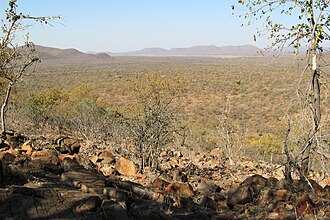
Sacred hills near Gaborone with traditional ceremonial significance.
🕳️Gcwihaba Caves
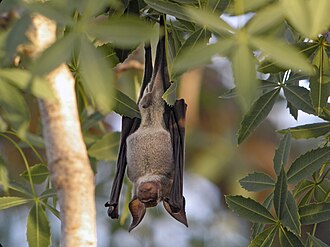
Ancient caves in the Kalahari revered by the San as a sacred spirit world.
🪨Uluru (Ayers Rock)
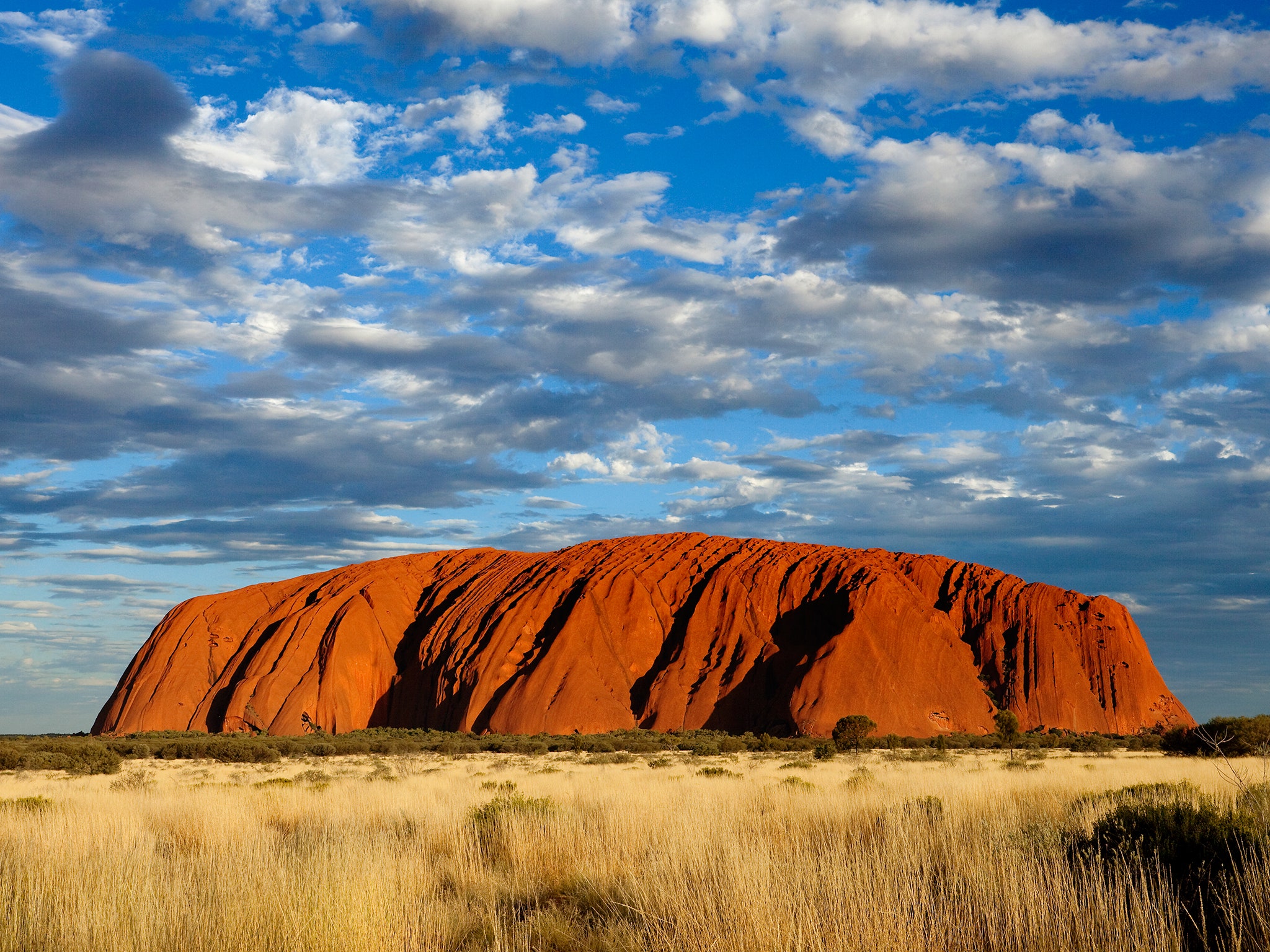
A sacred monolith central to Aboriginal Australian creation stories.
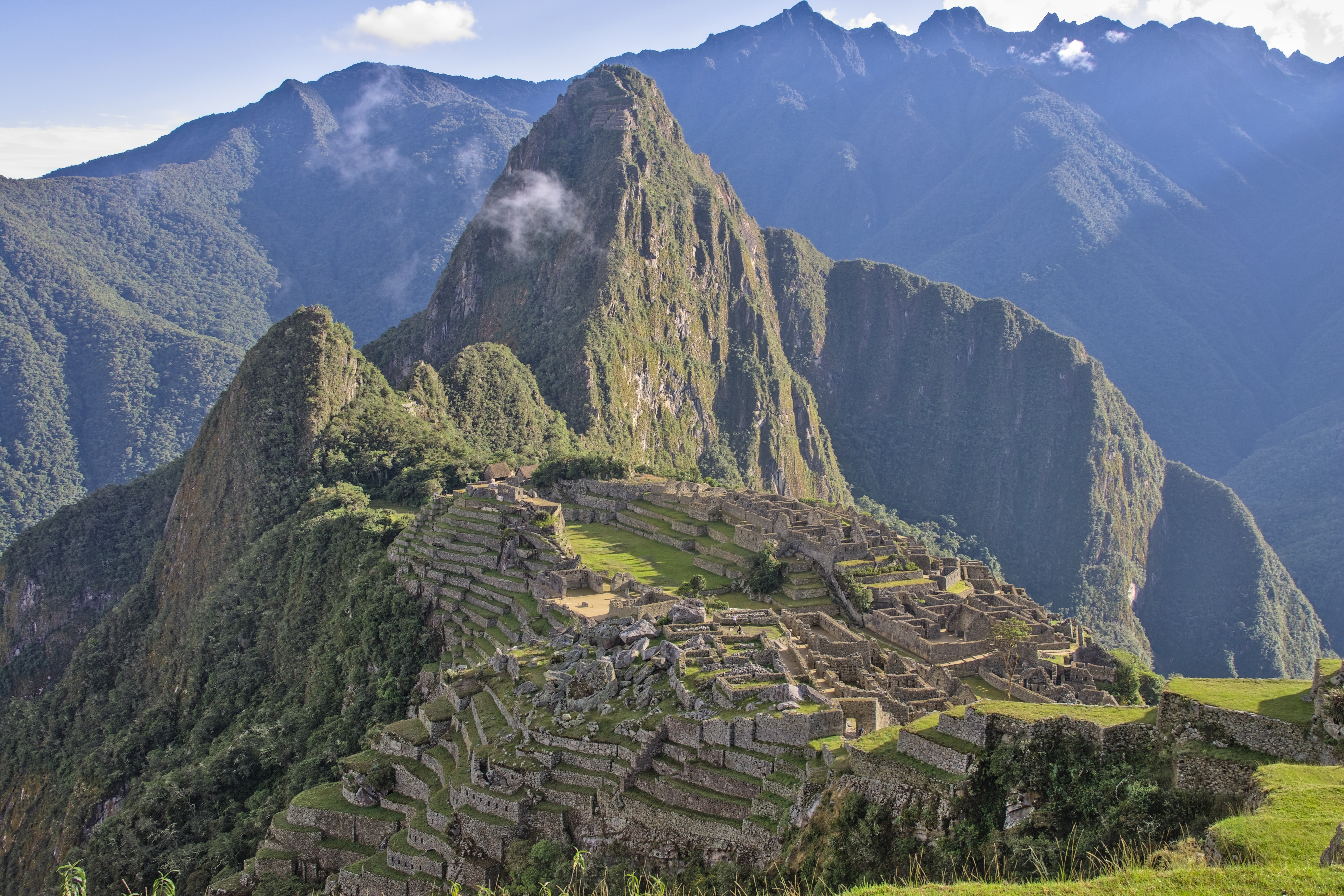
🏔️Machu Picchu
A sacred Inca citadel set high in the Andes, aligned with astronomical events.
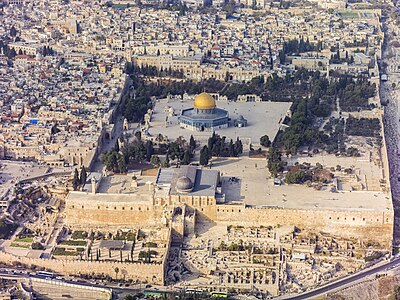
🕌Temple Mount / Al-Aqsa (Jerusalem)
Sacred to Judaism, Christianity, and Islam — the most contested holy site on Earth.
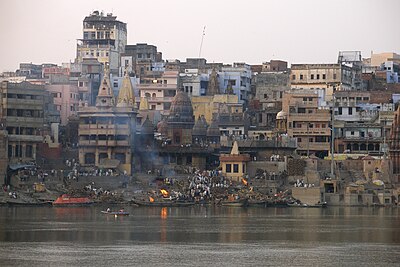
🙏Varanasi (Kashi Vishwanath Temple)
The holiest city in Hinduism, where the Ganges River purifies the soul.

