
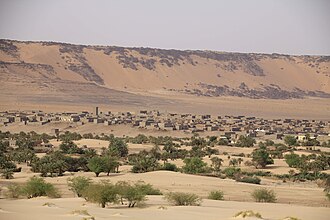
🏛️ Tichitt Ancient City
Mauritania
About This Sacred Site
Tichitt is a UNESCO World Heritage Site and one of the oldest stone-built settlements in West Africa, with evidence of habitation dating back to 2000 BCE. The town became a center of Islamic learning during the medieval period, with mosques and libraries that contributed to the spread of Islam across the western Sahara. The ancient stone architecture of the settlement preserves both pre-Islamic and Islamic cultural layers, offering insight into the spiritual evolution of Saharan peoples over millennia. Despite its extreme remoteness, Tichitt's scholarly and spiritual legacy continues to attract researchers and pilgrims.
History & Origins
Tichitt Ancient City in Mauritania dates back to circa 2000 BCE, making it one of West Africa's oldest known settlements. It is renowned for its stone-built architecture and is a UNESCO World Heritage Site. Archaeological evidence reveals Tichitt as a center of early urbanism and trade, with complex social organization and links to trans-Saharan routes. The city flourished over centuries, developing sophisticated water management and agricultural techniques in the arid environment. Its decline around the first millennium CE is attributed to environmental changes and shifting trade networks. The site remains crucial for understanding the emergence of complex societies in the Sahel and the early spread of Islam in the region.
Spiritual Significance
With habitation dating back to 2000 BCE, this UNESCO World Heritage site evolved into a medieval center of Islamic learning, where early West African Muslim scholars integrated Quranic teachings with local traditions. The stone settlements, among the oldest in West Africa, hosted madrasas that focused on Tafsir and Hadith, influencing the spread of Islam across the Sahel. Archaeological evidence indicates ritual use of circular stone enclosures for communal prayers and religious gatherings coinciding with the Islamic lunar calendar, particularly during Ramadan. The site’s mosque ruins show early adoption of qibla alignment toward Mecca, signifying theological adherence. Pilgrims historically traveled from surrounding regions to attend lessons on the Sunnah and to participate in the annual Ashura commemorations, reflecting the community's engagement with broader Islamic ritual life. The preservation of Arabic manuscripts on Islamic jurisprudence at Tichitt underscores its role as a scholarly hub connecting North African and sub-Saharan Islamic thought.
Key Facts
- •UNESCO World Heritage Site with habitation dating to 2000 BCE
- •One of the oldest stone settlements in West Africa
- •Became a center of Islamic learning in the medieval period
- •The stone architecture preserves pre-Islamic and Islamic cultural layers
- •One of the most remote inhabited places in the Sahara
Location
Coordinates: 18.4500, -9.5000
Frequently Asked Questions
What religion is Tichitt Ancient City associated with?▾
Tichitt Ancient City is a Islam holy site located in Mauritania. It was established c. 2000 BCE and is ranked #117 in our global directory of sacred sites.
When was Tichitt Ancient City established?▾
Tichitt Ancient City dates back to c. 2000 BCE. UNESCO World Heritage Site with habitation dating to 2000 BCE
How many people visit Tichitt Ancient City each year?▾
Tichitt Ancient City receives approximately 2,000 visitors per year. One of the oldest stone settlements in West Africa
What is Tichitt Ancient City known for?▾
One of the oldest stone settlements in West Africa with ancient Islamic heritage. Visitors come seeking ancestral connection, spiritual enlightenment, guidance. Became a center of Islamic learning in the medieval period
Related Holy Sites
Sacred places connected by country, religion, and purpose
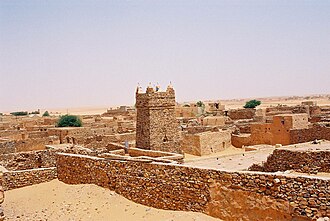
🕌Chinguetti Old Mosque
A UNESCO World Heritage desert mosque and Islam's legendary 'seventh holy city.'
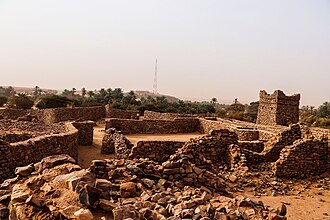
🏜️Ouadane
A UNESCO-listed ancient Saharan trading city and center of Islamic learning.

⛪Vatican City (St. Peter's Basilica)
The spiritual center of Roman Catholicism and home of the Pope.

🕌Temple Mount / Al-Aqsa (Jerusalem)
Sacred to Judaism, Christianity, and Islam — the most contested holy site on Earth.

